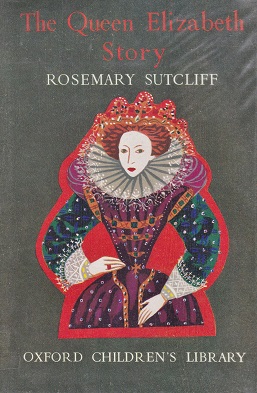
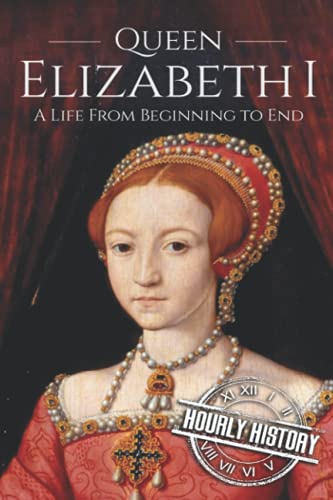
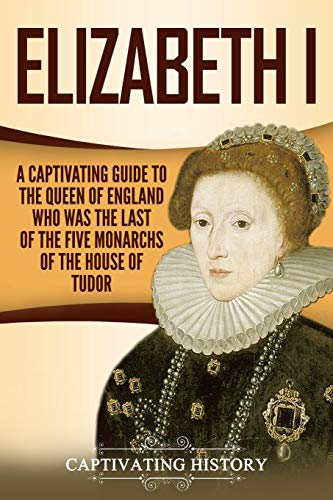
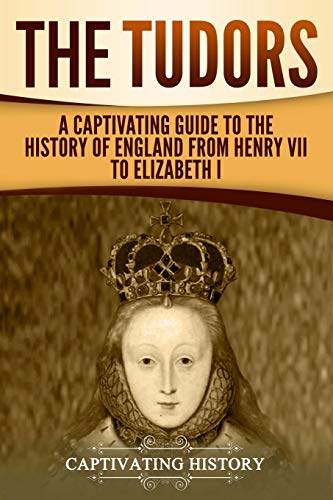
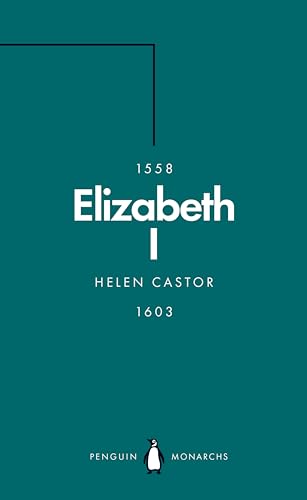
Elizabeth I was queen of England and Ireland from 1558 to 1603, the last monarch of the Tudor dynasty. The daughter of Henry VIII and Anne Boleyn, she inherited a kingdom divided by religious change and facing difficult questions of succession, foreign alliances and royal authority.
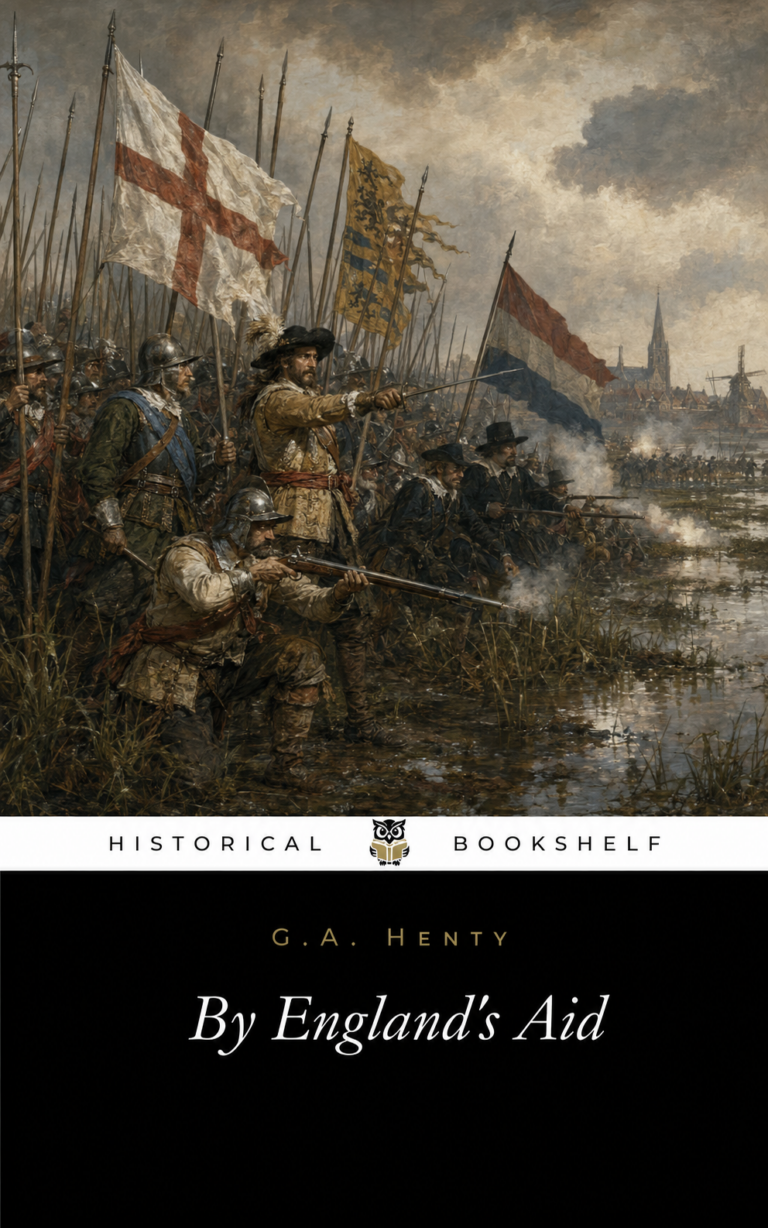
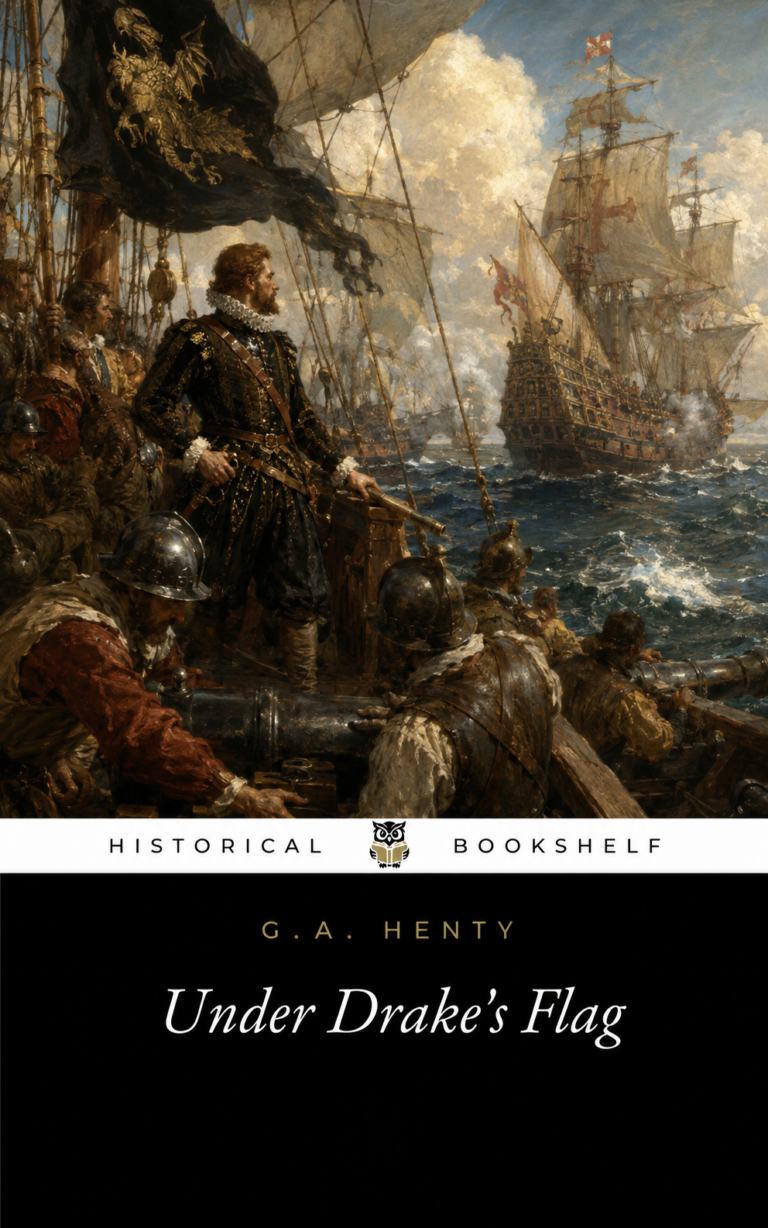
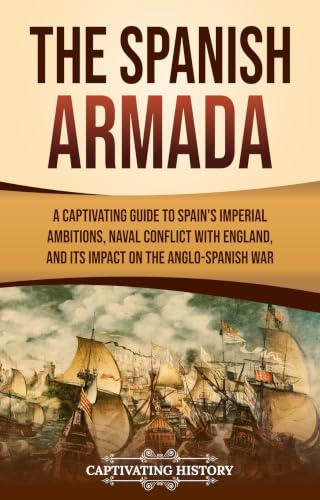
Her government established a durable Protestant religious settlement while navigating conflict with Catholic powers and domestic plots centred on Mary, Queen of Scots. The defeat of the Spanish Armada in 1588 became the most celebrated military episode of the reign, which also saw overseas expansion and an extraordinary flowering of English drama and literature. Elizabeth died unmarried and was succeeded by James VI of Scotland as James I of England.
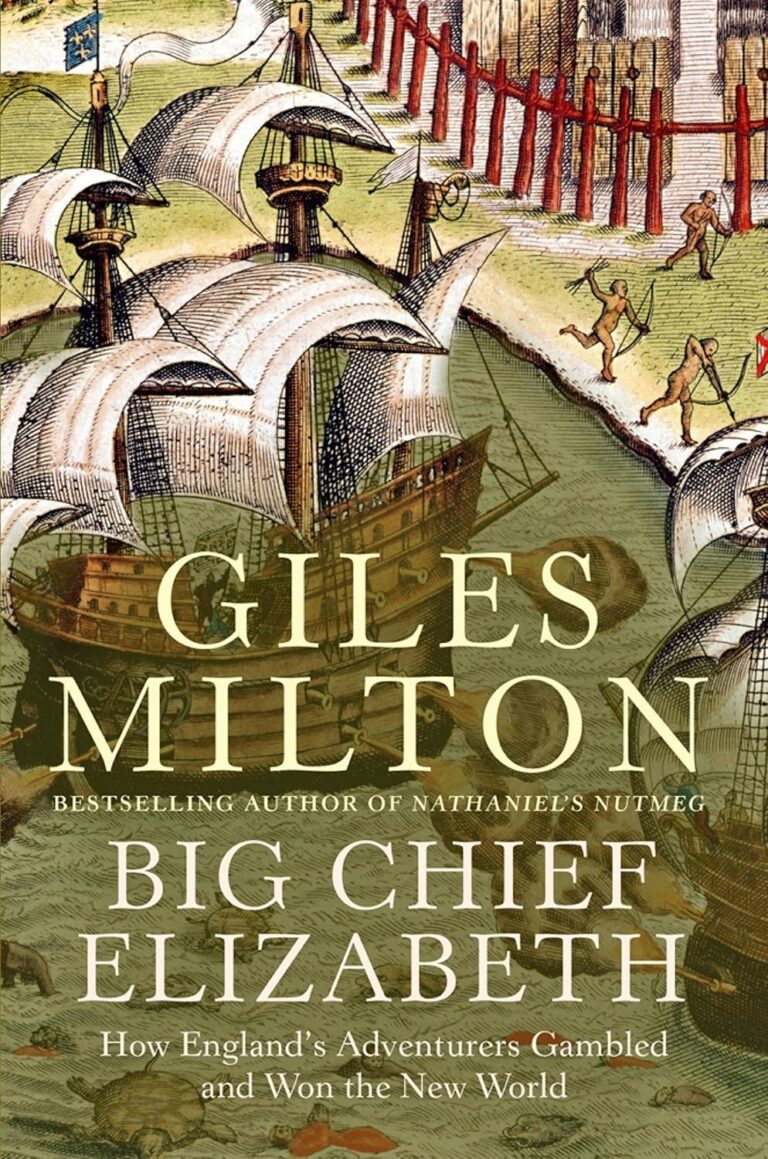
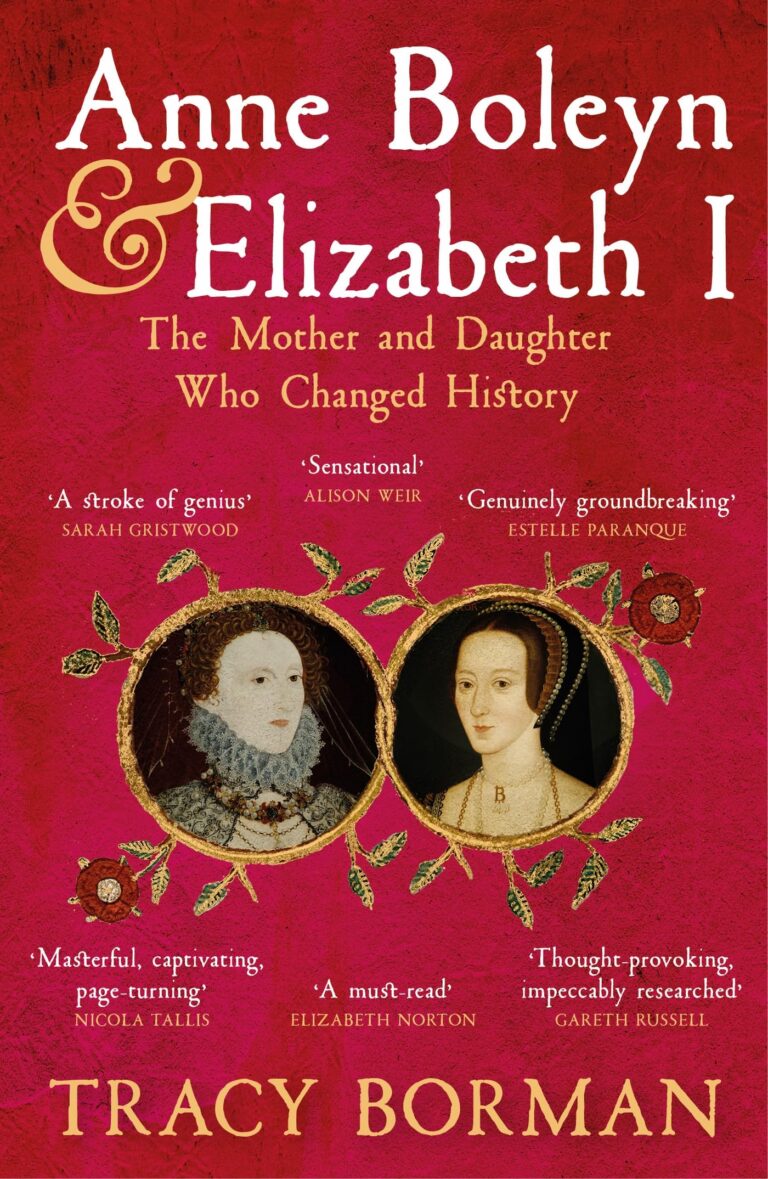
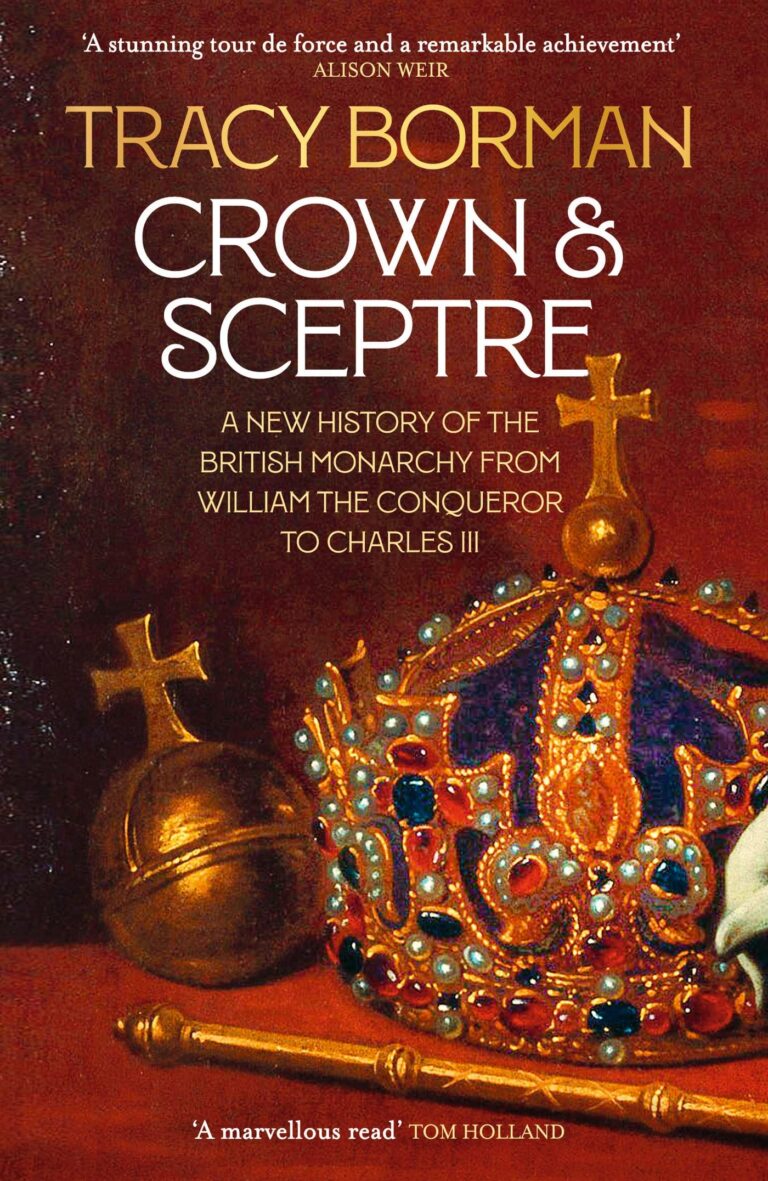
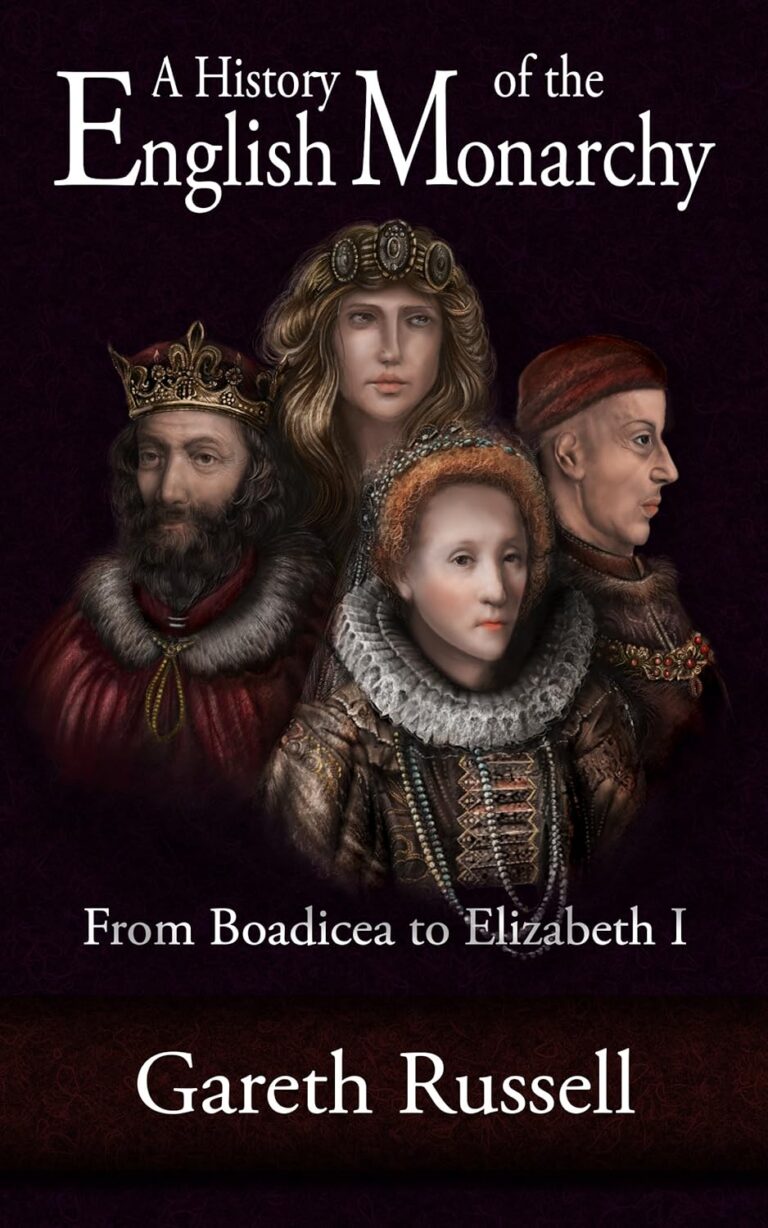
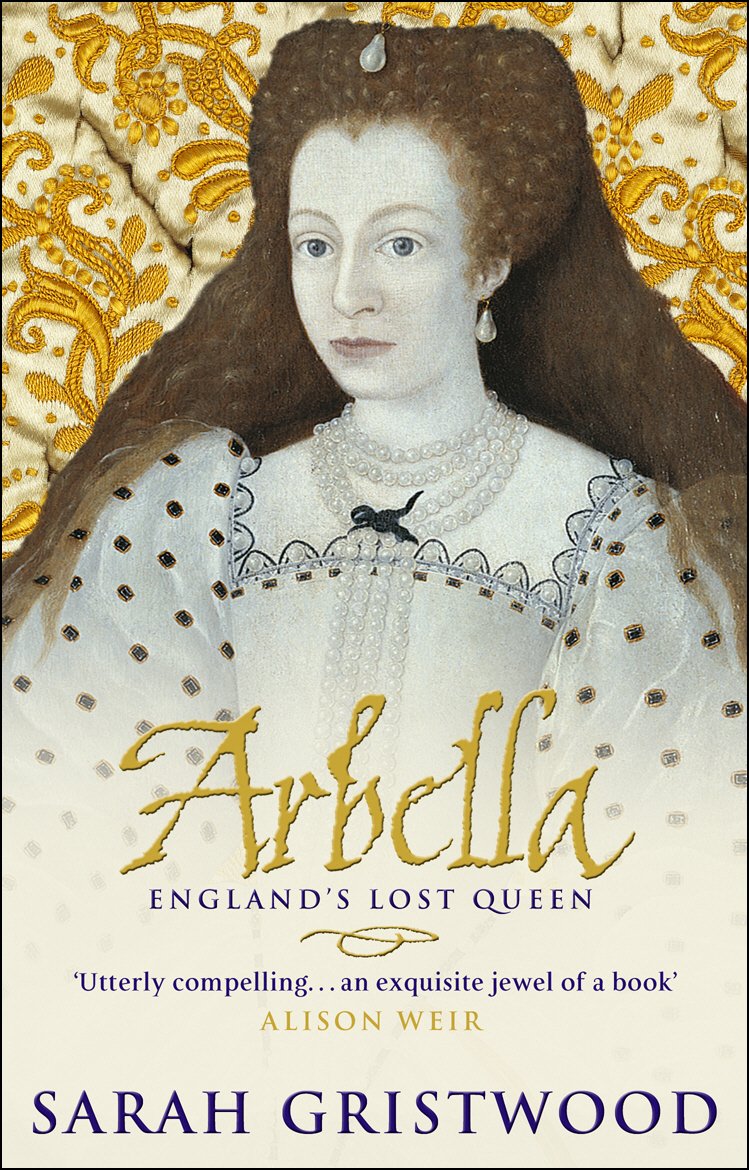
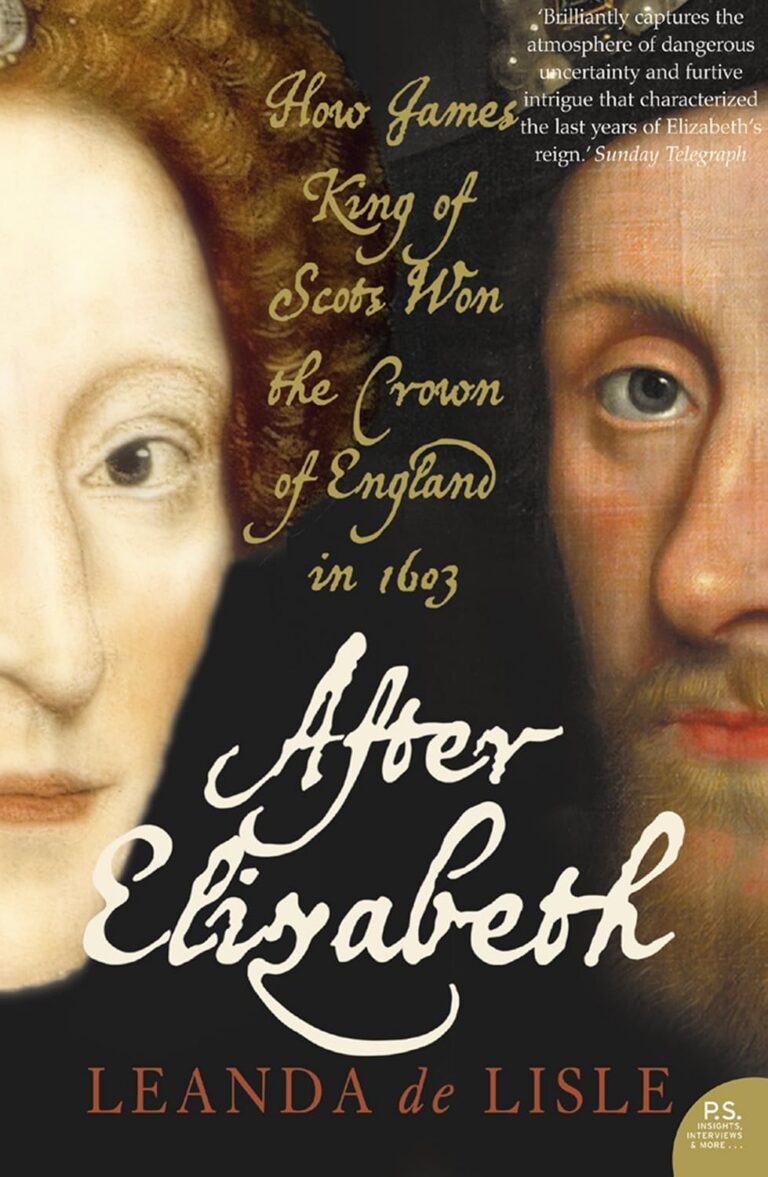
Gareth Russell’s A History of the English Monarchy traces the development of English monarchy from the resistance of Boudica to the reign of Elizabeth I. Leanda de Lisle’s After Elizabeth focuses on the unstable year from the closing months of Elizabeth I’s reign to the consolidation of James VI of Scotland as James I of England. Additional non-fiction treatment of Elizabeth I comes from Tracy Borman’s Anne Boleyn & Elizabeth I, Sarah Gristwood’s Arbella, Richard Woodman’s Armada 1588, Giles Milton’s Big Chief Elizabeth, and Tracy Borman’s Crown & Sceptre.