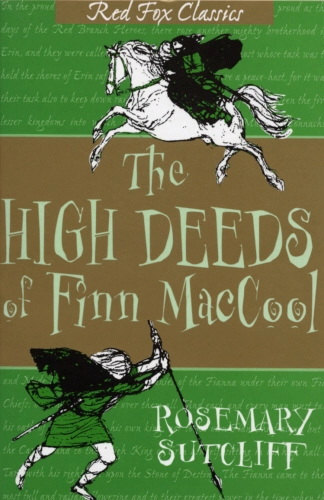
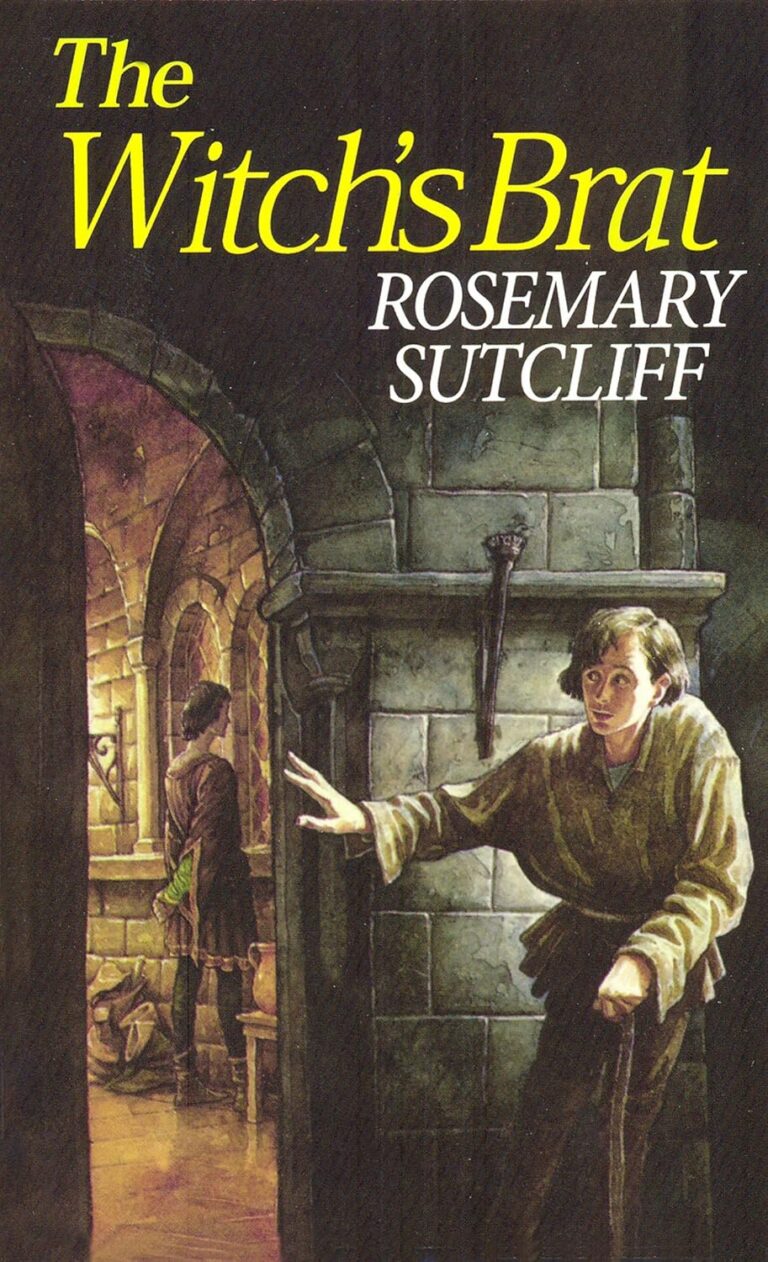
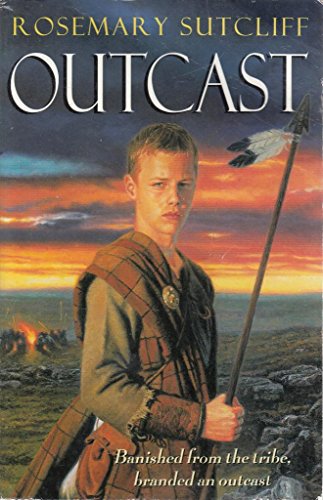
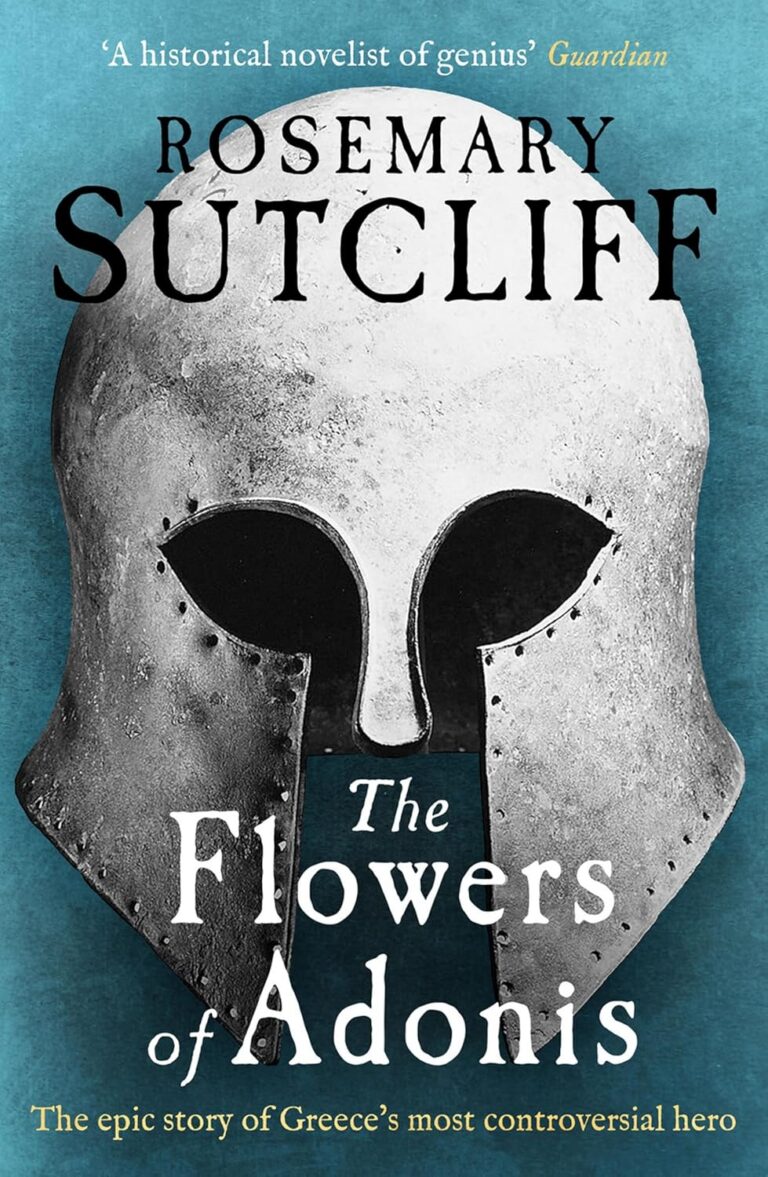
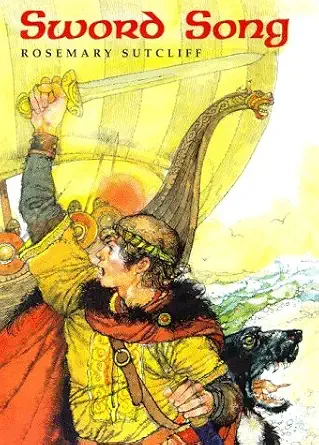
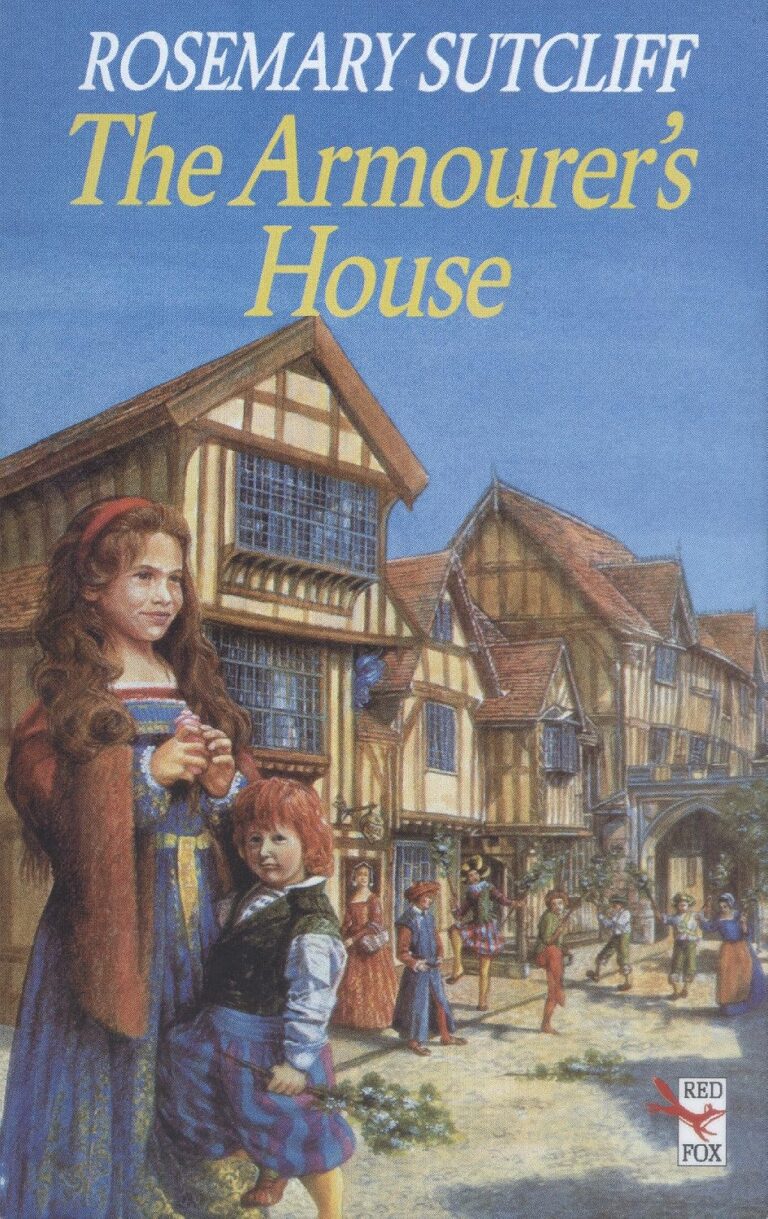
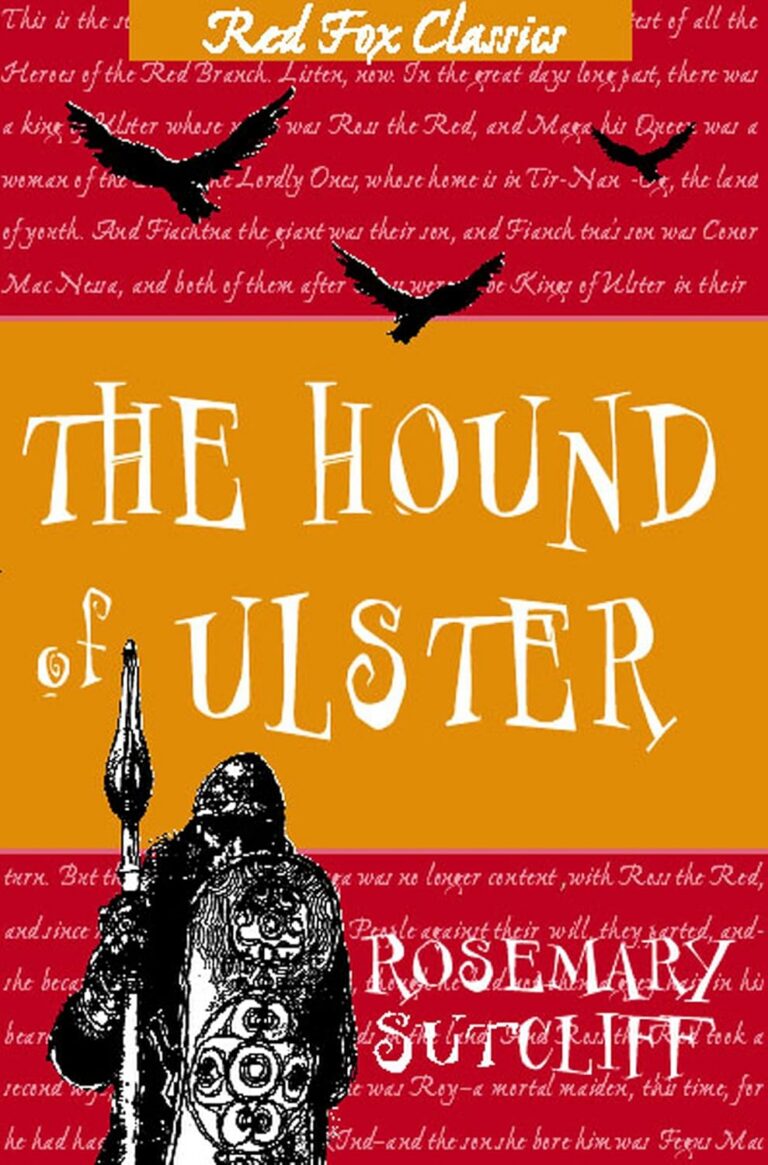
Rosemary Sutcliff (1920–1992) was a British author best known for historical novels set in the ancient and medieval worlds, particularly Roman and post-Roman Britain. Born in East Clandon, Surrey, she suffered from Still’s disease as a child and spent long periods confined by illness, often moving because of her father’s naval career. Unable to take part in many ordinary childhood activities, she developed a strong attachment to books, history, legend and storytelling. She later trained as a miniature painter before turning to writing, publishing her first book in 1950. Sutcliff became one of the most important historical novelists for younger readers in the twentieth century, but her work consistently avoided simplification: she treated war, displacement, loyalty, religion and cultural change with seriousness, often placing her protagonists in societies undergoing political collapse or transformation.
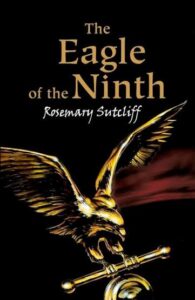
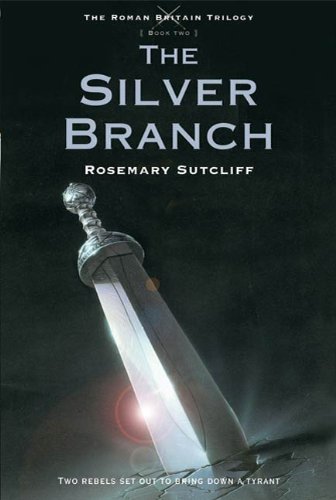
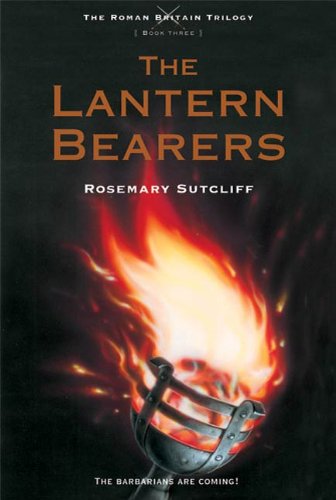
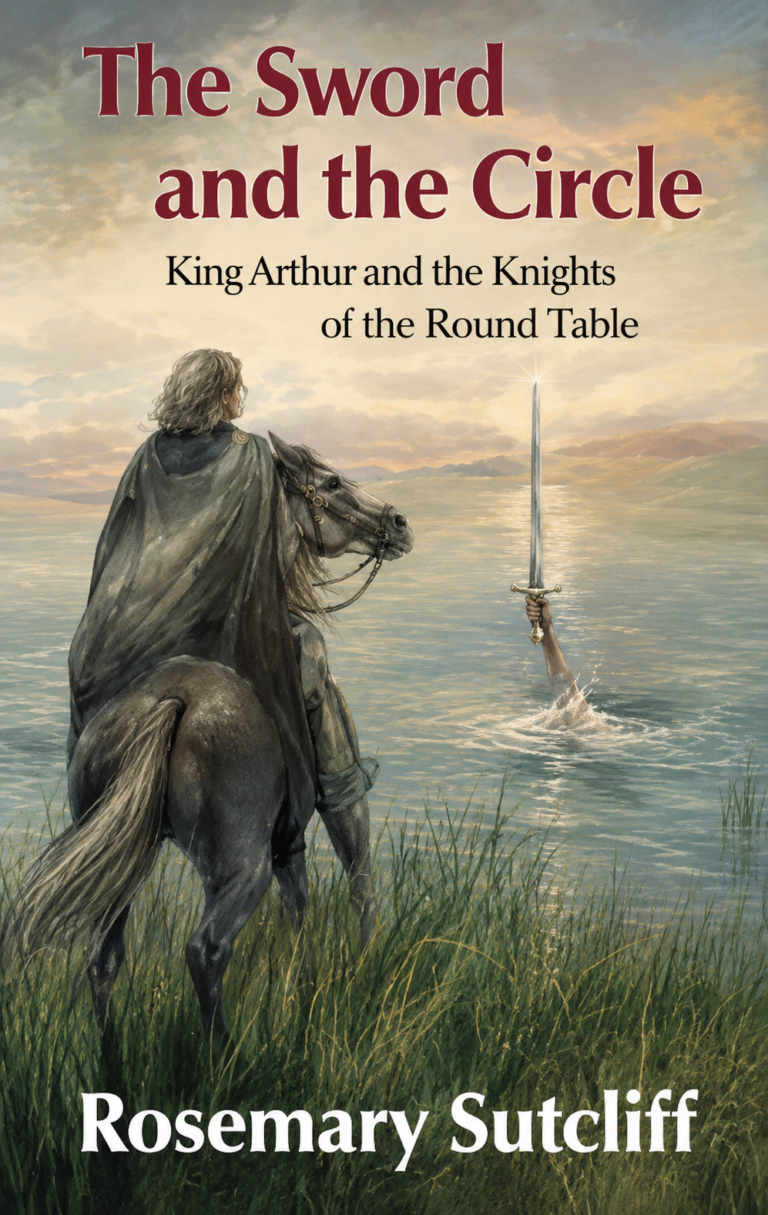
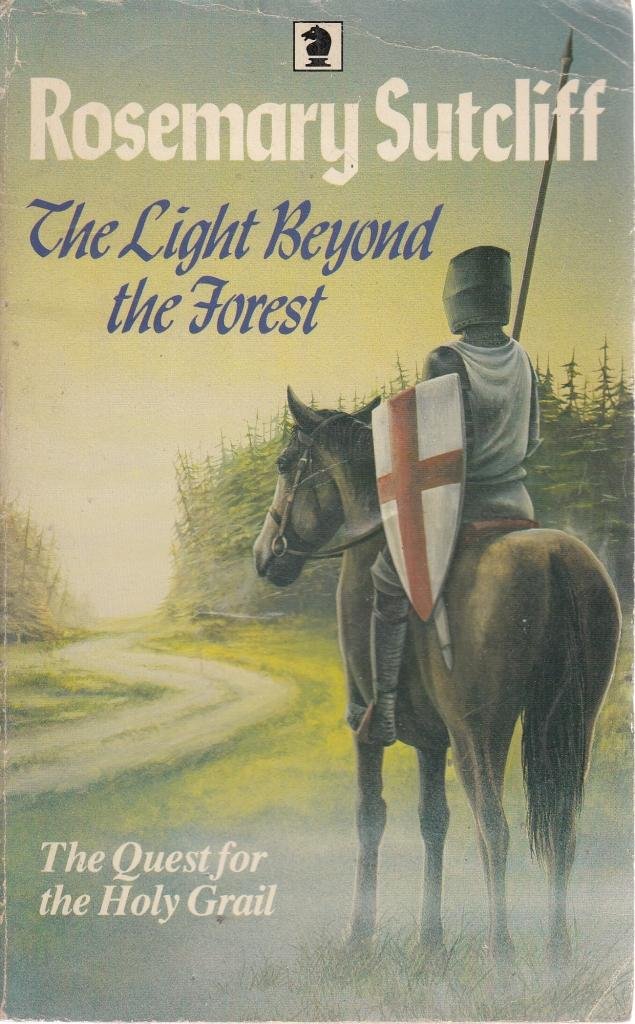
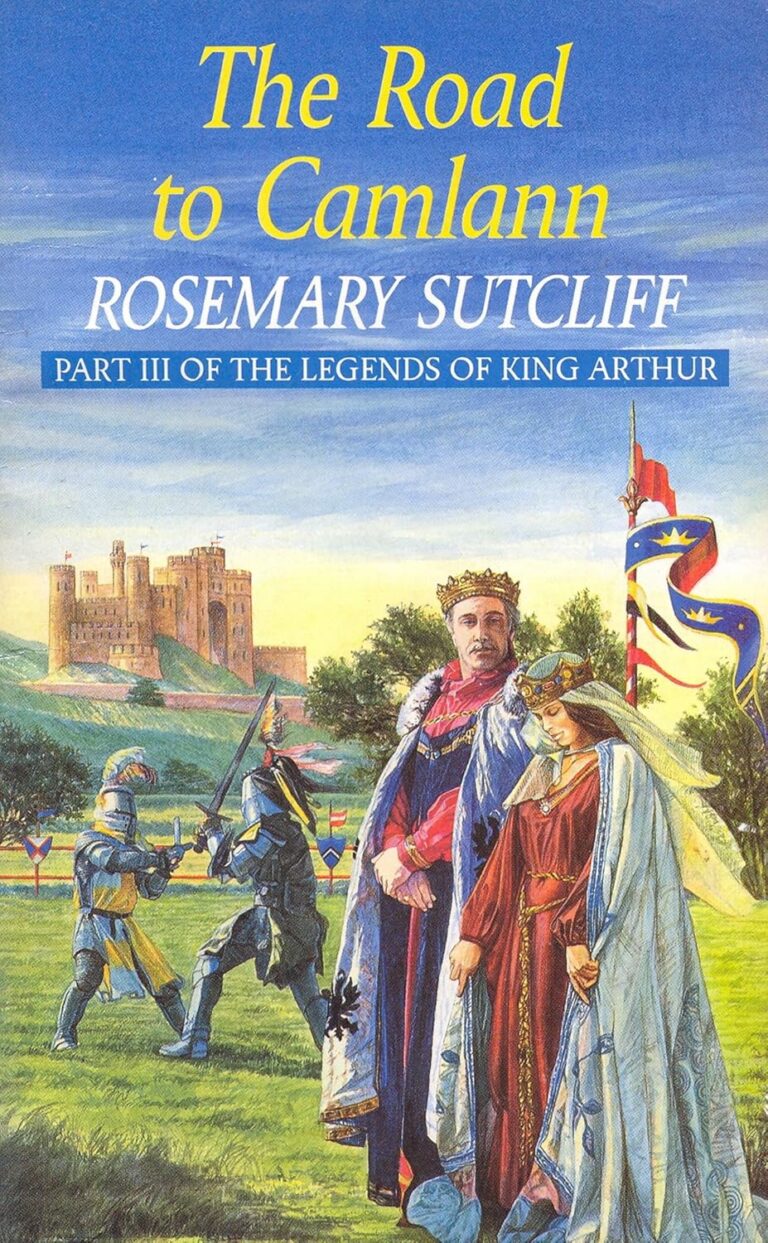
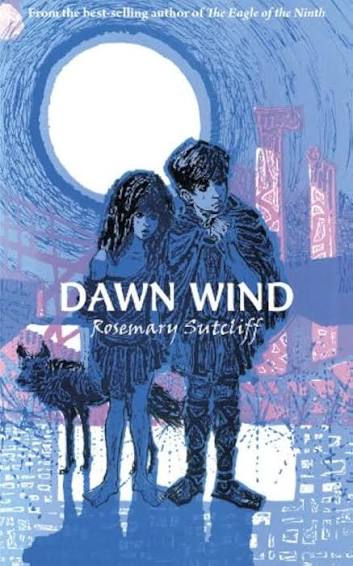
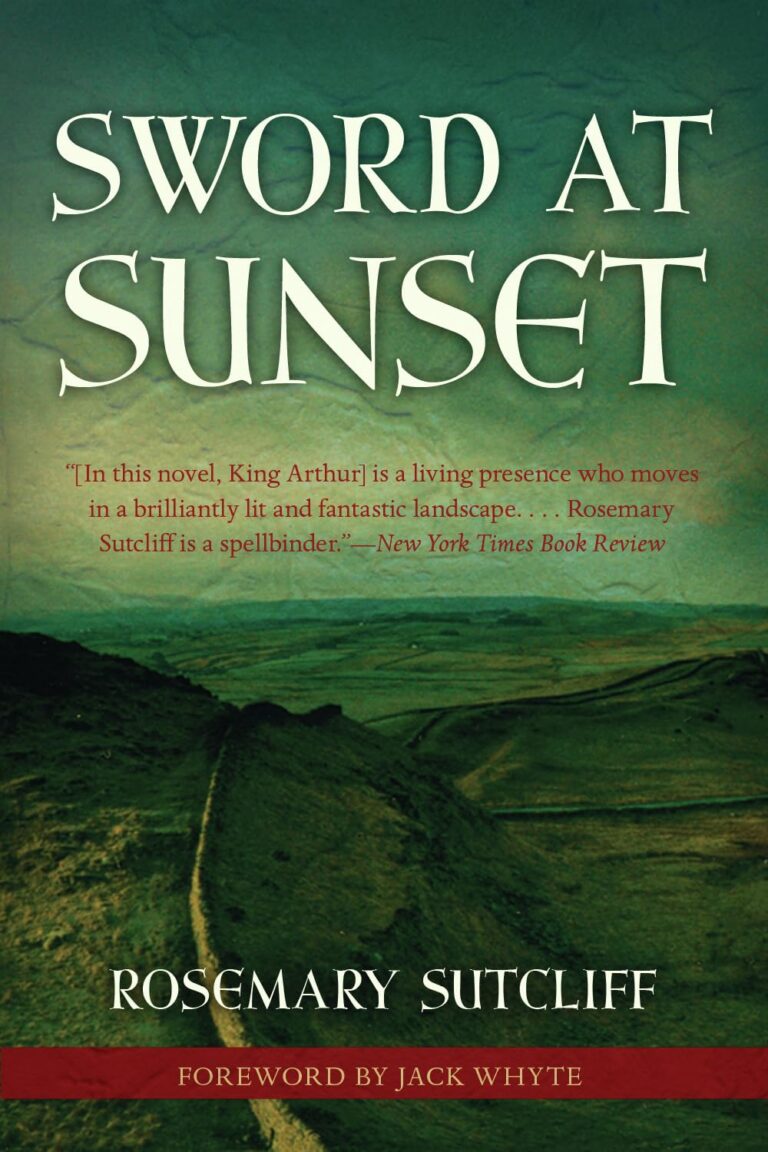
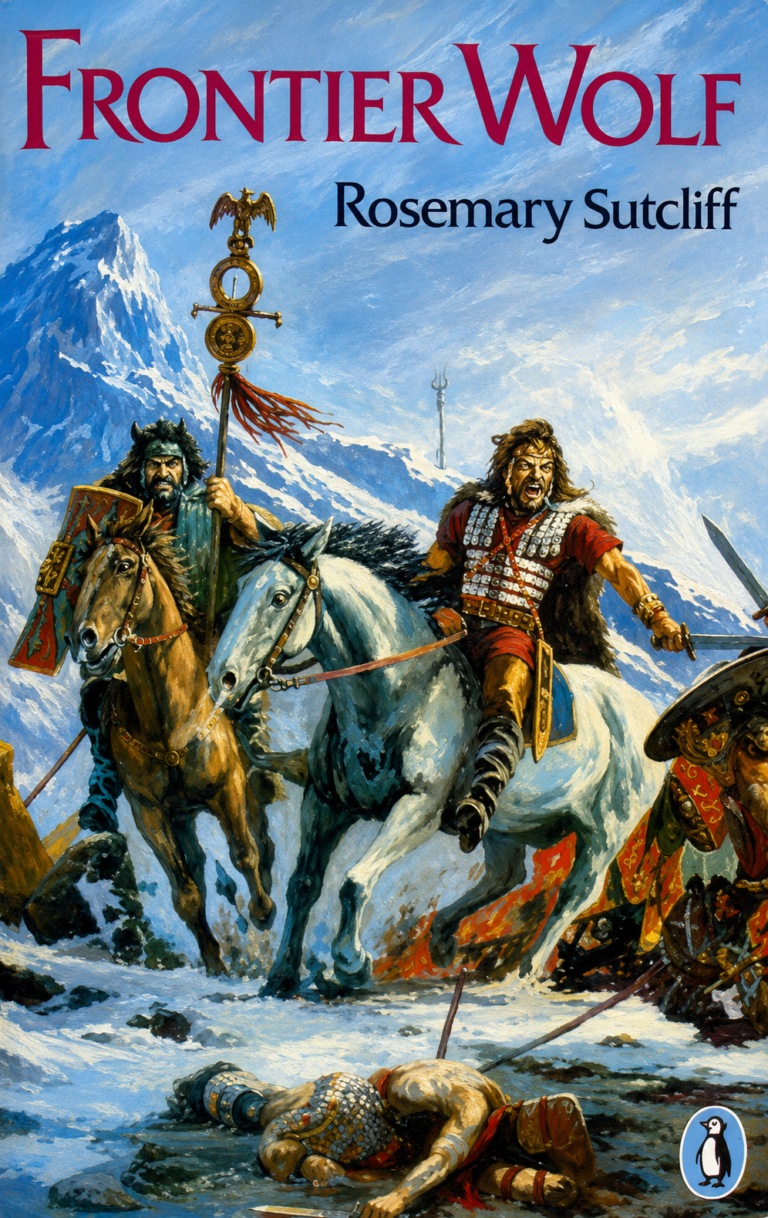
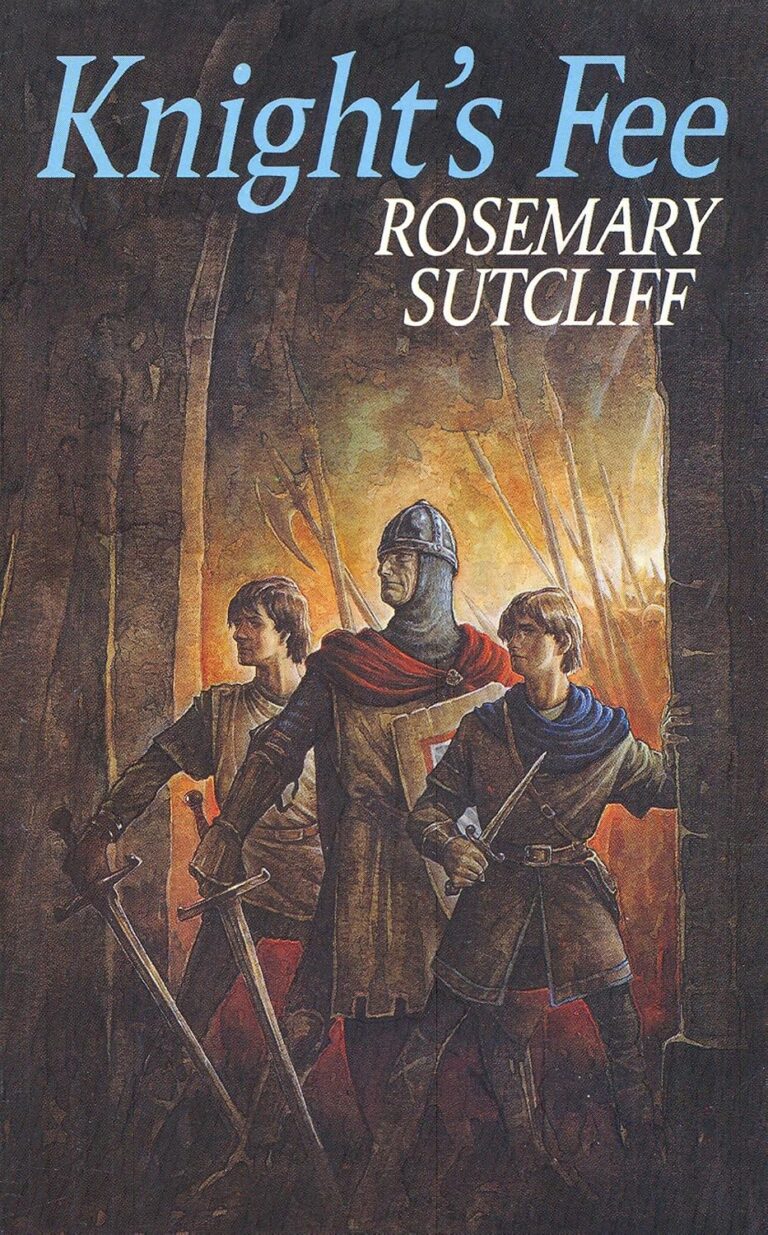
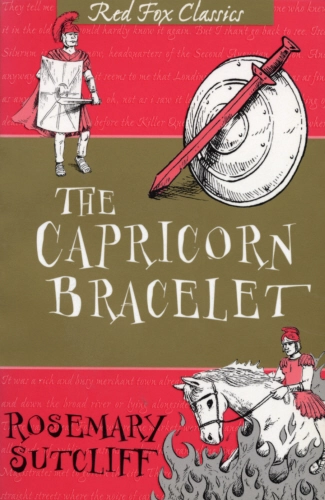
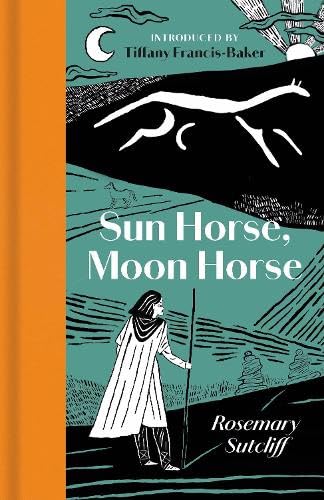
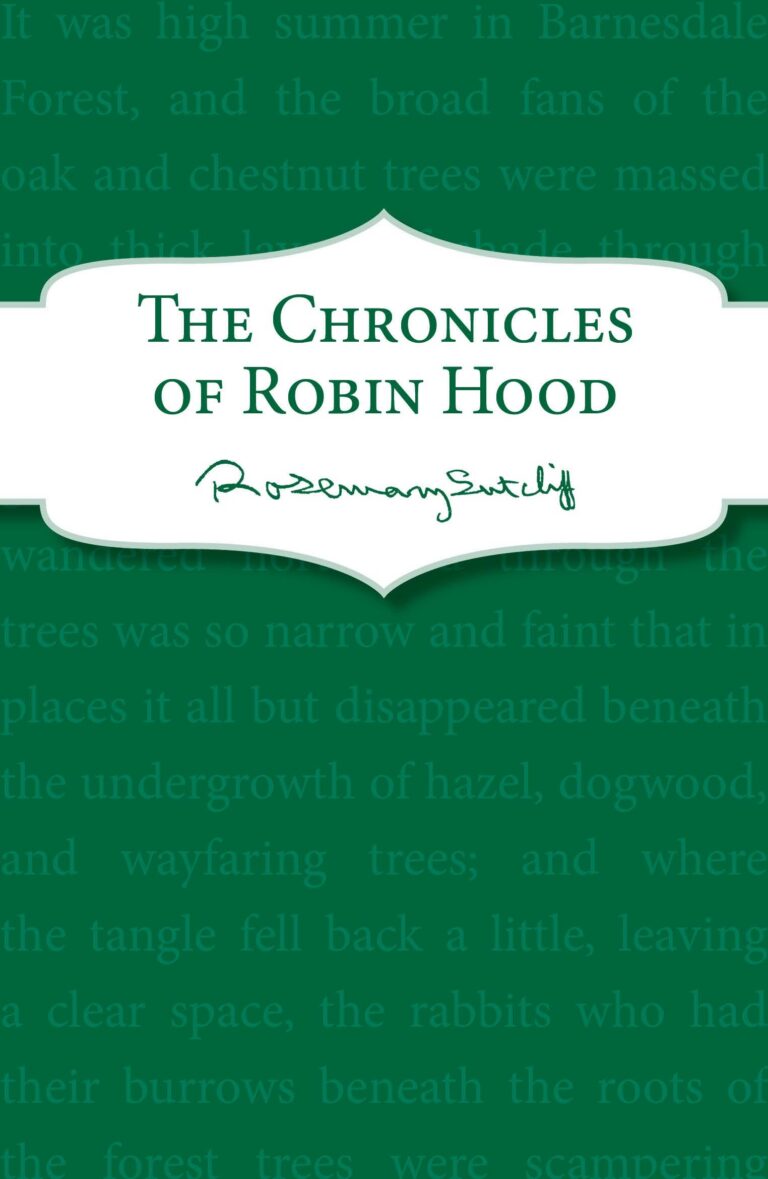
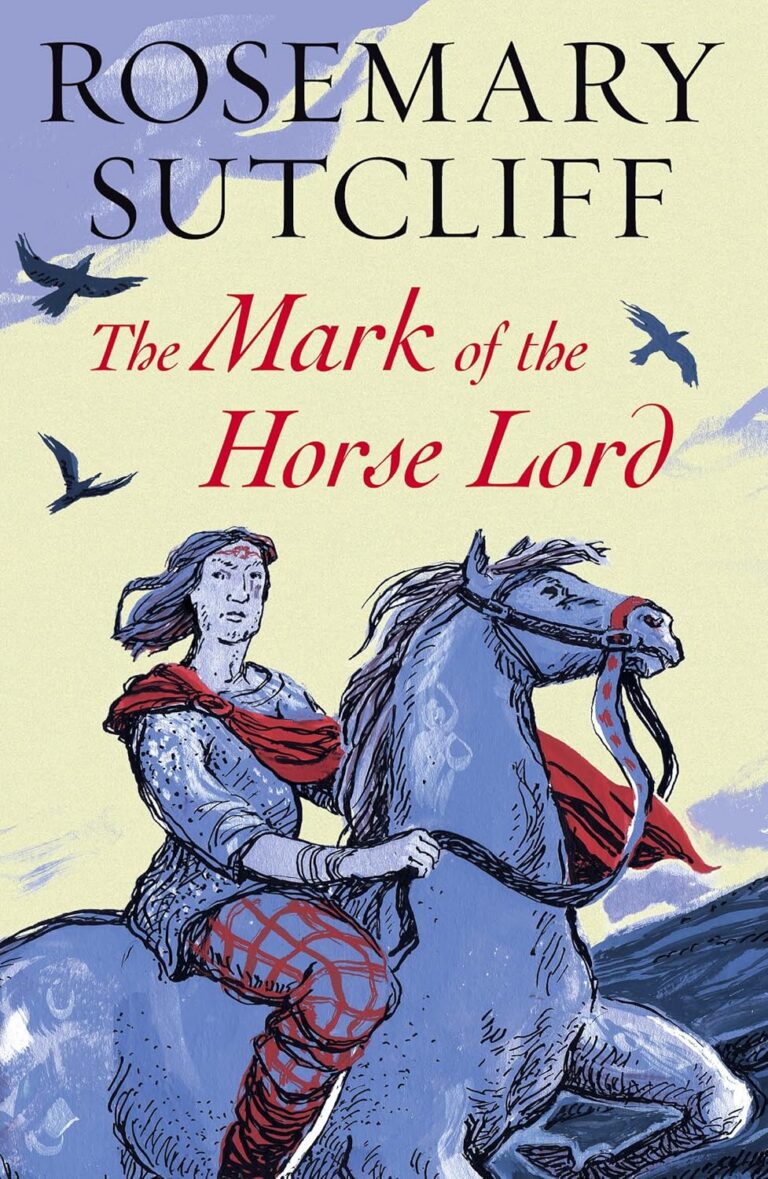
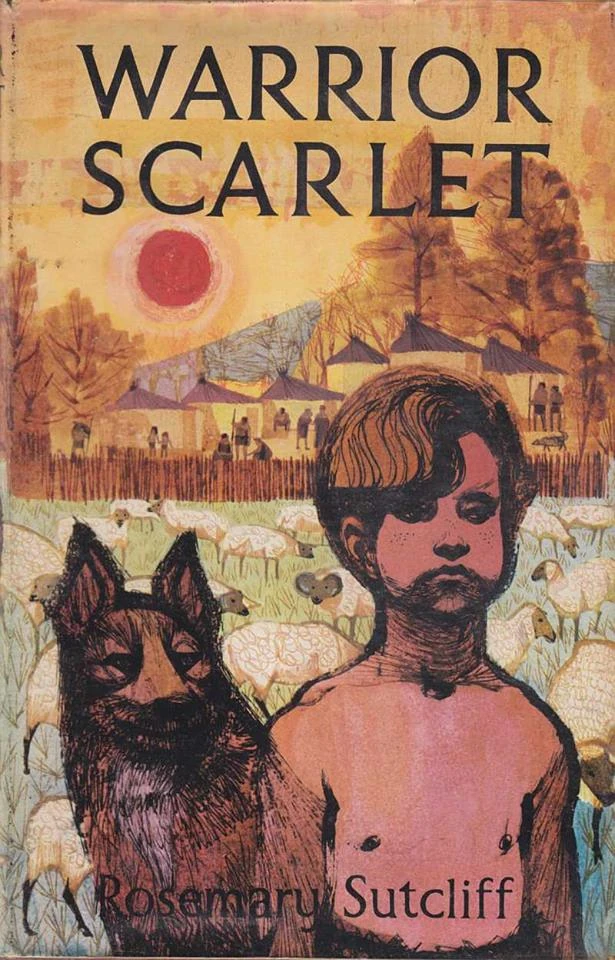
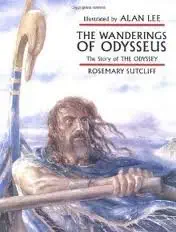
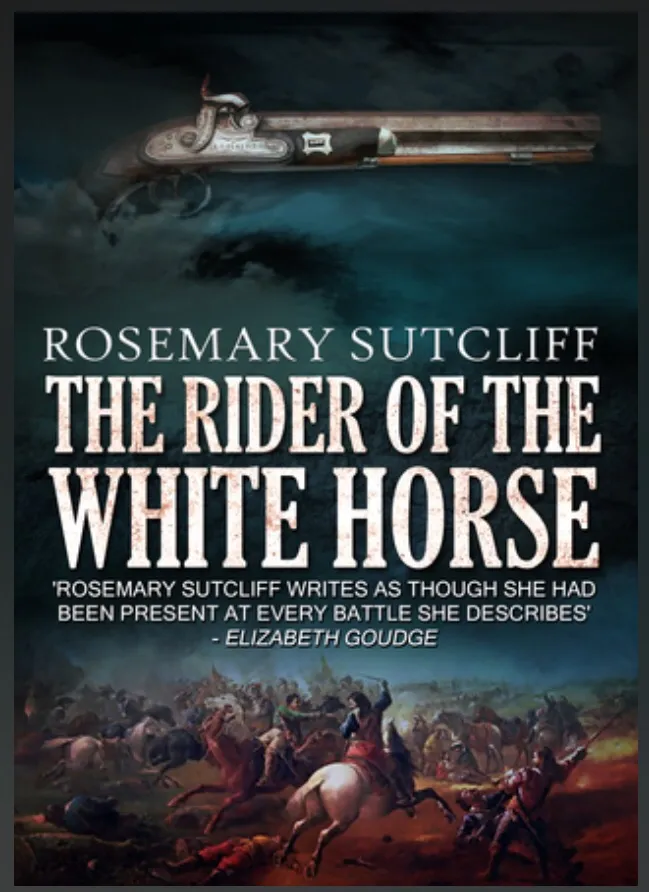
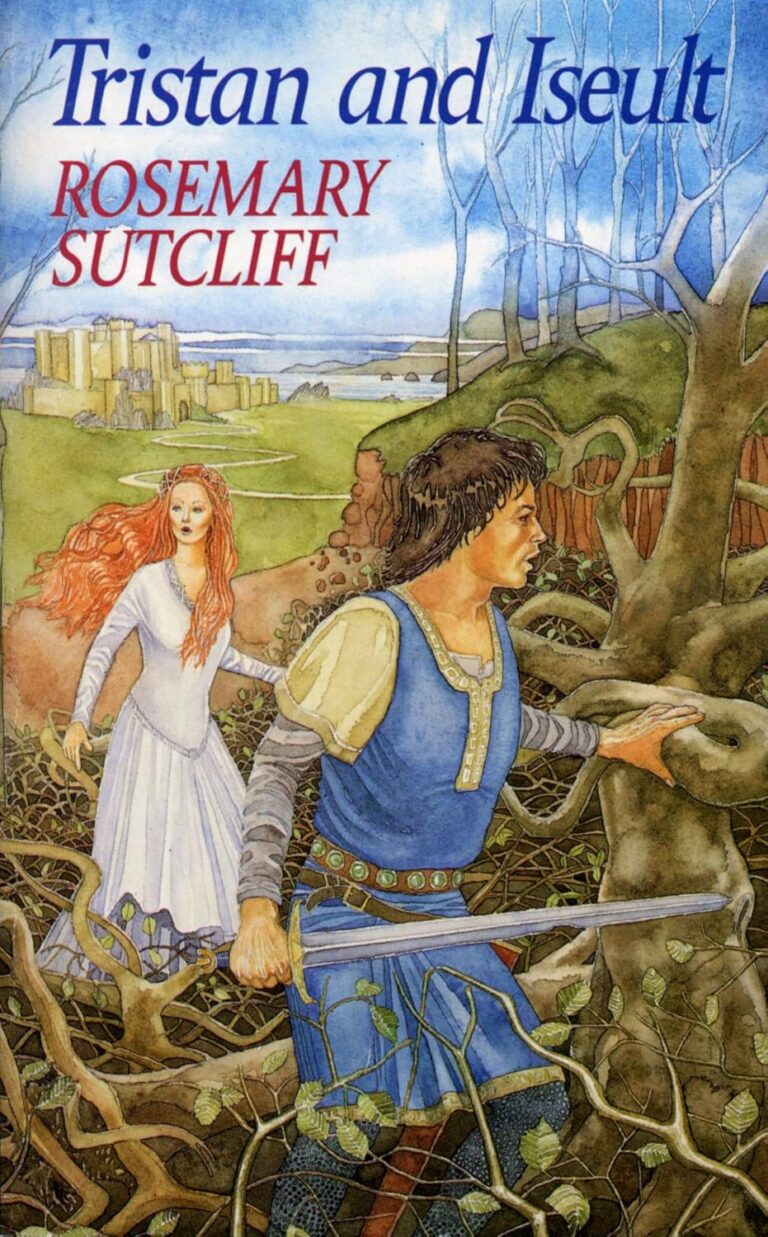
Her best-known sequence begins with The Eagle of the Ninth, set in Roman Britain and centred on a young officer searching for the lost eagle standard of the Ninth Legion. It is followed chronologically by The Silver Branch and The Lantern Bearers, which move from the later Roman Empire into the withdrawal of Roman authority and the beginnings of post-Roman Britain. Dawn Wind continues this broad historical progression into the sixth century, following Owain, a survivor of battle who is captured and enslaved by the Saxons before gradually rebuilding his life in a Britain being reshaped by migration, warfare and the decline of Romano-British power. Other important novels include Sword at Sunset, her darker and more adult treatment of the Arthurian age; The Mark of the Horse Lord; Frontier Wolf; Warrior Scarlet; and The Shining Company. Sutcliff also wrote retellings of classical and medieval legends, including stories of Odysseus, Tristan and Arthur. Her fiction is notable for vivid landscapes, careful historical research and recurring concerns with courage, identity, exile and belonging.

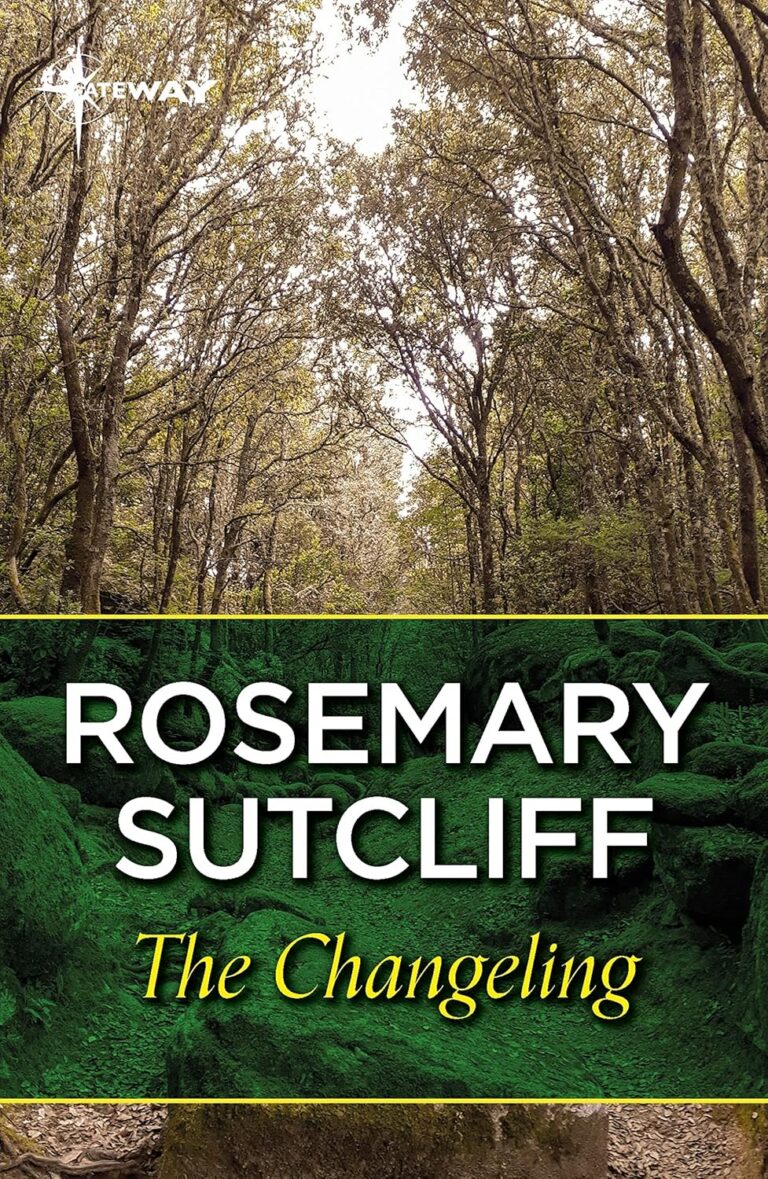

 Henry Treece
35 books
Henry Treece
35 books
 Geoffrey Trease
44 books
Geoffrey Trease
44 books
 Victor Canning
21 books
Victor Canning
21 books
 Gillian Bradshaw
20 books
Gillian Bradshaw
20 books
 Marion Zimmer Bradley
8 books
Marion Zimmer Bradley
8 books