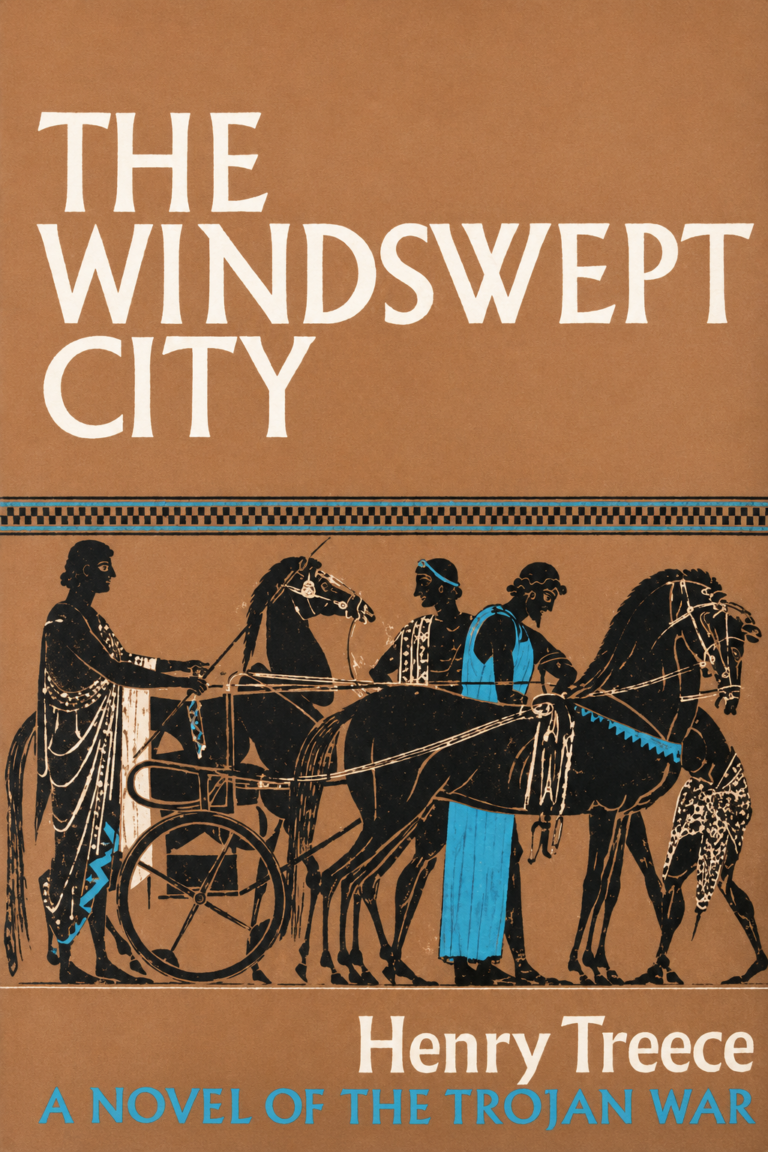
Odysseus was the legendary king of Ithaca, husband of Penelope and father of Telemachus. Renowned for intelligence rather than brute strength, he served as one of the principal Greek commanders in the Trojan War and was traditionally credited with devising the wooden horse that enabled the Greeks to enter Troy. His defining qualities are ingenuity, persuasive speech, adaptability and endurance, although his pride and willingness to deceive frequently bring danger upon himself and others. After the fall of Troy, his attempt to return home becomes a ten-year struggle against storms, monsters, enchantresses and the hostility of Poseidon.
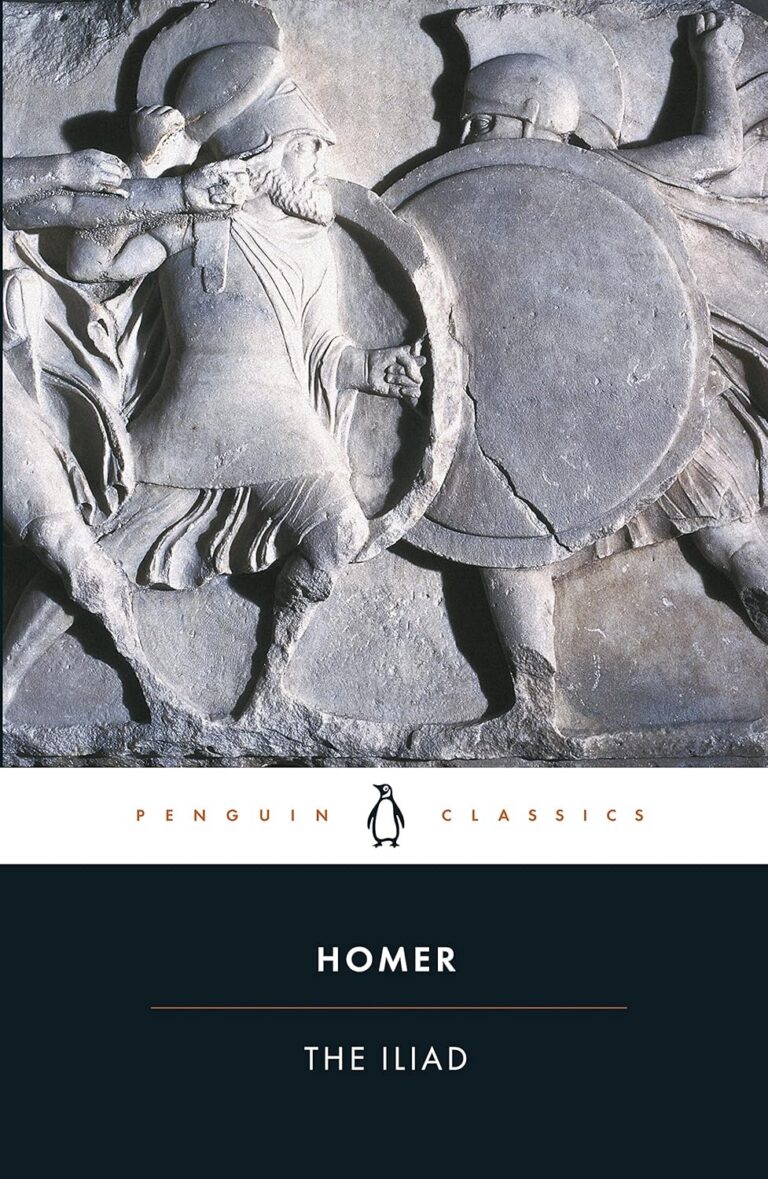
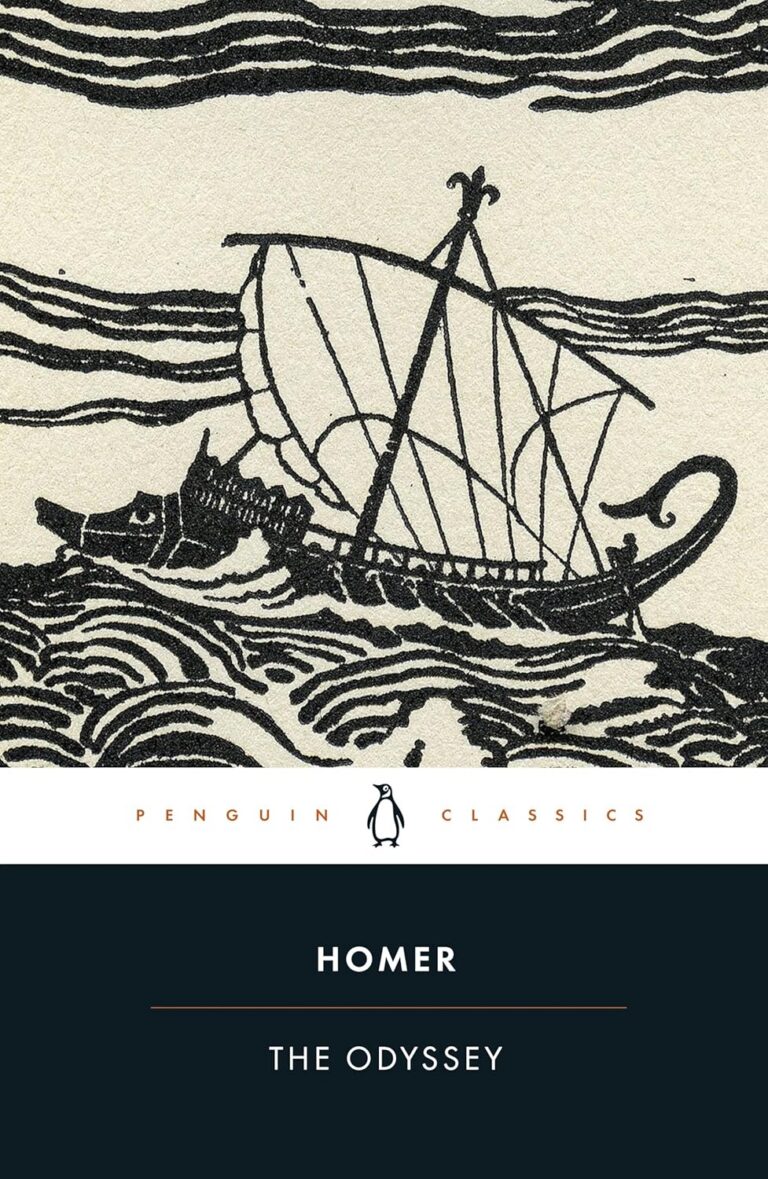
In ancient literature, Odysseus is most fully portrayed in Homer’s Odyssey , which follows his encounters with the Cyclops Polyphemus, Circe, the Sirens, Calypso and the dead before his eventual return to Ithaca. He also plays an important role in the Iliad as a diplomat, strategist and dependable battlefield commander.
In Peter Tonkin’s Beware of Greeks, in Aulis, a merchant’s son disabled during a robbery survives as an apprentice rhapsode until Odysseus recruits him for the search for Achilles. In Madeline Miller’s Circe, when she uses that power against rivals, her divine family exposes her to Zeus and she is condemned to exile on the island of Aiaia. Isolation gives Circe the freedom to develop her witchcraft, but it does not remove her from the struggles of gods and heroes. Her life intersects with Daedalus, the Minotaur, Medea and the creation of Scylla before Odysseus arrives after the Trojan War. Further fictional perspectives on Odysseus can be found in Peter Tonkin’s The Anger of Achilles, Euripides’ The Bacchae and Other Plays, Caroline Alexander’s The Iliad, Manolo Palomares’ The Last Night of Troy, and Homer’s The Odyssey.