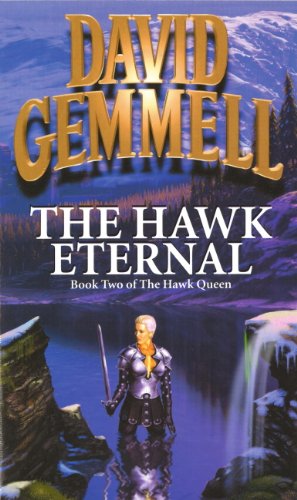
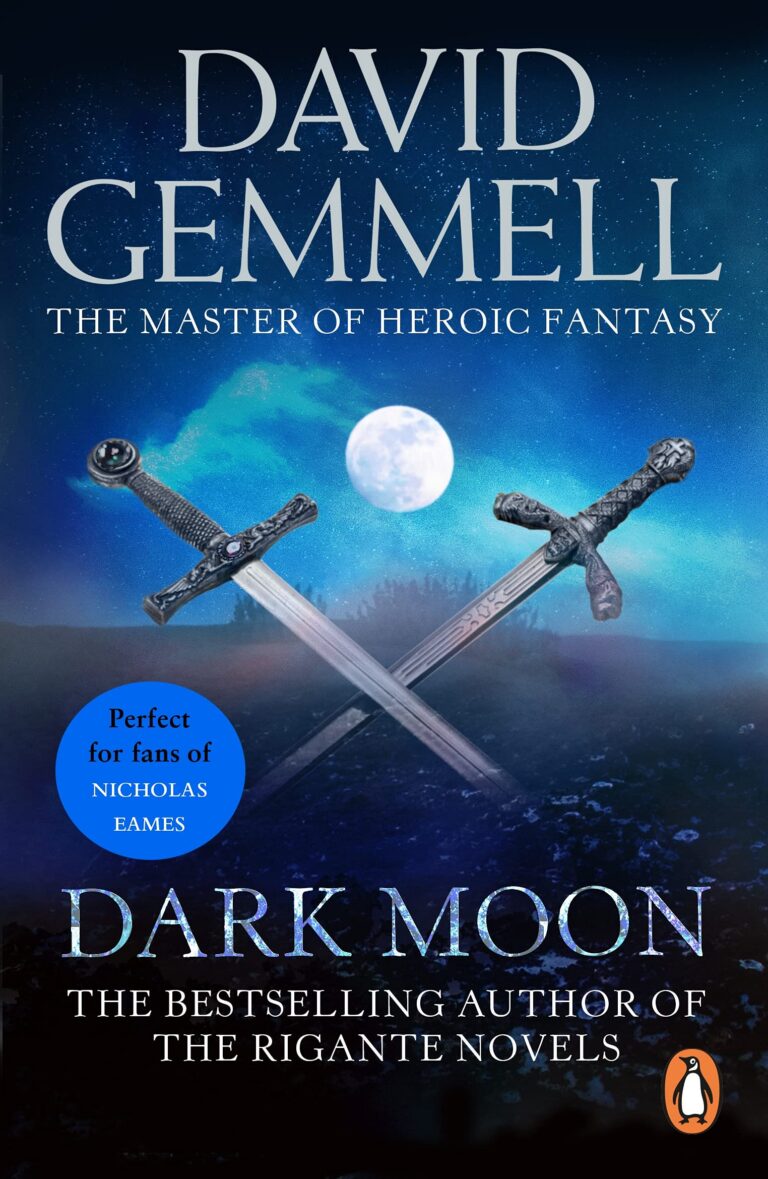
David Gemmell (1948–2006) was a British author whose fast-moving heroic fantasy made him one of the most popular British writers in the genre. Born in West London and raised largely by his mother, he had a difficult childhood and left school at sixteen. Before becoming a writer he worked in a succession of jobs, including labouring and nightclub work, before establishing himself in journalism. He eventually became editor of the Hastings Observer. Gemmell began the story that became Legend while awaiting tests for what doctors feared might be cancer, using the image of an apparently impregnable fortress threatened by an overwhelming enemy as a metaphor for his own situation. After learning that he did not have cancer he put the manuscript aside, but later rewrote it and secured publication in 1984. Legend, centred on the ageing warrior Druss and the desperate defence of Dros Delnoch, established many of the qualities that would characterise his later work: formidable but flawed warriors, apparently hopeless battles, comradeship, sacrifice and the possibility of redemption. Gemmell became a full-time novelist and produced more than thirty novels before his sudden death in 2006. His books rarely present uncomplicated heroes; their protagonists are often killers, mercenaries, outcasts or damaged soldiers who nevertheless attempt to live by personal codes of honour. Violence is frequent, but Gemmell repeatedly emphasises its consequences and asks what distinguishes courage from brutality, or a warrior from a murderer.
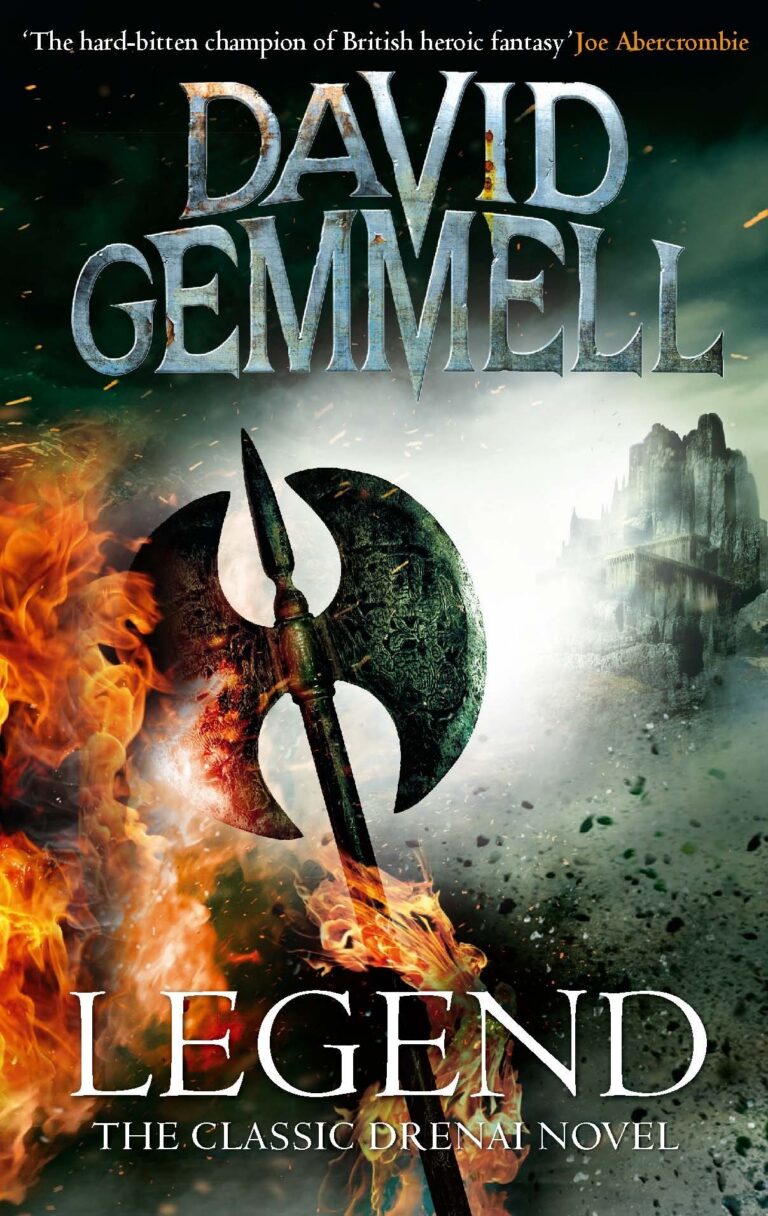
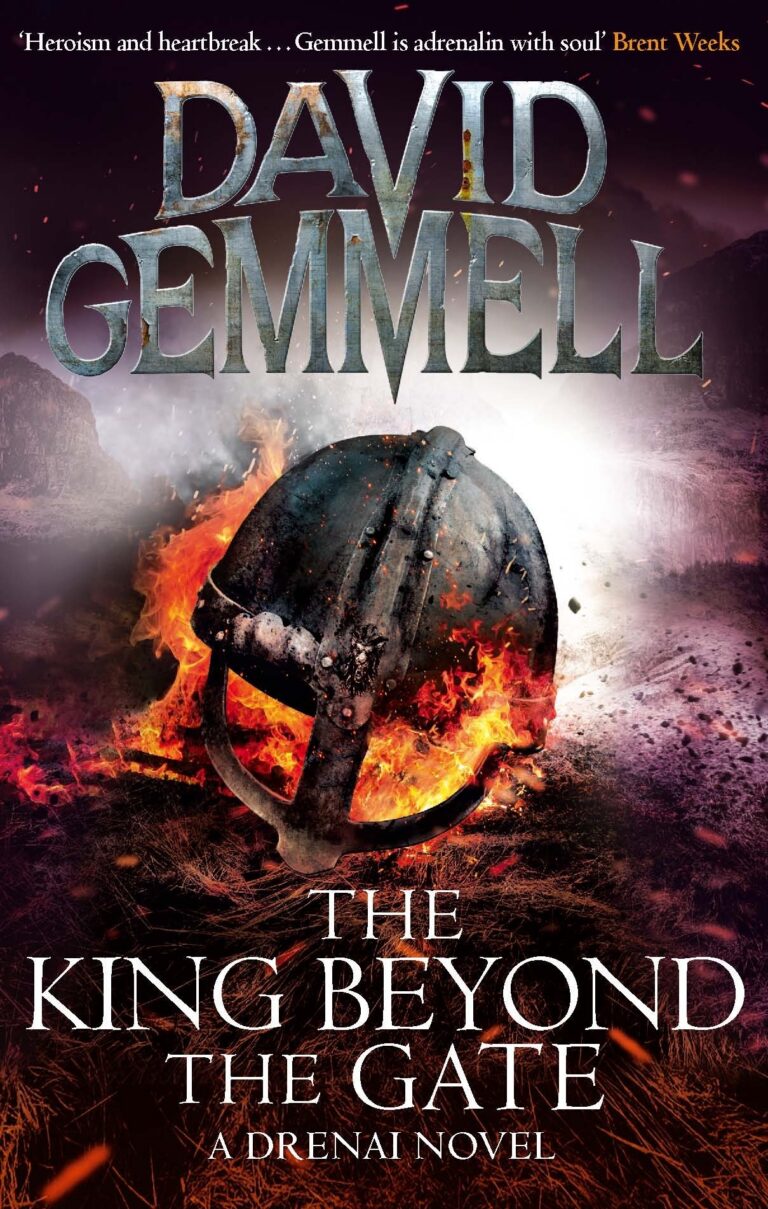
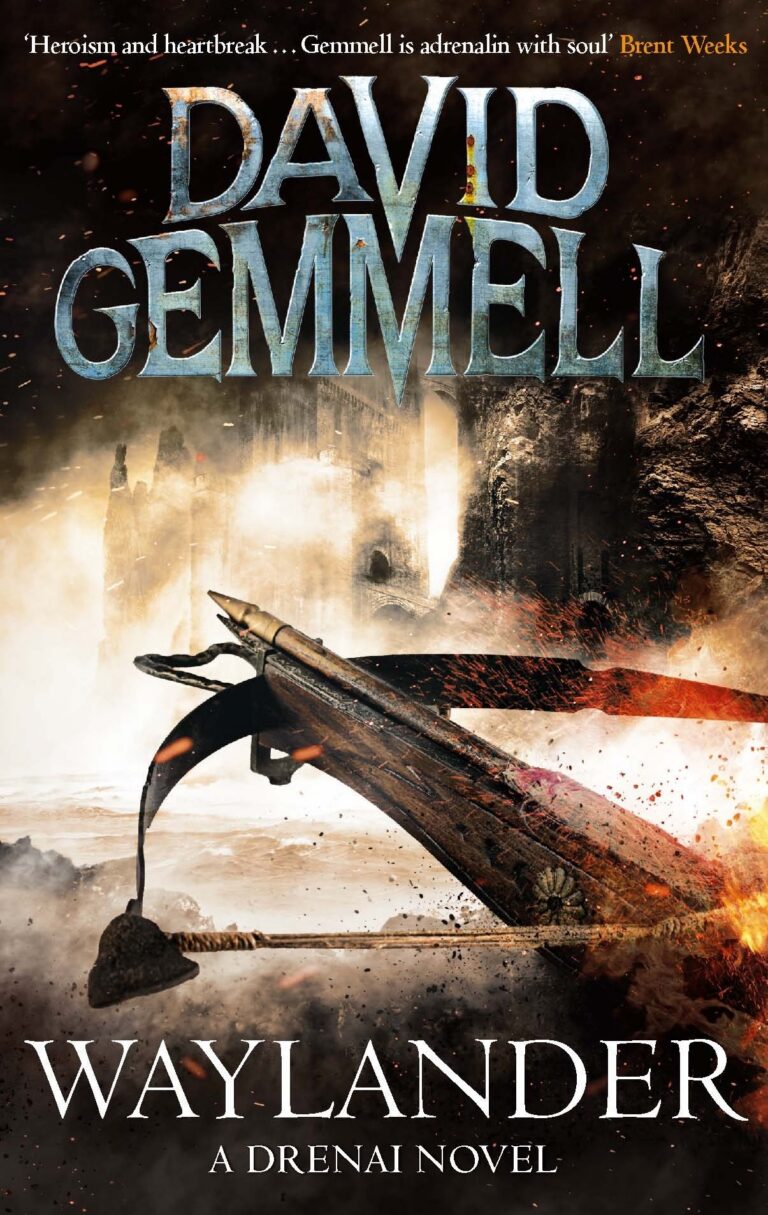
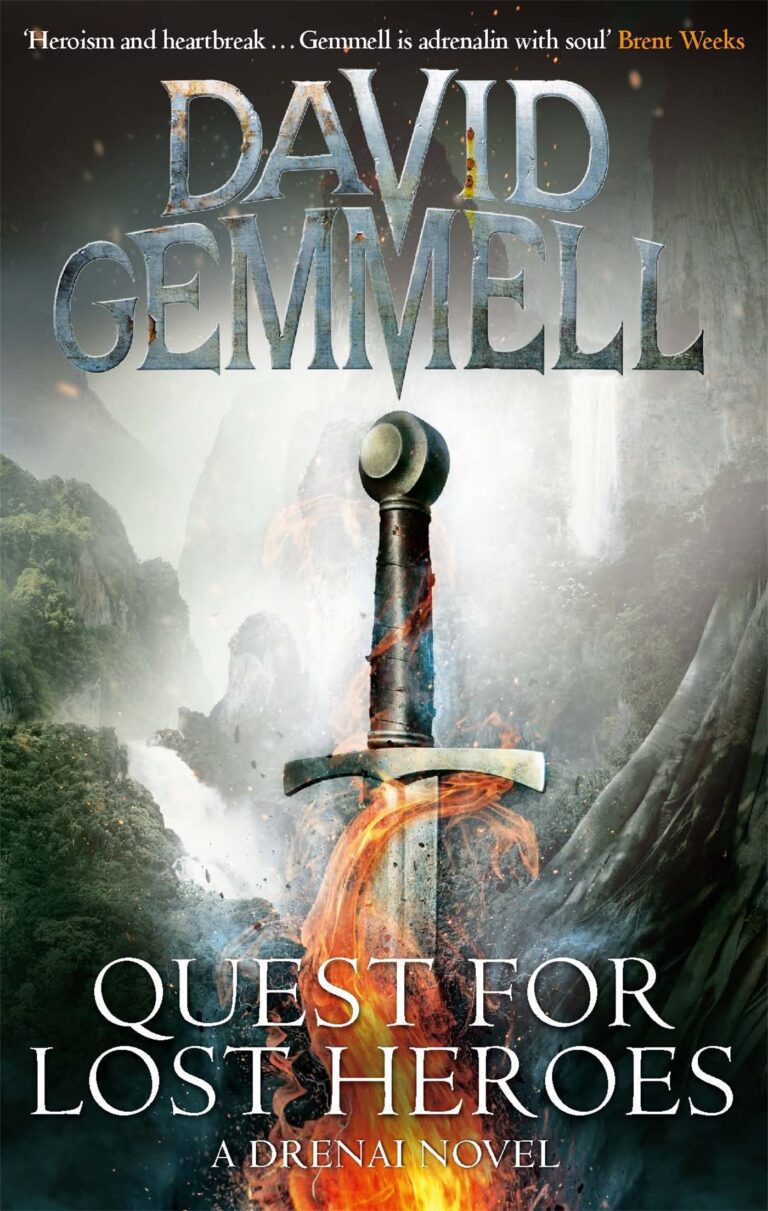
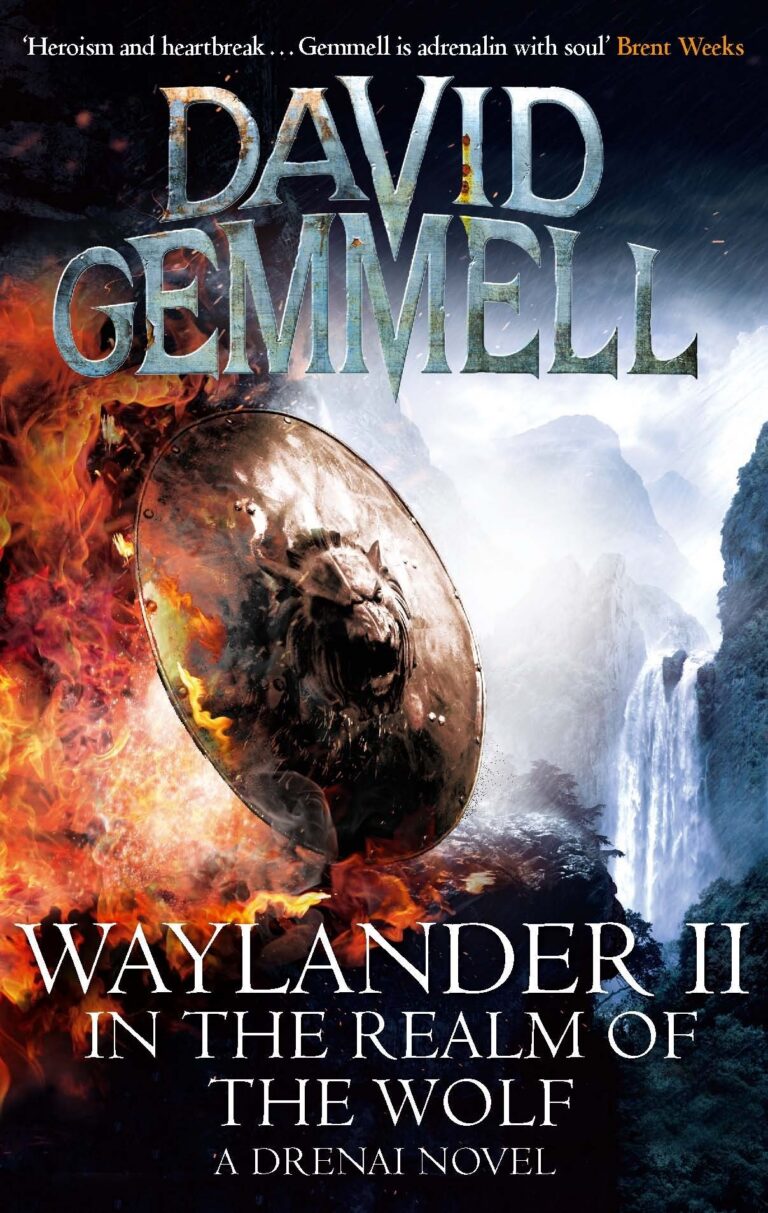
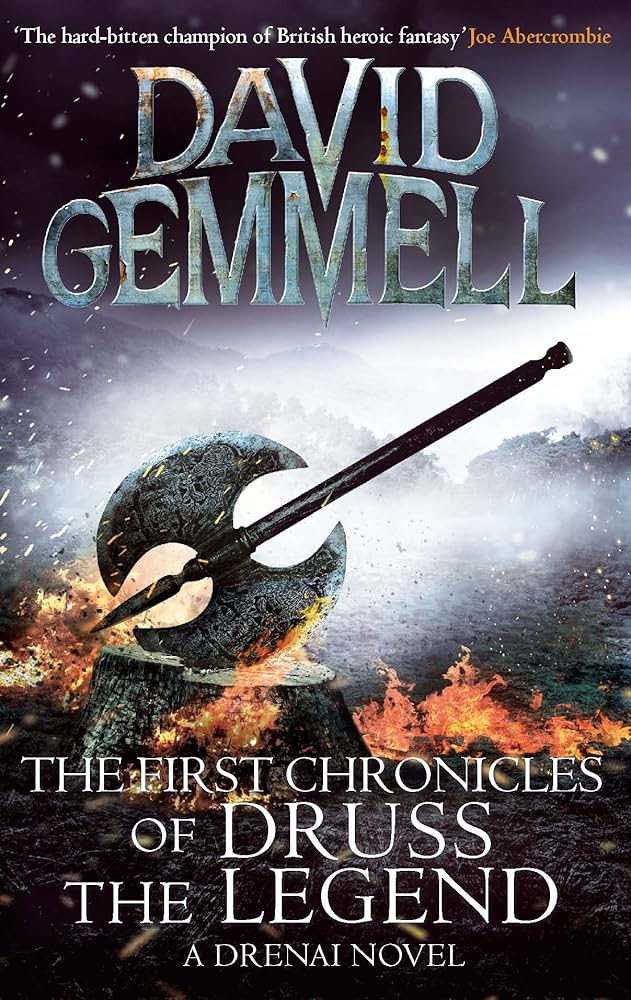
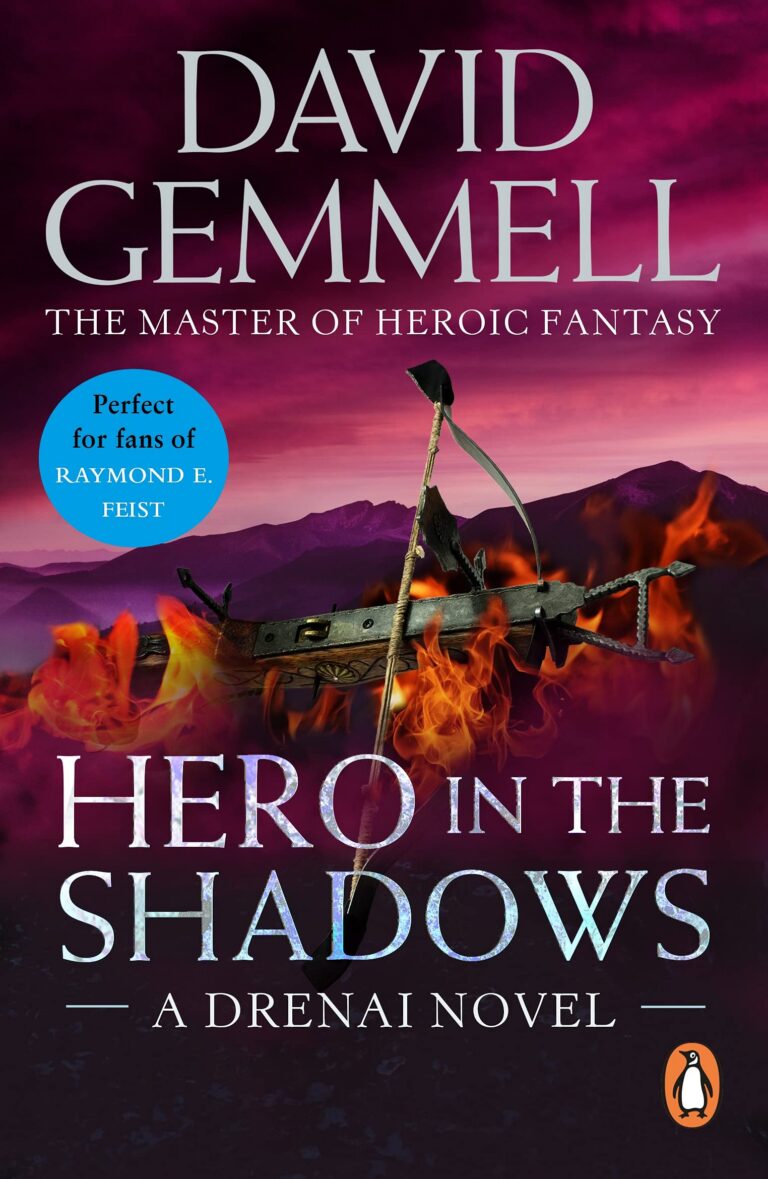
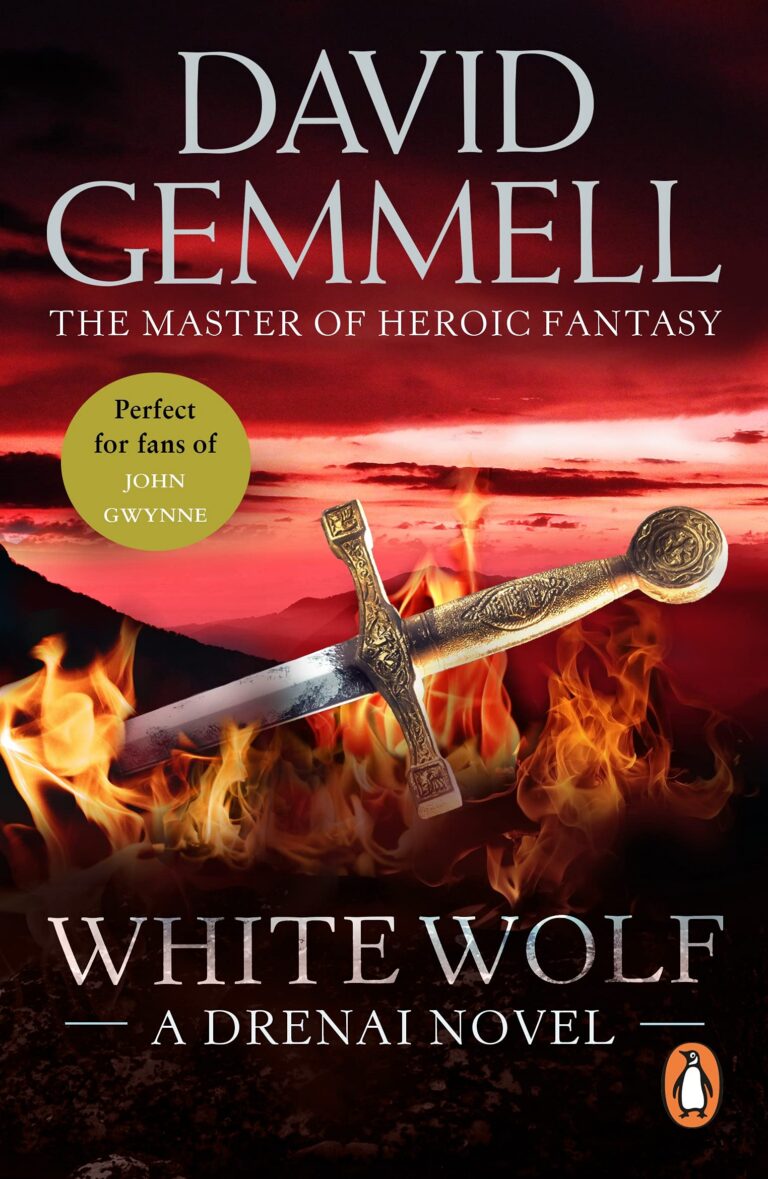
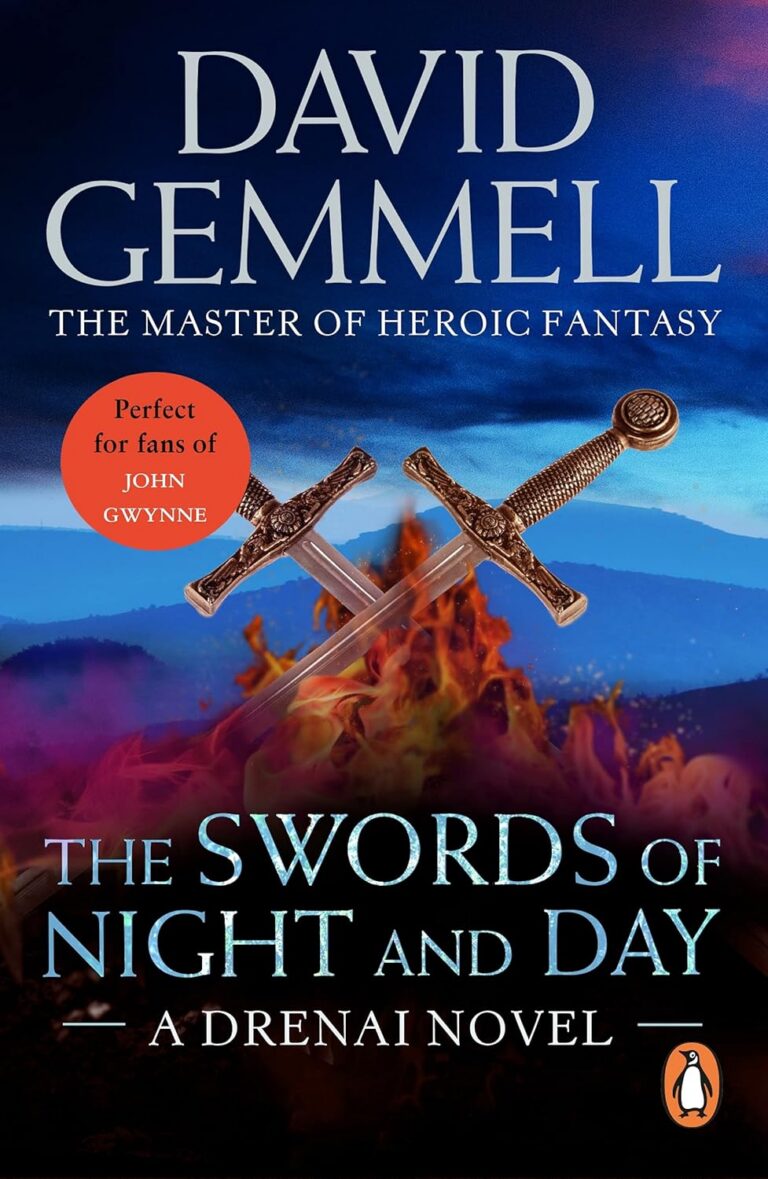
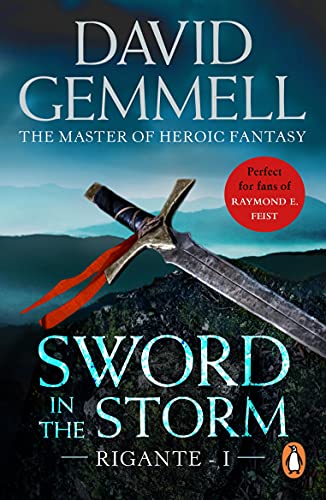
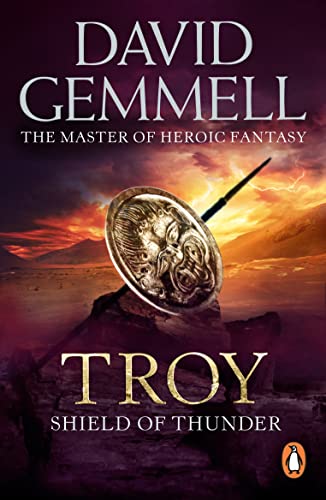
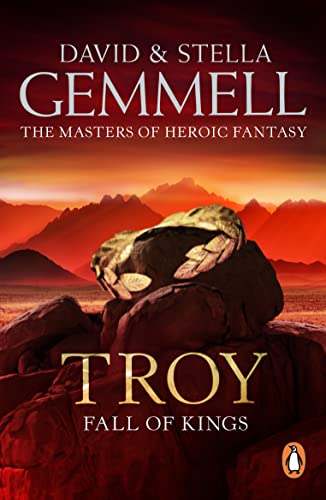
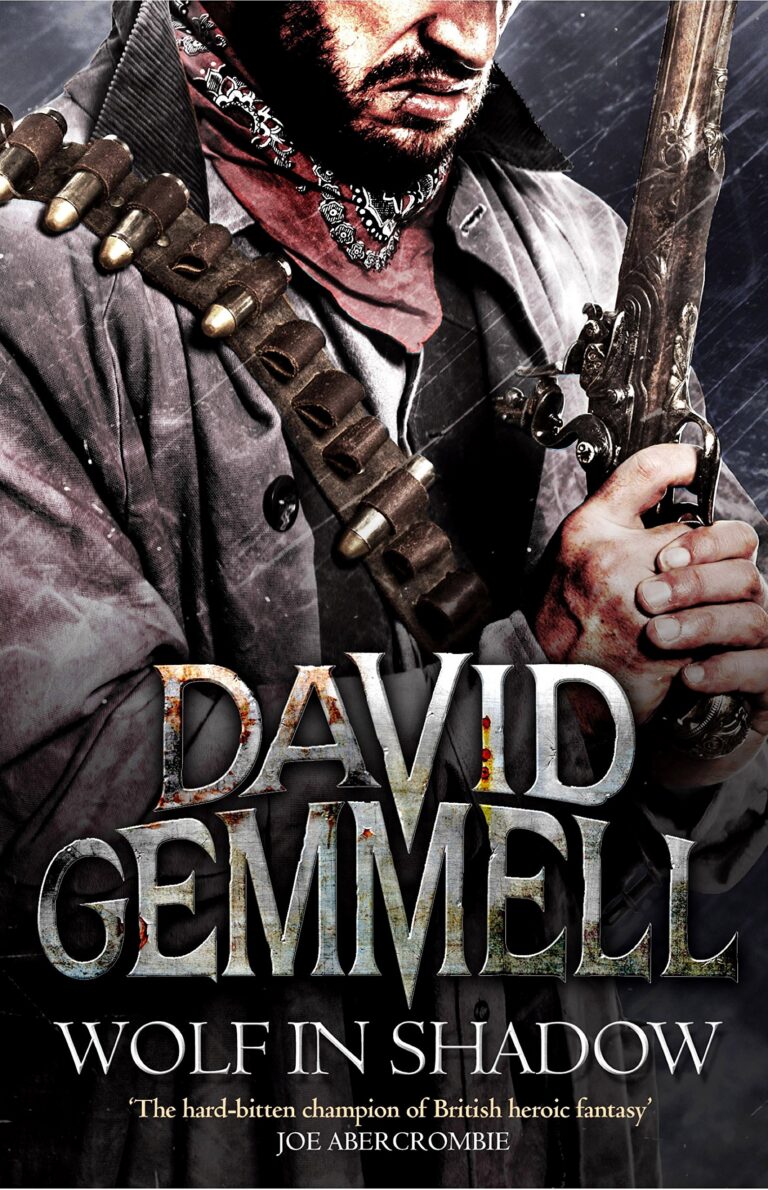
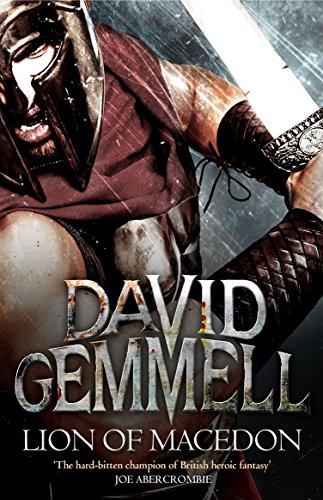
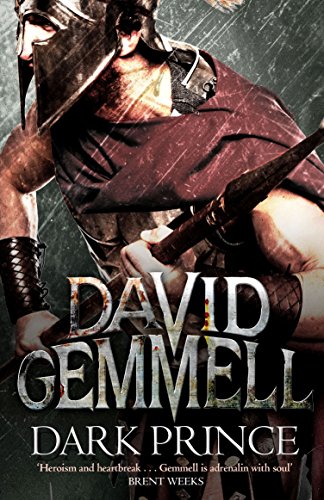
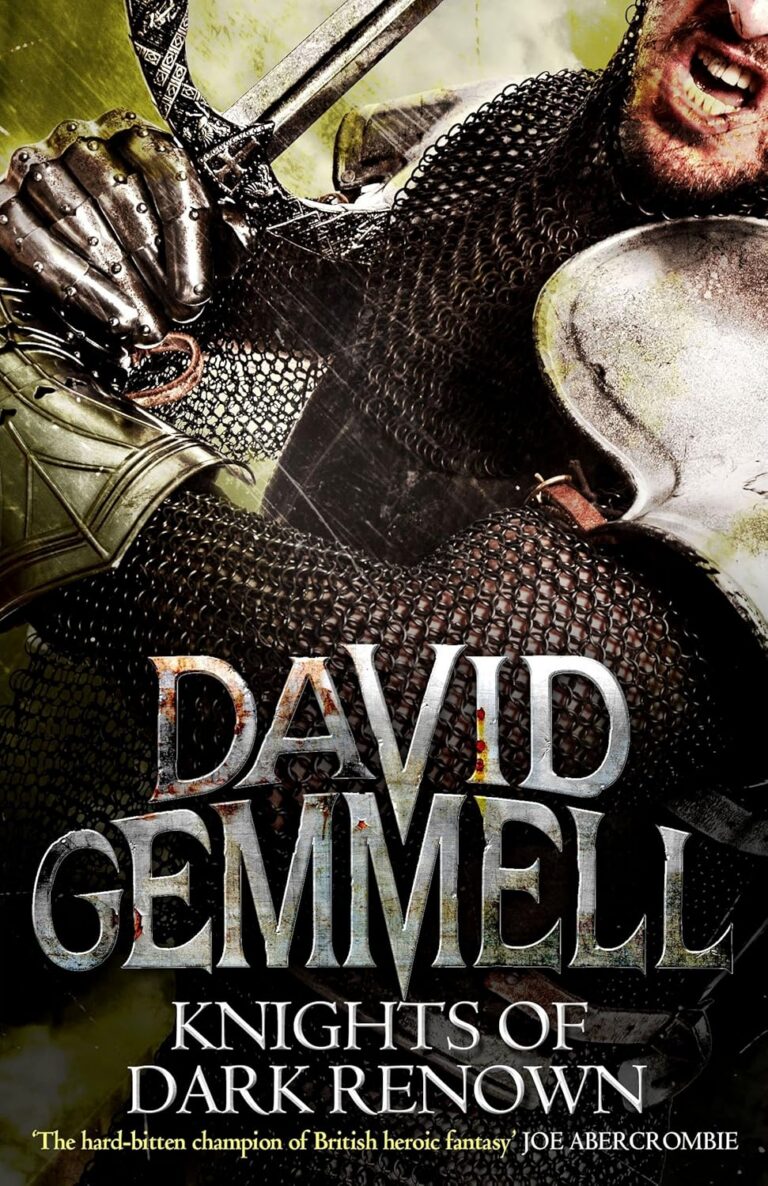
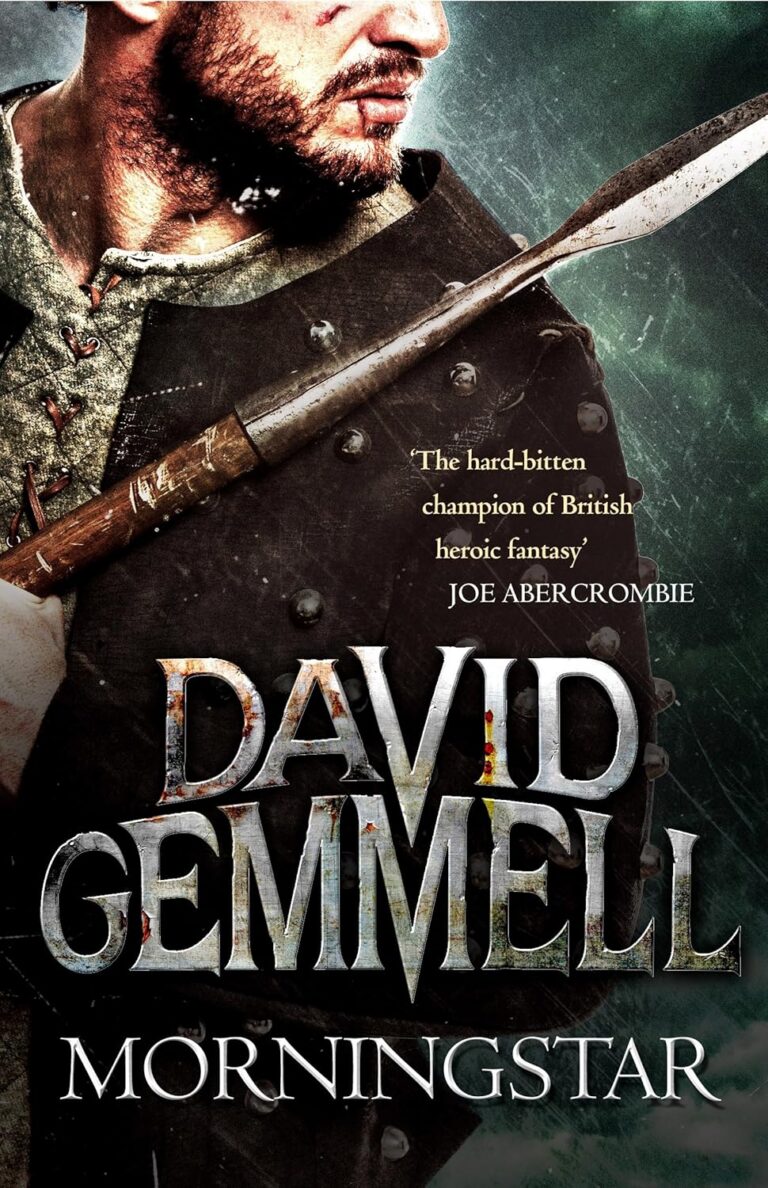
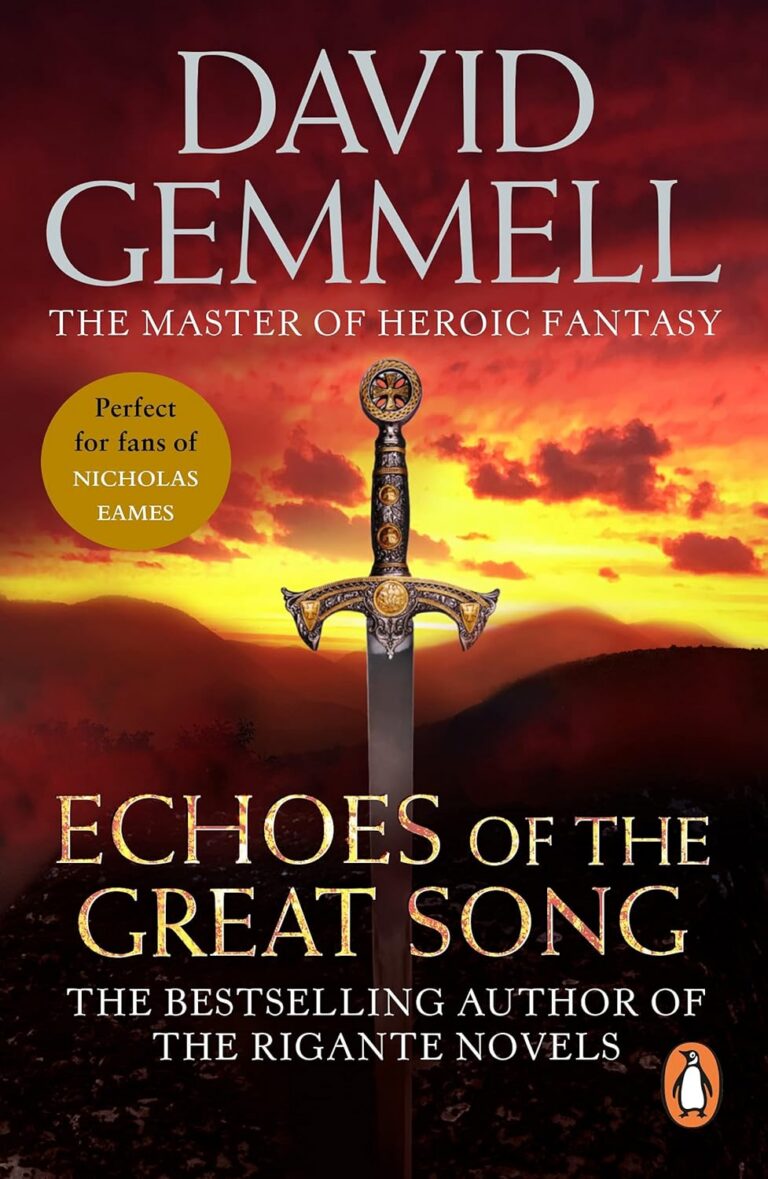
Gemmell’s largest body of work is the Drenai Saga, which includes Legend, The King Beyond the Gate, Waylander, Quest for Lost Heroes, The First Chronicles of Druss the Legend and numerous related novels set across different generations of the same imagined world. The Rigante series draws more visibly upon Celtic and Scottish history, following successive generations through tribal warfare, conquest and resistance, while the Jon Shannow books place a gunslinger-like protagonist in a post-apocalyptic landscape. His Stones of Power novels mix Arthurian, biblical and legendary material, and other books such as Knights of Dark Renown, Morningstar and Echoes of the Great Song develop similar themes in self-contained fantasy worlds. Gemmell came closest to historical fiction in Lion of Macedon and Dark Prince, which reimagine the world of ancient Greece through the career of Parmenion and the rise of Alexander the Great, blending recognisable historical people and conflicts with supernatural elements. His final project, the Troy trilogy—Lord of the Silver Bow, Shield of Thunder and Fall of Kings—reworks the legends of the Trojan War as a more grounded world of Bronze Age kingdoms, trade, warfare and political rivalry, while retaining legendary figures such as Priam, Hector and Odysseus. Gemmell died before completing the final volume, which was finished by his wife, Stella Gemmell, from his notes and manuscript. Although his work frequently borrows from real historical cultures, personalities and legends, its supernatural elements and invented settings mean that he is best regarded primarily as a fantasy author with a strong historical influence, rather than as a conventional historical novelist.



 Henry Treece
35 books
Henry Treece
35 books
 Gillian Bradshaw
20 books
Gillian Bradshaw
20 books
 Mary Stewart
20 books
Mary Stewart
20 books