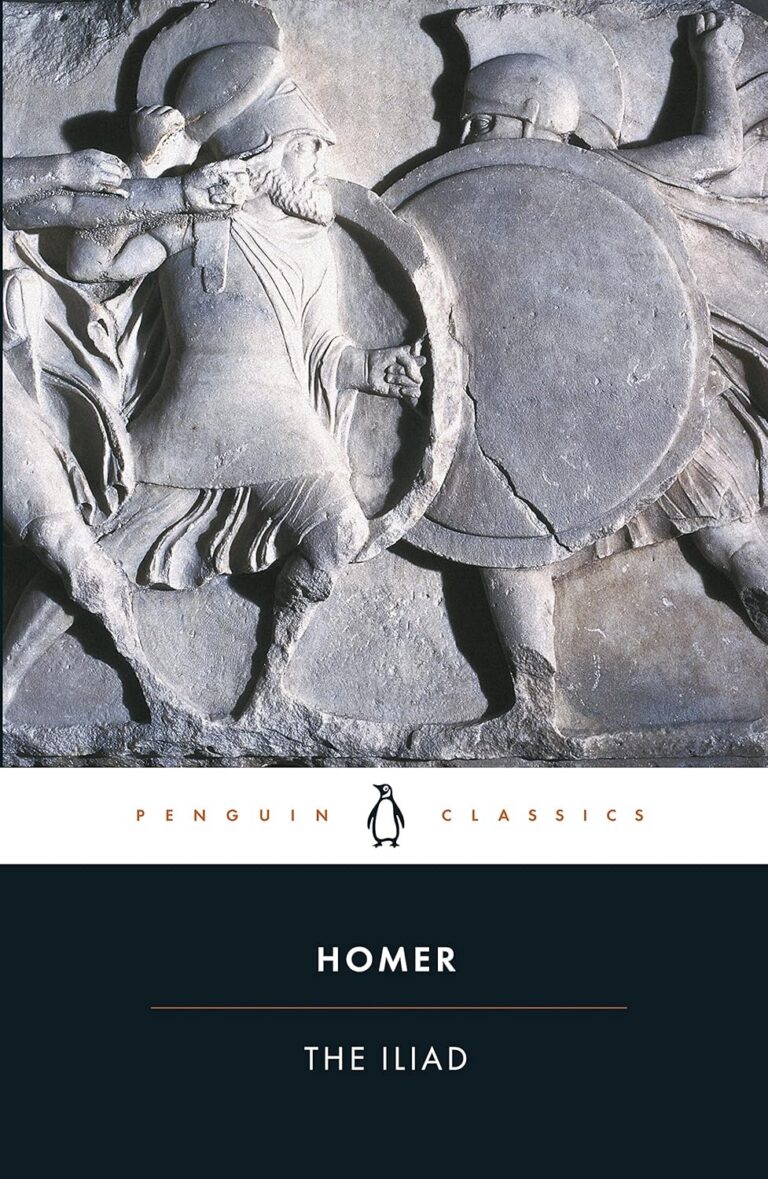
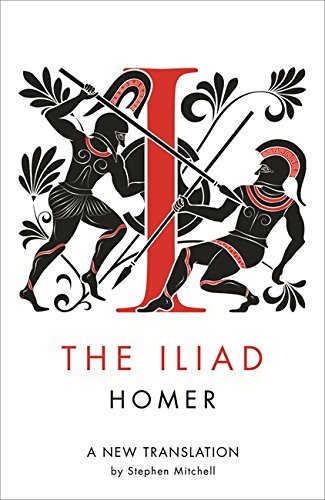
Hector was the foremost Trojan warrior in Homer’s Iliad and the principal defender of Troy. The eldest son of King Priam and Queen Hecuba, he leads the Trojan forces against the Greeks and carries the burden of protecting both his family and his city. Unlike warriors motivated primarily by personal glory, Hector repeatedly fights from a sense of duty. His farewell to his wife Andromache and their young son Astyanax reveals his awareness that Troy may fall and that his family will suffer. After killing Patroclus, Hector is pursued and killed by Achilles outside the city walls.
In ancient literature, Hector is presented as both a formidable warrior and a tragic representative of a doomed community. The Iliad contrasts his public responsibilities with his private fears, particularly in his encounters with Andromache, Paris and Priam. Although Hector briefly flees from Achilles, he finally turns to face him, knowing that death is almost certain. Achilles subsequently drags his body behind his chariot, but the gods preserve it until Priam successfully begs for its return.
Homer’s The Iliad makes Hector the principal defender of Troy: he drives the Greeks back while Achilles is absent, kills Patroclus and is finally slain by Achilles before Priam recovers his body for burial. Madeline Miller’s The Song of Achilles keeps Hector largely on the opposing side of Patroclus and Achilles, but his killing of Patroclus is the event that destroys Achilles’s withdrawal from the war. Marion Zimmer Bradley’s The Firebrand places Hector within Cassandra’s doomed royal family and treats his defence of Troy from the viewpoint of the women who will survive him. Euripides’ The Trojan Women and Other Plays begins in the world left after Hector’s death, especially through Andromache and the fate of his son Astyanax. David Gemmell’s Troy: Fall of Kings returns him to the final military defence of the city as the long siege closes around Priam’s house.