c. 3100–30 BCE
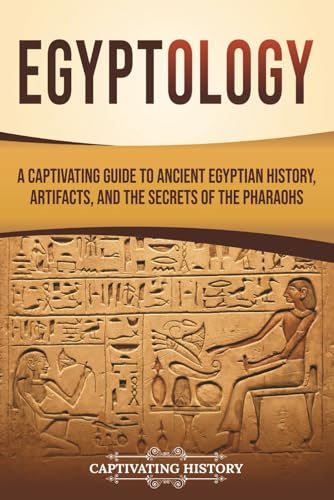
Ancient Egypt developed along the Nile and lasted for more than three thousand years under changing dynasties, kingdoms and foreign rulers. It is associated with pharaohs, pyramids, temples, tombs, scribes, priests, soldiers, farmers and the religious imagination of the afterlife. Its history moves from early kingship through the Old, Middle and New Kingdoms to Late, Ptolemaic and Roman Egypt.
Egypt matters because it was one of the longest-lasting and most visually recognisable ancient civilisations. Its power depended on the Nile, royal ideology, monumental building, religious authority and periods of military expansion or foreign rule. The tension between continuity and disruption gives Egyptian history its distinctive shape.
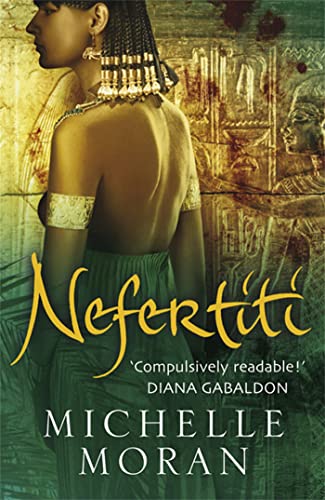
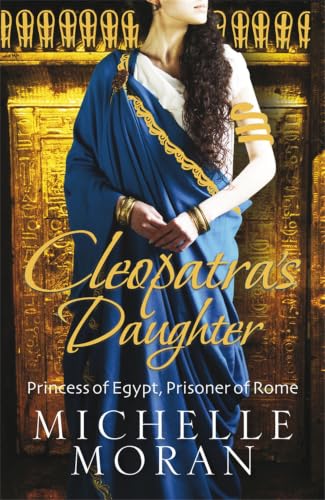
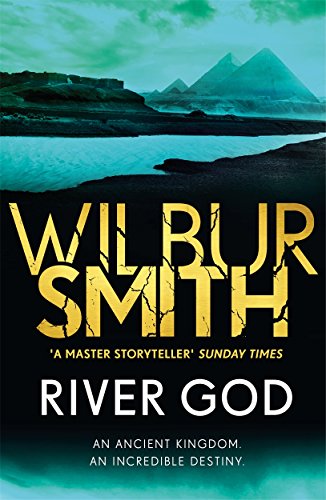
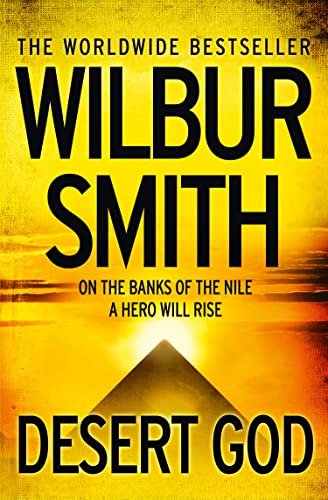
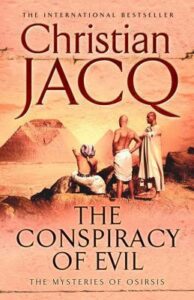
Ancient Egypt has a strong body of historical fiction, including Christian Jacq’s Ramses novels, Pauline Gedge’s Egyptian books, Wilbur Smith’s River God sequence, Michelle Moran’s Nefertiti and Cleopatra’s Daughter, and Mika Waltari’s The Egyptian.