reigned c. 1555–1550 BCE
Kamose was the last ruler of Egypt’s Seventeenth Dynasty, reigning from Thebes during the final phase of the Second Intermediate Period, probably around 1555–1550 BCE. Egypt was then politically divided: the Hyksos Fifteenth Dynasty controlled the north from Avaris, while the Theban dynasty ruled Upper Egypt and faced a Kushite power to the south. Kamose followed Seqenenre Tao, whose violent death is often connected with the same conflict, and chose to renew offensive war against the Hyksos rather than accept a divided political order.
Royal stelae from Kamose’s reign present his northern campaign as an assault on Hyksos territory and describe the interception of communications between the Hyksos ruler Apepi and the ruler of Kush. Kamose advanced through Middle Egypt and attacked important centres, but he did not complete the expulsion of the Hyksos. That achievement belonged to his successor Ahmose I, who inaugurated the Eighteenth Dynasty and the New Kingdom. Because the evidence is chiefly royal inscription, Kamose’s exact family relationships, age and personal motives remain much less certain than the military programme proclaimed in the texts.
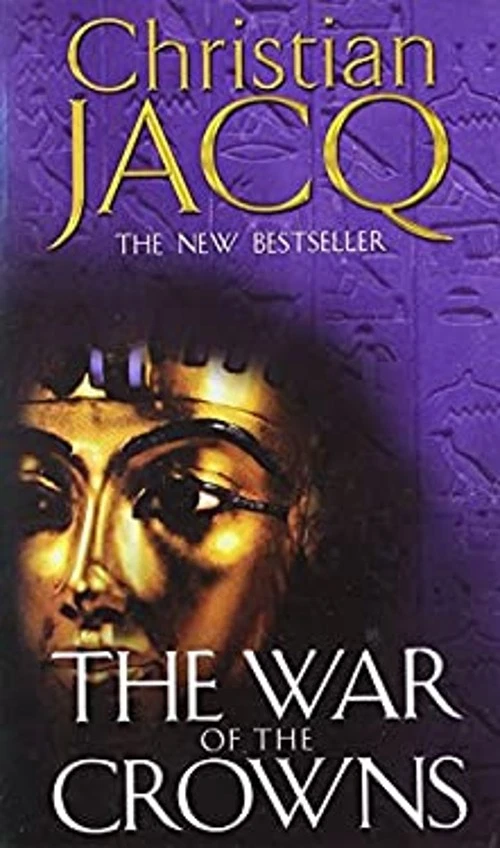
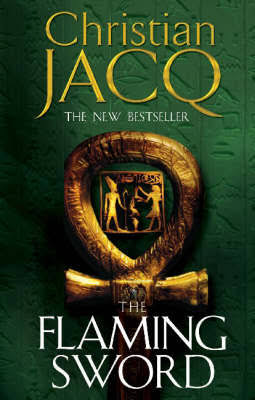
Pauline Gedge’s The Hippopotamus Marsh and The Oasis give Kamose a major role in the Theban royal family’s war, with The Oasis concentrating directly on his succession and campaigns. Christian Jacq’s The Empire of Darkness, The War of the Crowns and The Flaming Sword place him within a broader fictional trilogy about Ahhotep and the liberation of Egypt. All five novels expand sparse royal evidence into detailed personalities and family relationships.