Julius Caesar was a Roman general, politician and author whose career helped bring the Roman Republic to an end. He rose through the republican magistracies, formed a political alliance with Pompey and Crassus, and won extraordinary military prestige through his conquest of Gaul between 58 and 50 BCE.
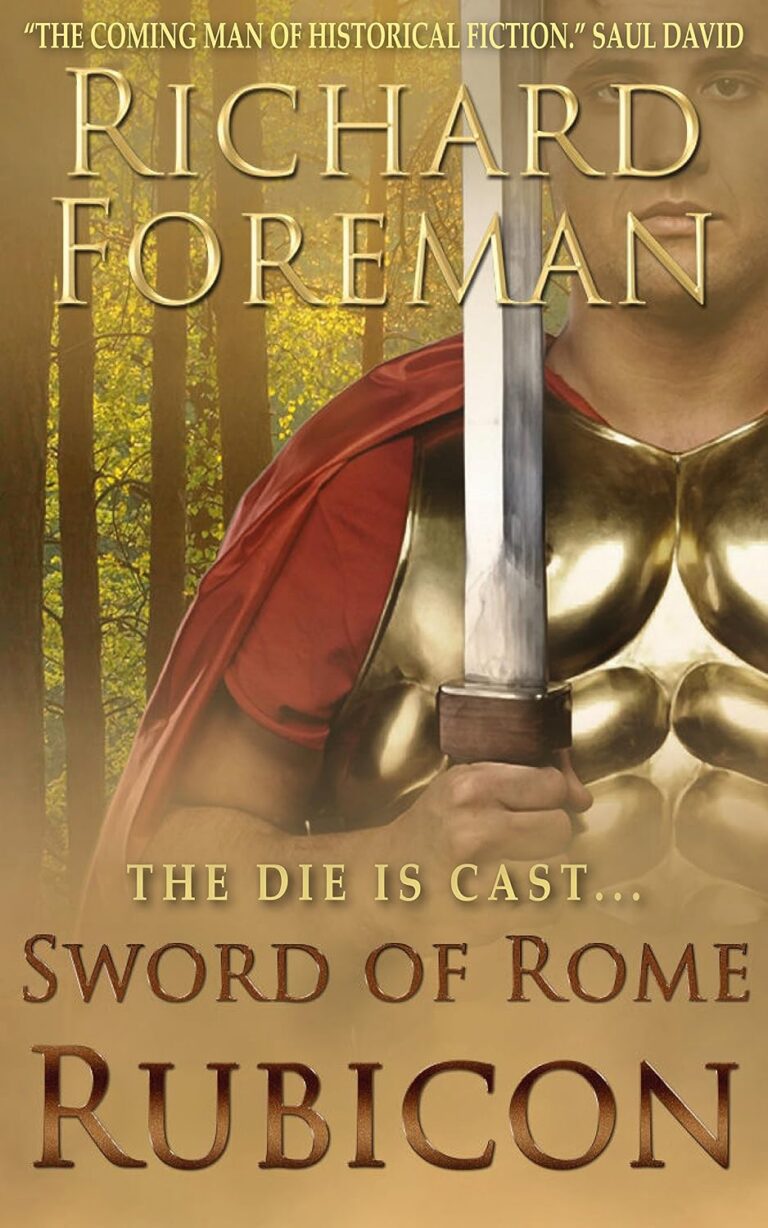
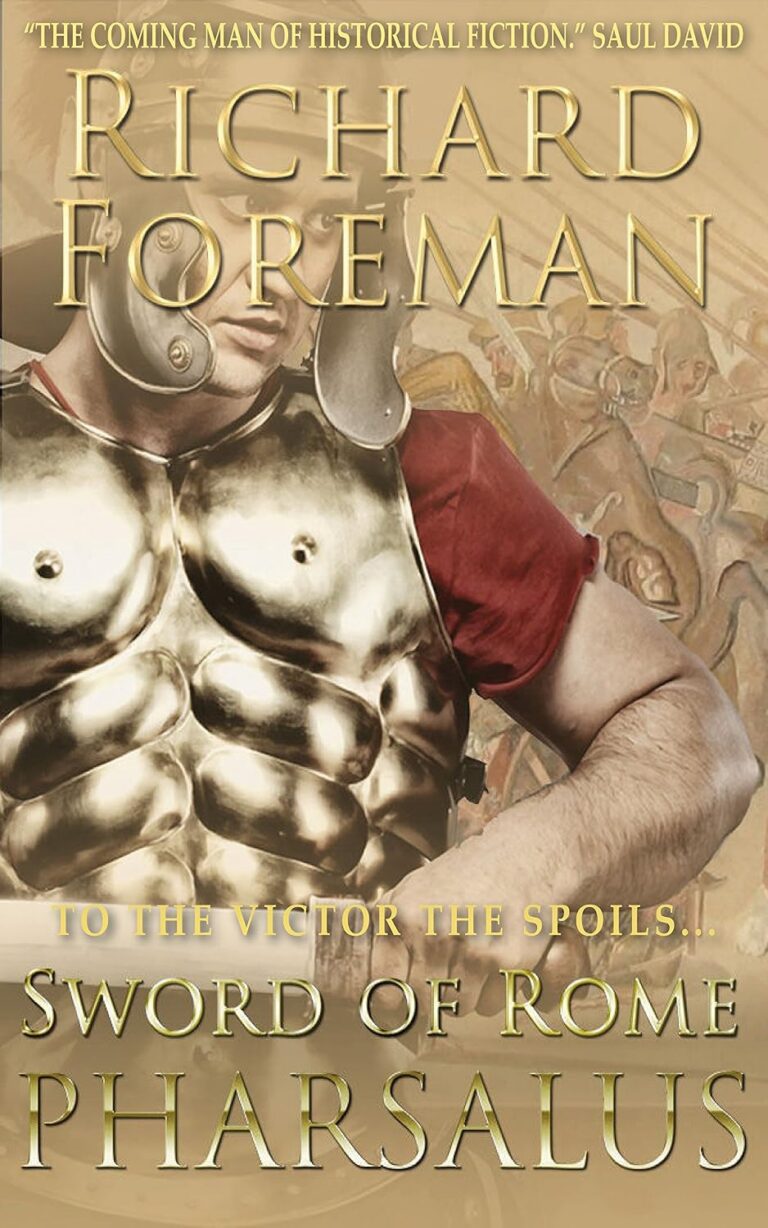
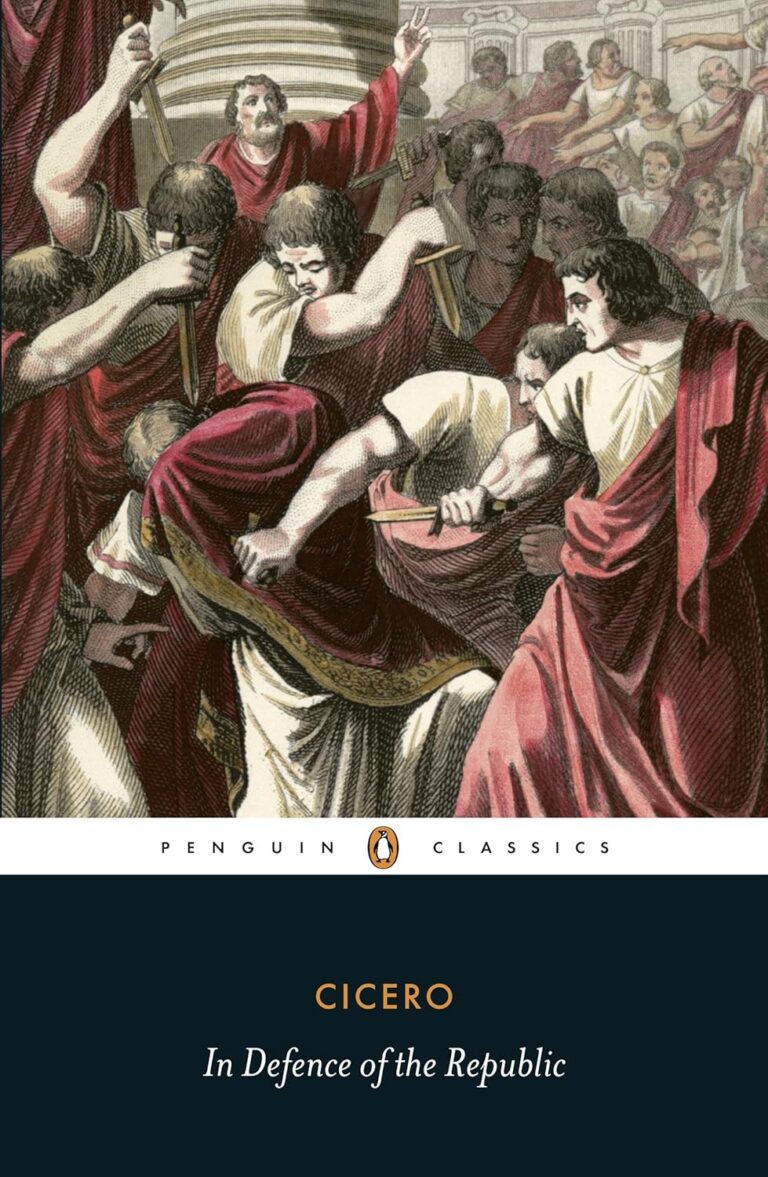
Caesar’s decision to cross the Rubicon in 49 BCE began a civil war that ended with Pompey’s defeat and Caesar’s emergence as dictator. He introduced wide-ranging political and administrative reforms, including the Julian calendar, but the concentration of power in his hands provoked fierce opposition. He was assassinated by a group of senators on the Ides of March in 44 BCE, triggering further civil wars.
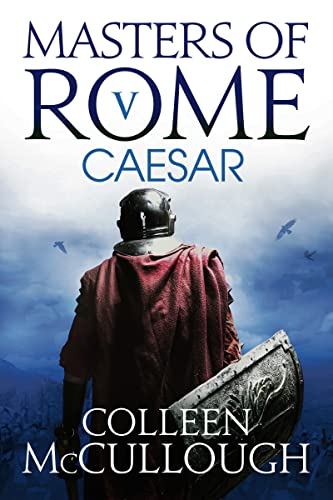
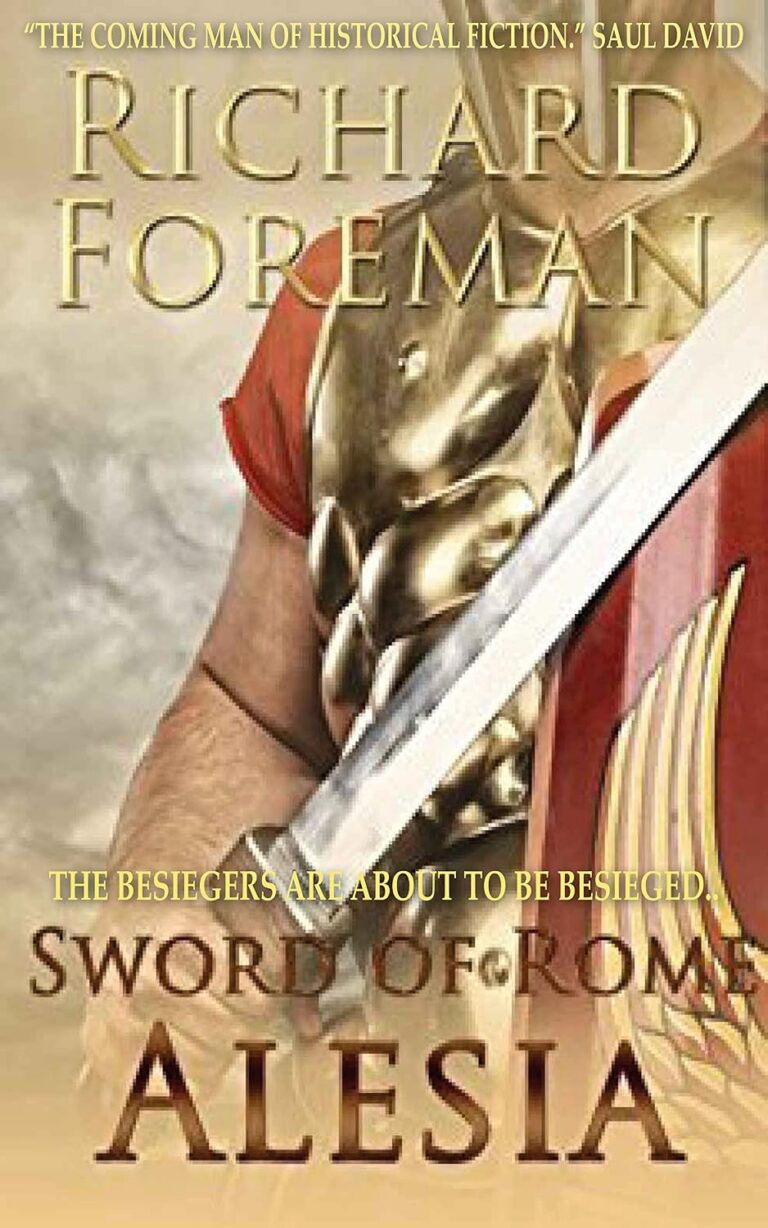
Adrian Goldsworthy’s Augustus follows Octavian from the assassination of Julius Caesar through civil war, alliance with Antony and the creation of a monarchy that could still present itself as a restored republic. In Colleen McCullough’s Caesar, Julius Caesar commands an experienced army and uses conquest, clemency and relentless campaigning to secure wealth and prestige beyond the Alps. Rebellion under Vercingetorix culminates in the siege of Alesia, where Caesar’s legions confront both a trapped army and a vast relief force. Victory makes him Rome’s most formidable commander, but the deaths of Julia and Crassus remove the personal ties that had held his alliance with Pompey together. Further fictional perspectives on Julius Caesar can be found in Shakespeare’s Julius Caesar. For broader historical treatment of Julius Caesar, see Richard Woodman’s Caesar’s Gallic Triumph, Antonia Fraser’s Cleopatra, Lindsay Powell’s Cleopatra Queen of Egypt, and Mary Beard’s Emperor of Rome.