The Wars of Alexander the Great began when Alexander crossed into Asia Minor in 334 BC. Over the next decade he defeated Persian armies, captured cities, took Egypt, conquered Mesopotamia and Persia, and campaigned through Central Asia into India. These campaigns created one of the largest empires of the ancient world.
The wars mattered because they ended the Achaemenid Empire and spread Greek and Macedonian power far beyond the Aegean. They also placed huge strain on Alexander’s army, court, and identity. Conquest created new opportunities but also mutiny, cultural tension, succession problems, and violence among companions.
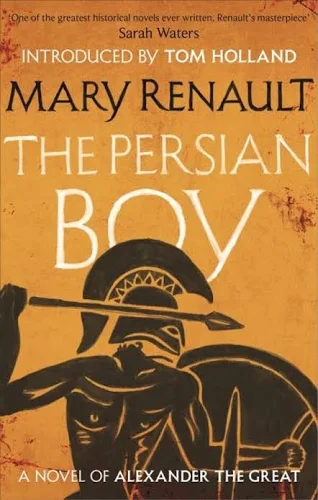
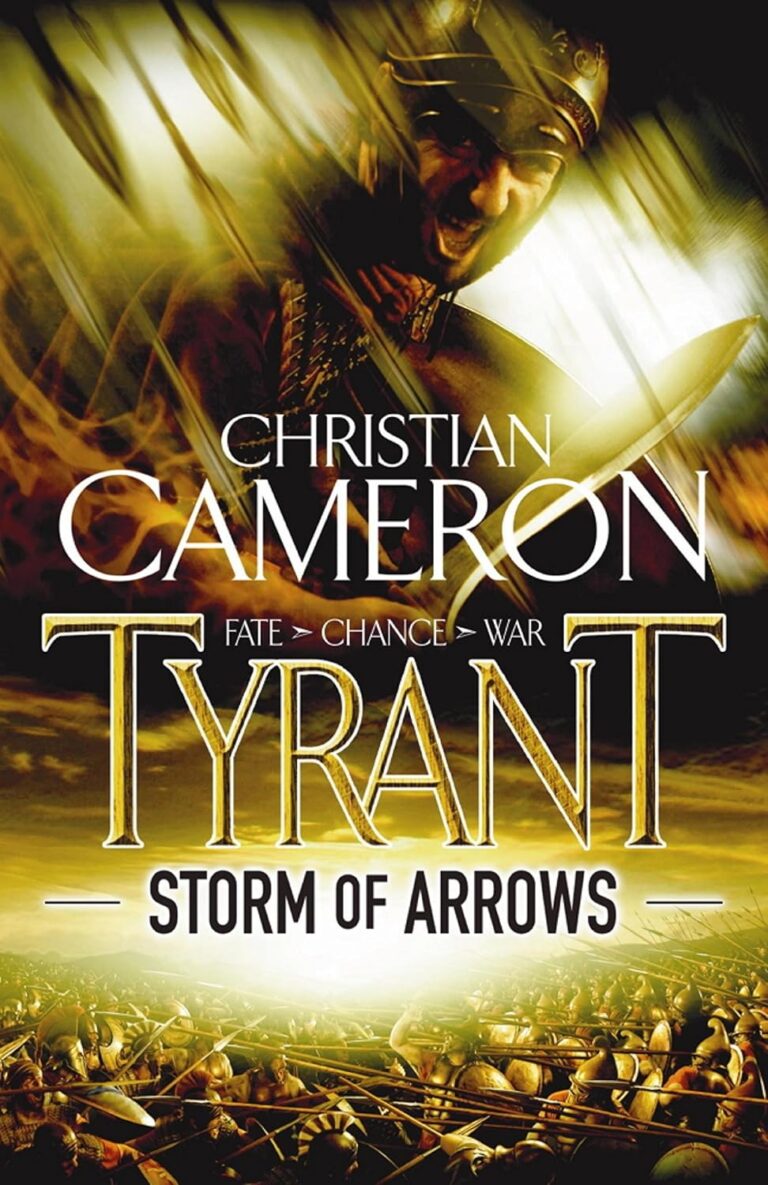
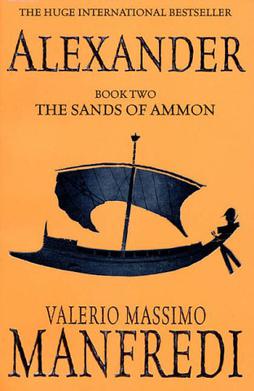
Mary Renault and Valerio Massimo Manfredi are the key authors for Alexander’s campaigns, while Christian Cameron’s work explores the successor age that followed. Conn Iggulden’s Alexander fiction also fits this broad campaign arc. The wars support long series about marching armies, royal courts, siegecraft, companions, Persian nobles, Egyptian priests, frontier warfare, and soldiers who realise conquest has no obvious end.