
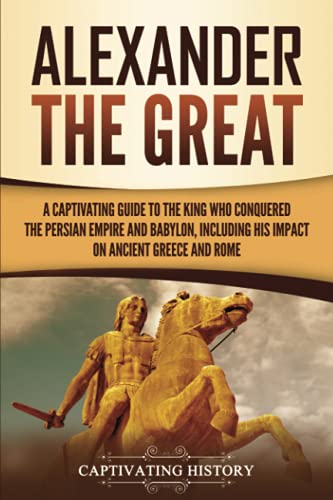
1. Alexander the Great
Alexander the Great is a concise historical biography focused on the King Who Conquered the Persian Empire and Babylon, Including His Impact on Ancient Greece and Rome. It follows the subject’s rise, exercise of power and involvement in the defining political, military and religious struggles of…
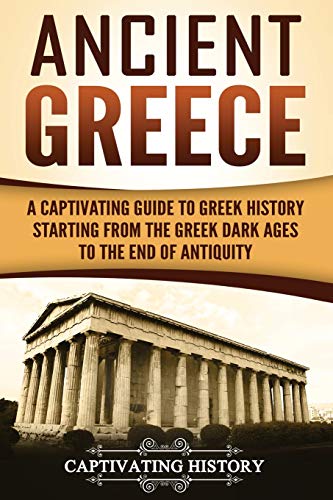
2. Ancient Greece
Ancient Greece traces Greek history from the centuries after the collapse of the Mycenaean world through the rise of the city-states and into the Hellenistic and Roman periods. It covers political experiments in Athens and Sparta, warfare, religion, philosophy, art and literature, as well as the…
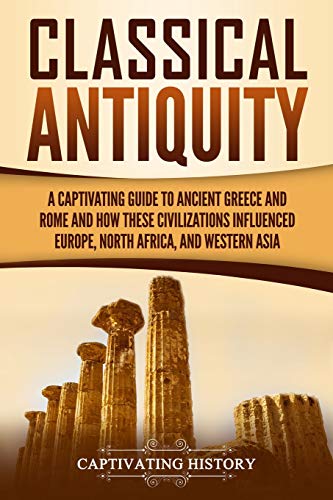
3. Classical Antiquity
Classical Antiquity provides a broad history of the Greek and Roman worlds and the cultures with which they interacted. It moves from the rise of the Greek city-states through the Hellenistic kingdoms to the Roman Republic and Empire, covering politics, warfare, religion, philosophy, art and everyday…
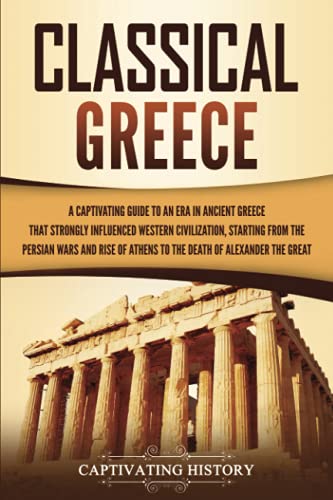
4. Classical Greece
Classical Greece focuses on the fifth and fourth centuries BC, from the Persian invasions and the rise of Athenian power to the Macedonian dominance of Philip II and Alexander the Great. It examines democracy, empire, philosophy, drama and warfare alongside the rivalry between Athens and Sparta.…
5. Minoans
Minoans introduces the Bronze Age civilisation centred on Crete and associated with the palace complexes of Knossos, Phaistos and other sites. It examines seaborne trade, art, religion, architecture and the still partly undeciphered writing systems used on the island. The book also considers relations with Mycenaean…
6. Spartans
Spartans explores the society and military system of ancient Sparta, from the training of citizen warriors to the political institutions that governed the state. It examines the helot population on which Spartan life depended, the dual kingship and the alliances that supported Spartan power. The book…
7. The Battle of Thermopylae
The Battle of Thermopylae recounts the stand made in 480 BC by a Greek force led by King Leonidas of Sparta against the invading army of Xerxes I. It explains the wider Persian campaign, the strategic value of the pass and the alliance of Greek city-states…
8. The Greco-Persian Wars
The Greco-Persian Wars recounts the conflicts between the Achaemenid Persian Empire and the Greek city-states in the early fifth century BC. It follows the Ionian Revolt, Marathon, Xerxes’ invasion, Thermopylae, Salamis and Plataea, explaining the different strengths of Persian imperial forces and the often-fractious Greek alliance.…
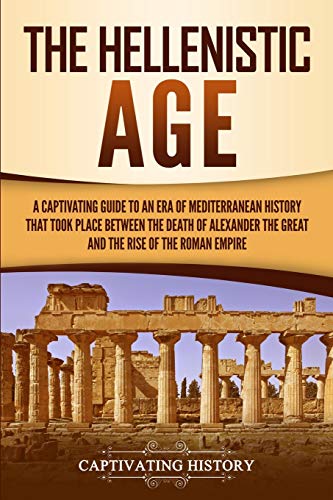
9. The Hellenistic Age
The Hellenistic Age follows the Greek-speaking world from the death of Alexander the Great in 323 BC to the expansion of Roman power across the eastern Mediterranean. It examines the successor kingdoms of the Ptolemies, Seleucids and Antigonids, their wars and court politics, and the growth…
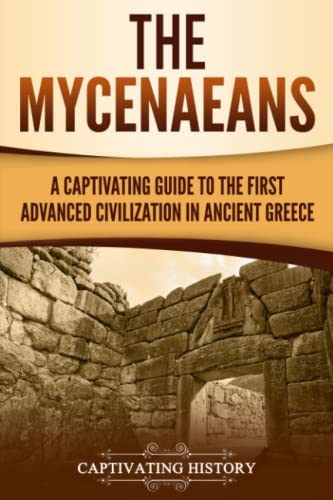
10. The Mycenaeans
The Mycenaeans examines the Bronze Age civilisation that flourished on mainland Greece before the classical city-states. It explores palace centres such as Mycenae and Pylos, Linear B records, warrior elites, trade and religious practice, while considering links with Crete and the wider eastern Mediterranean. The book…
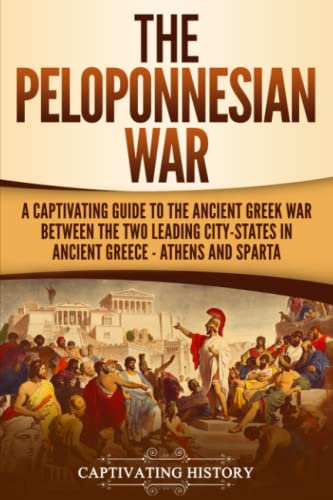
11. The Peloponnesian War
The Peloponnesian War recounts the long fifth-century BC struggle between Athens, Sparta and their respective allies for dominance in the Greek world. It follows the Archidamian War, the uneasy Peace of Nicias, the disastrous Athenian expedition to Sicily and the final Spartan victory. The book examines…