c. 495–429 BCE
Pericles was an Athenian statesman and general who dominated the political life of Athens for much of the mid-fifth century BCE. Born into the aristocratic Alcmaeonid family, he built influence through democratic institutions rather than hereditary office and was repeatedly elected strategos. His leadership coincided with the expansion of Athenian power through the Delian League and with an ambitious public building programme that included the Parthenon and other monuments on the Acropolis.
Pericles supported policies that broadened participation among male citizens, including payment for some public service, while the Athenian empire extracted tribute and imposed its authority on allied communities. During the opening of the Peloponnesian War he avoided major land battles with Sparta and concentrated the population behind Athens’s walls while relying on naval power. The resulting overcrowding contributed to the devastation of the plague. Pericles lost family members in the epidemic and died in 429 BCE.
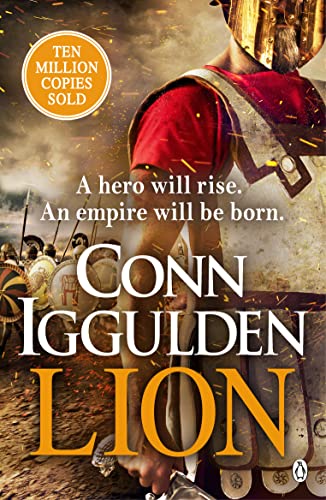
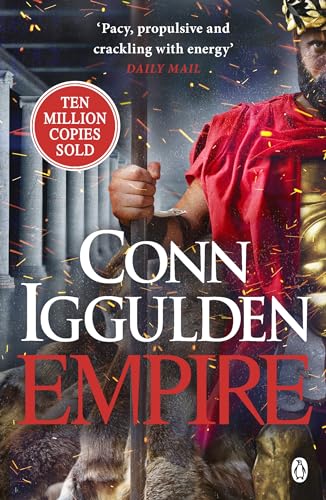
Conn Iggulden’s Lion follows Pericles as a young aristocrat emerging from the shadow of his father Xanthippus and competing for military and political influence in an Athens transformed by victory over Persia. Empire presents the mature statesman at the height of Athenian power, defending an increasingly coercive naval empire while rivalry with Sparta pushes Greece towards the Peloponnesian War. Mary Beard’s The Parthenon connects Pericles directly to the building programme on the Acropolis and to the imperial wealth and democratic politics that made the temple possible. Plutarch’s The Rise and Fall of Athens gives Pericles a biographical treatment among the leading figures of classical Athens, while Adrian Goldsworthy’s Athens and Sparta places his strategy and leadership inside the longer rivalry between the two city-states.