
Book
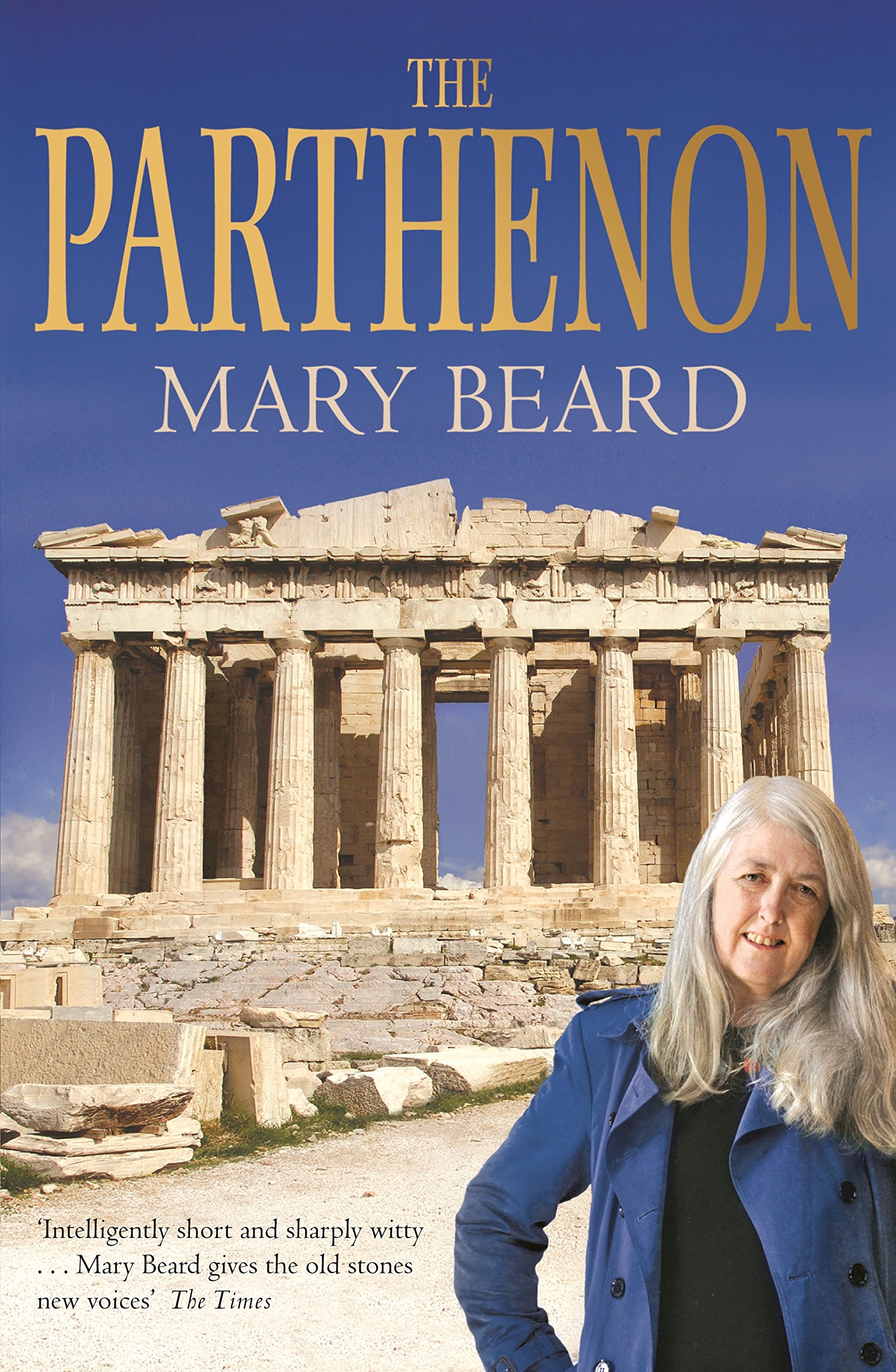
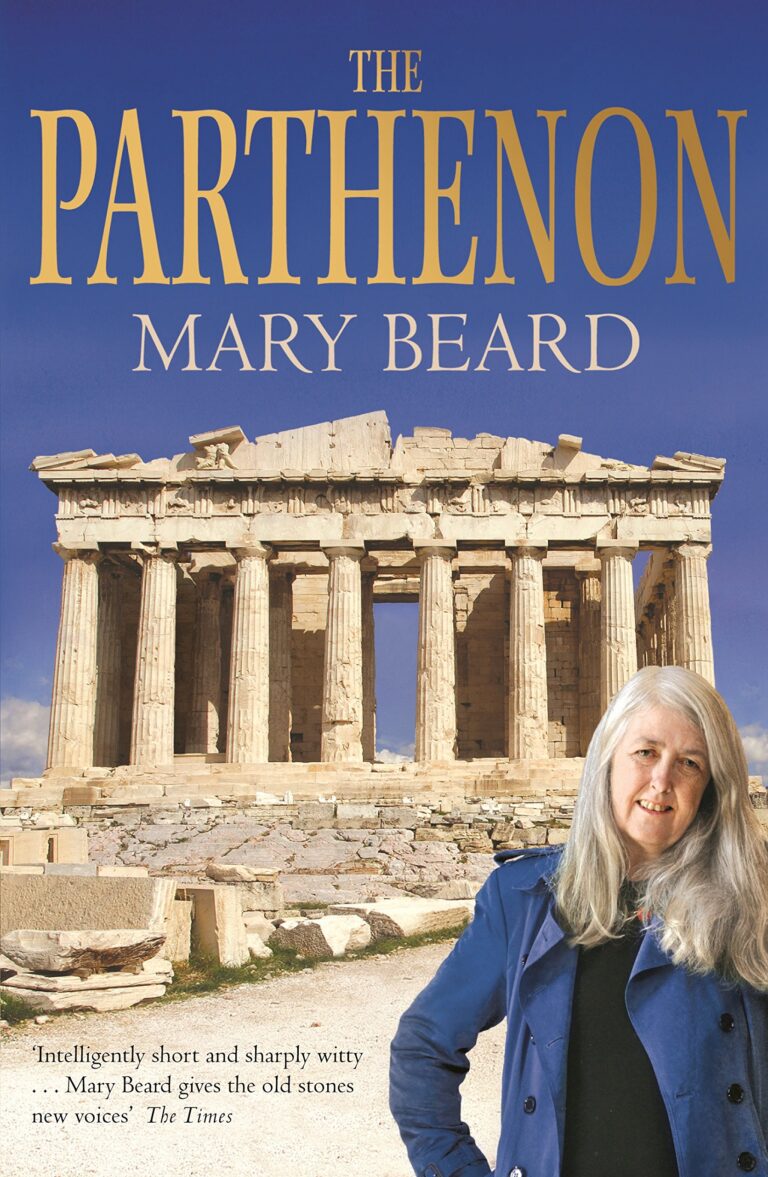
The Parthenon
First published 2002
The Parthenon begins with the fifth-century BCE temple of Athena built on the Athenian Acropolis during the ascendancy of Pericles. Mary Beard explains its architecture, sculpture and civic setting while questioning modern assumptions that it was always an isolated white-marble monument devoted solely to timeless beauty. The building formed part of an active sanctuary and a political landscape shaped by empire, democracy, religion and the wealth extracted from Athens’s allies.
Beard then follows the Parthenon through its later lives as a Christian church, an Ottoman mosque, a damaged ruin and an international emblem of classical civilisation. The Venetian bombardment of 1687, Lord Elgin’s removal of sculptures and the creation of modern museums turned the monument into a focus for arguments about national identity, archaeology and cultural ownership. The book shows that the Parthenon’s present meaning is the product of repeated alteration, destruction, reconstruction and dispute.
Historical Periods
Genres
Historical people
More from this period
5 more top-rated novels about Athenian Democracy
Ranked by rating and voting volume; books already shown on this page are omitted.
Discover more
Authors similar to Mary Beard
Recommended from shared genres and periods.
 Adrian Goldsworthy
12 books
Adrian Goldsworthy
12 books
 Lindsay Powell
 Livy
Livy
 Plutarch
 Cassius Dio