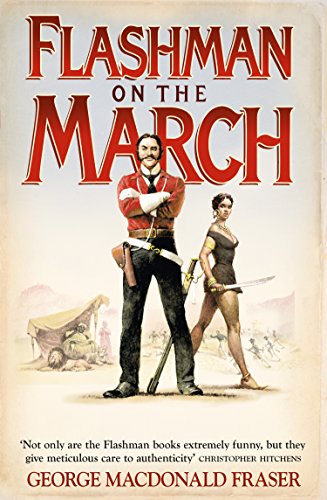
The Flashman Papers in Order
The Flashman Papers present the supposed memoirs of Sir Harry Paget Flashman, the bully expelled from Rugby School in Tom Brown’s School Days who becomes a decorated Victorian soldier despite being a coward, liar, opportunist and sexual predator. George MacDonald Fraser places this fictional witness inside documented nineteenth-century…
All books in this series
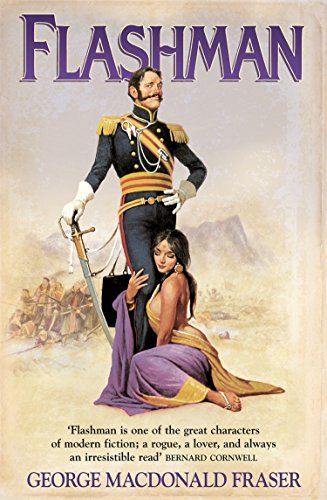
1. Flashman
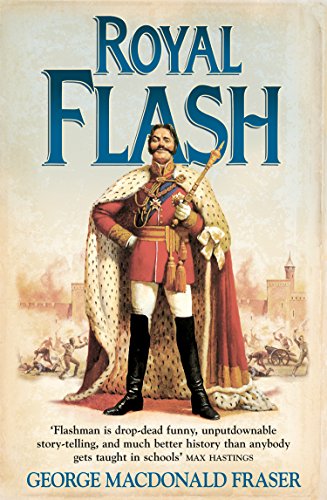
2. Royal Flash
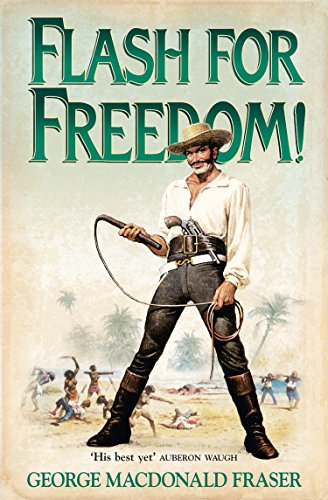
3. Flash for Freedom!
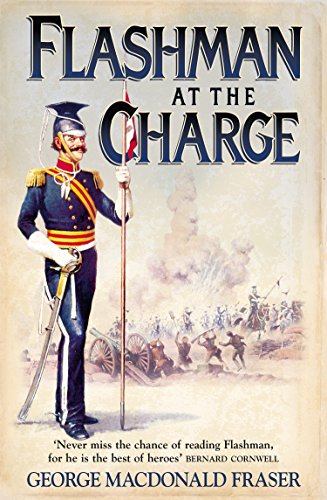
4. Flashman at the Charge
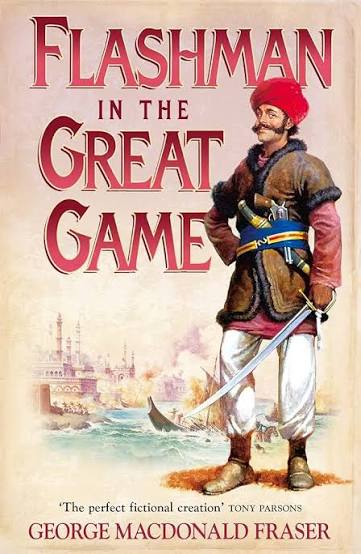
5. Flashman in the Great Game
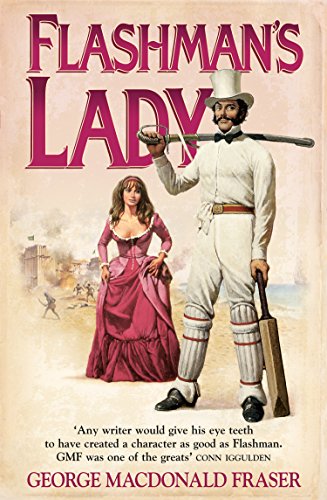
6. Flashman’s Lady
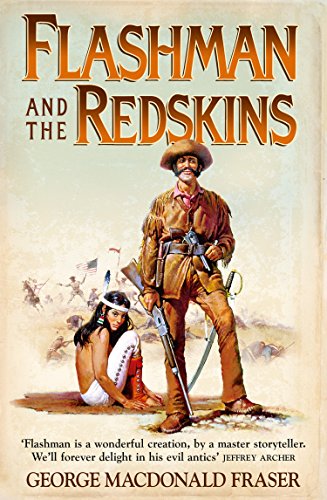
7. Flashman and the Redskins
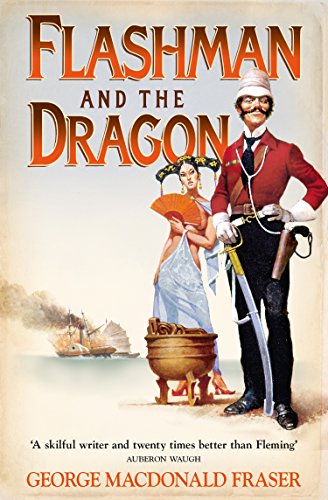
8. Flashman and the Dragon
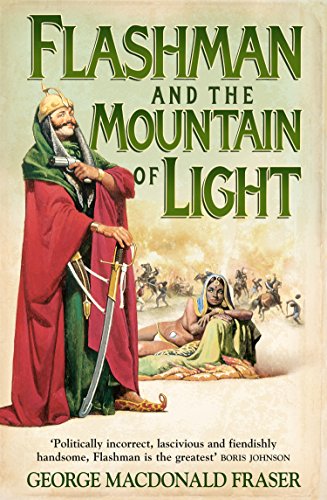
9. Flashman and the Mountain of Light
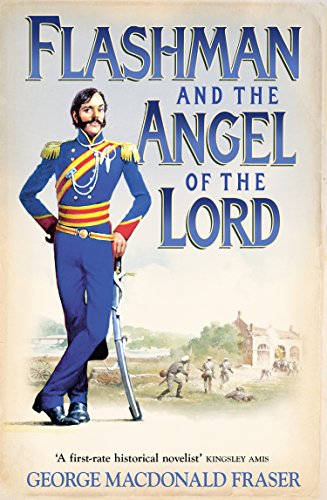
10. Flashman and the Angel of the Lord
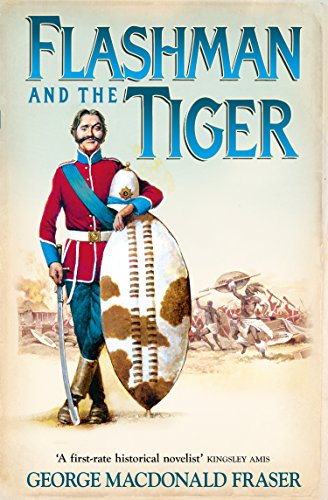
11. Flashman and the Tiger