Books




As an Amazon Associate I earn from qualifying purchases. Affiliate disclosure.
War
1857–1858 CE
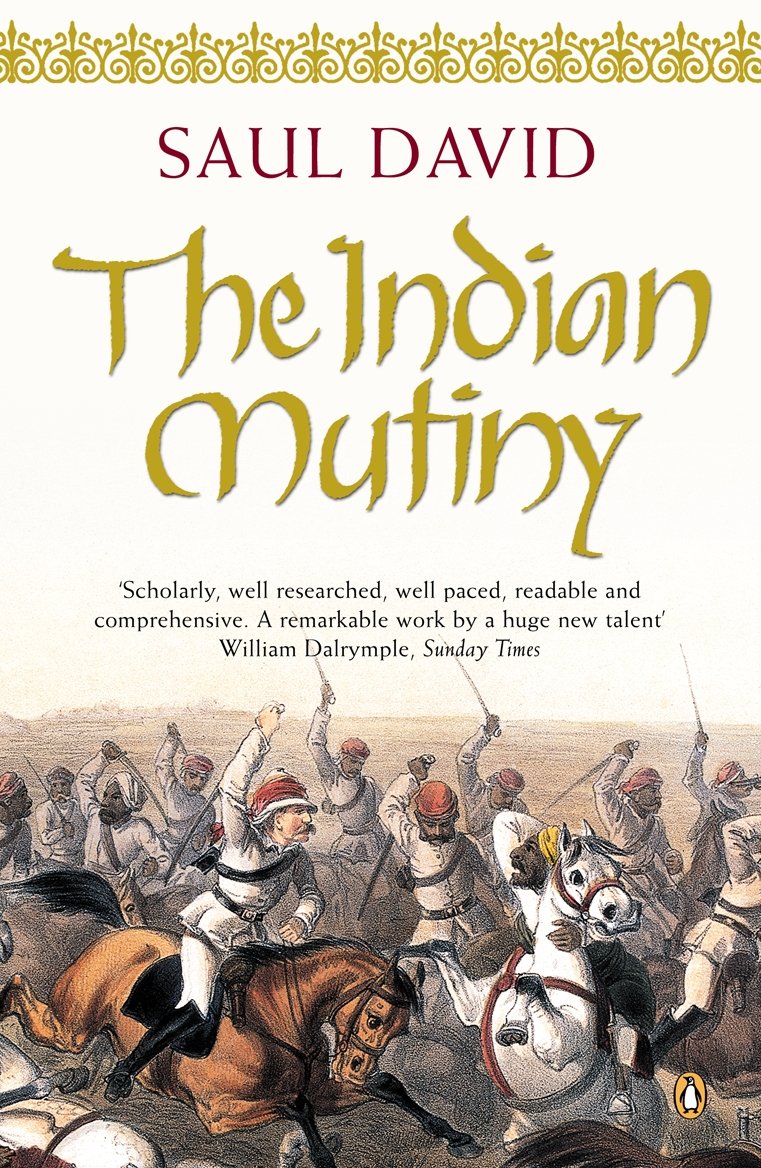
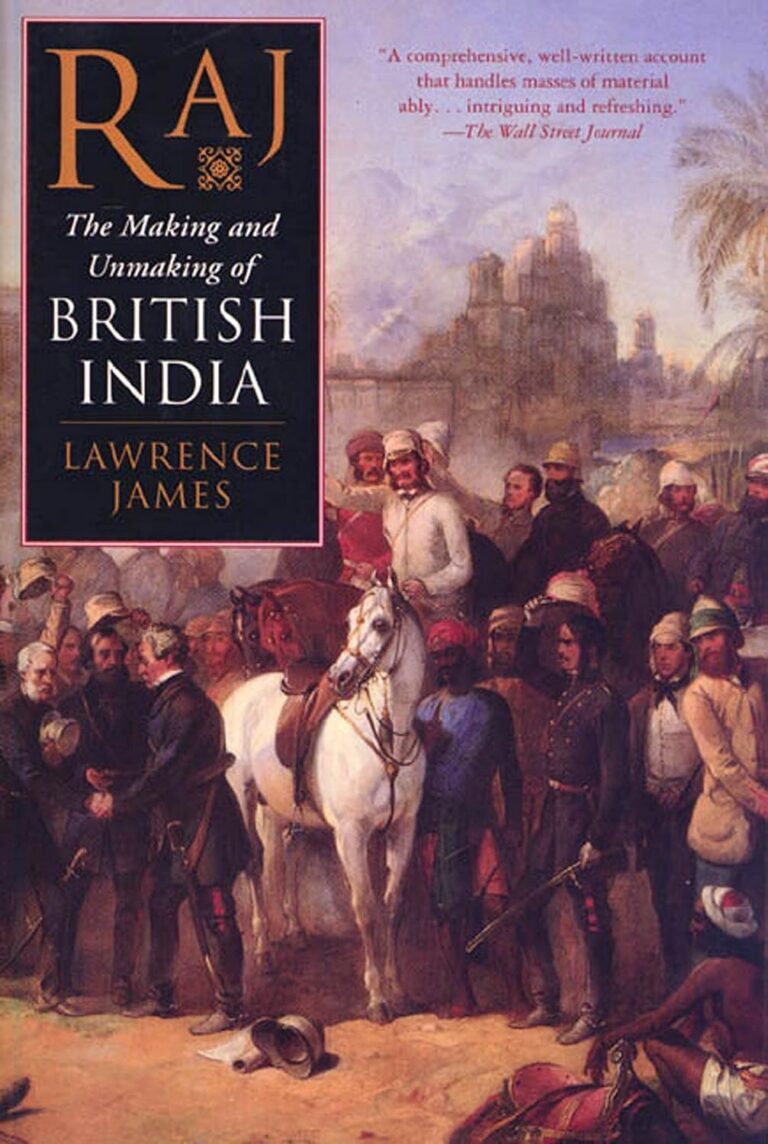
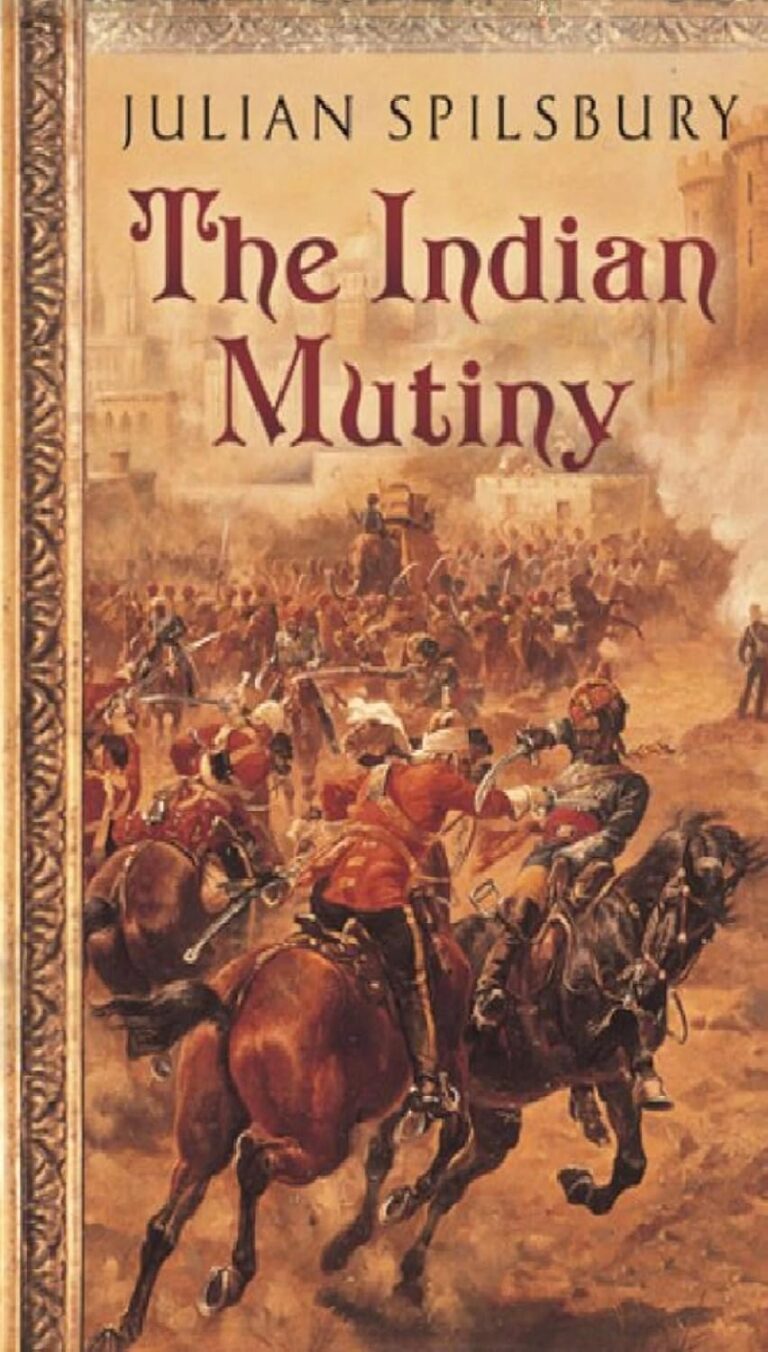
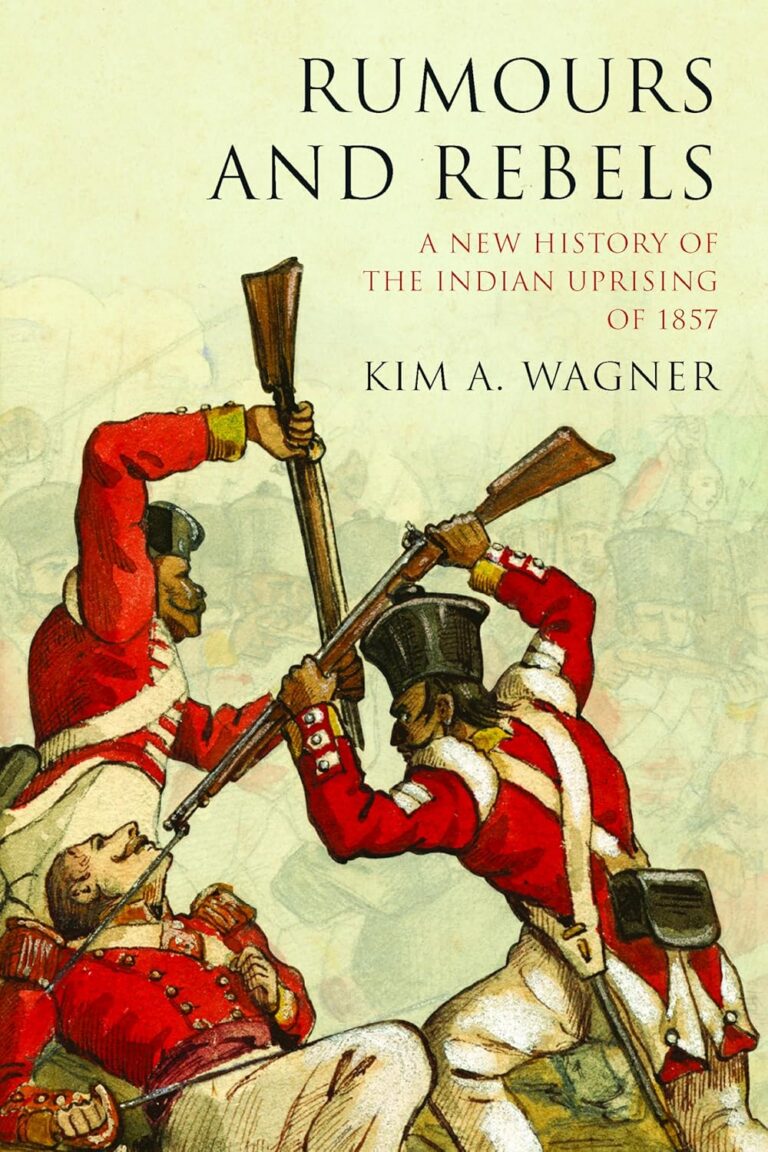
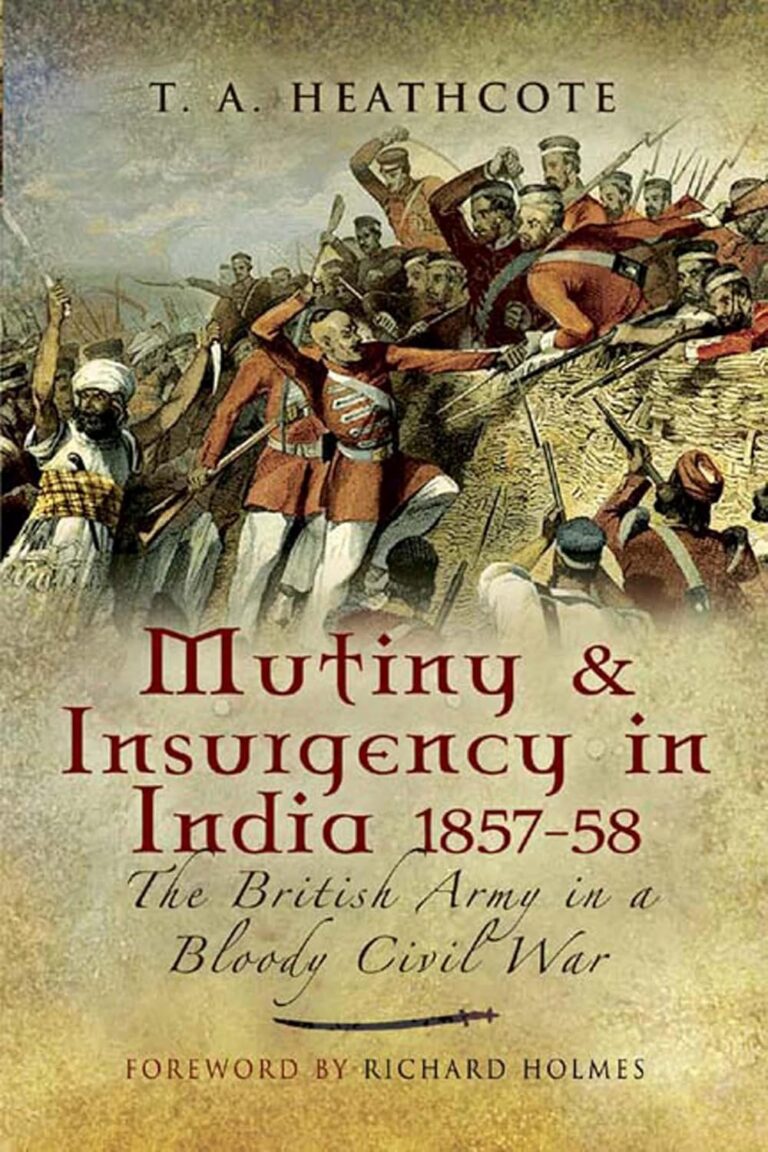
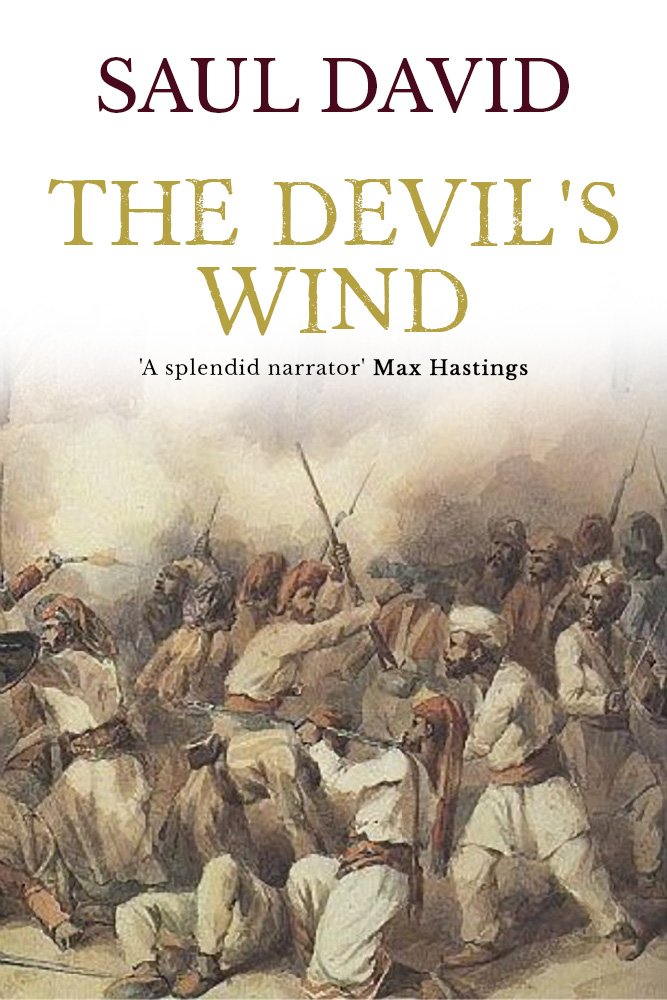
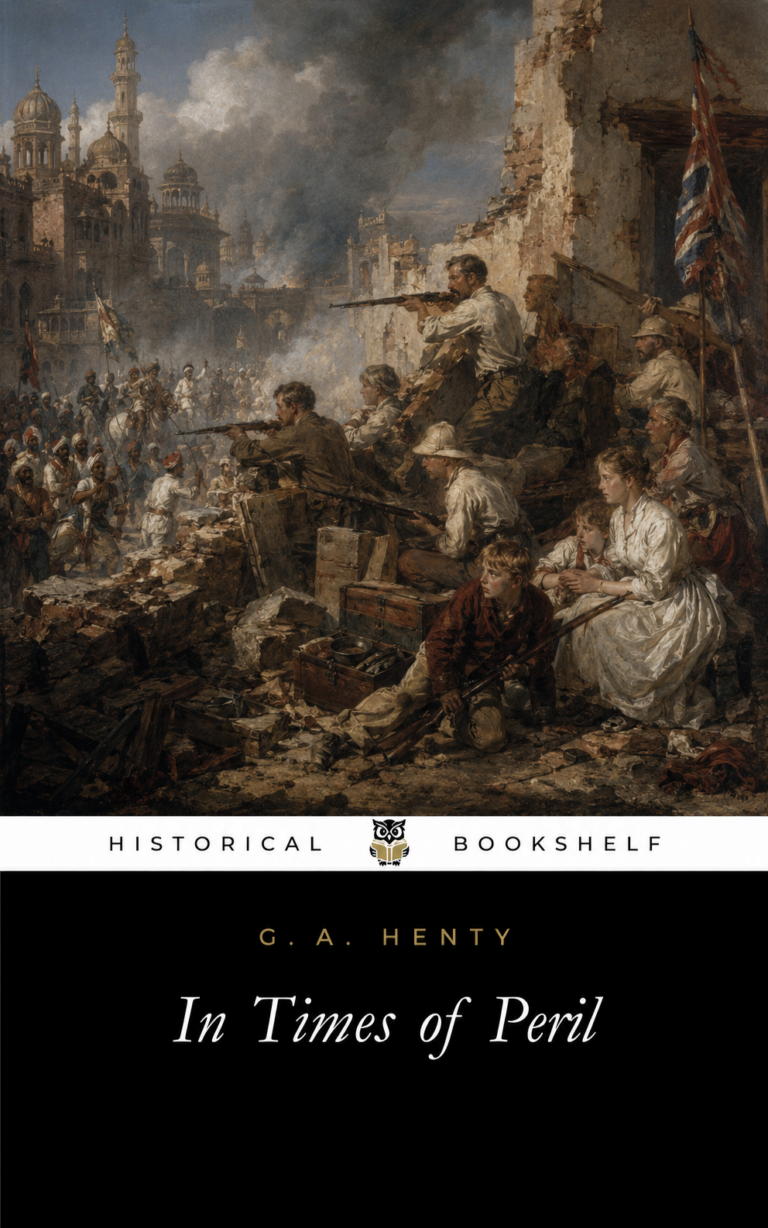
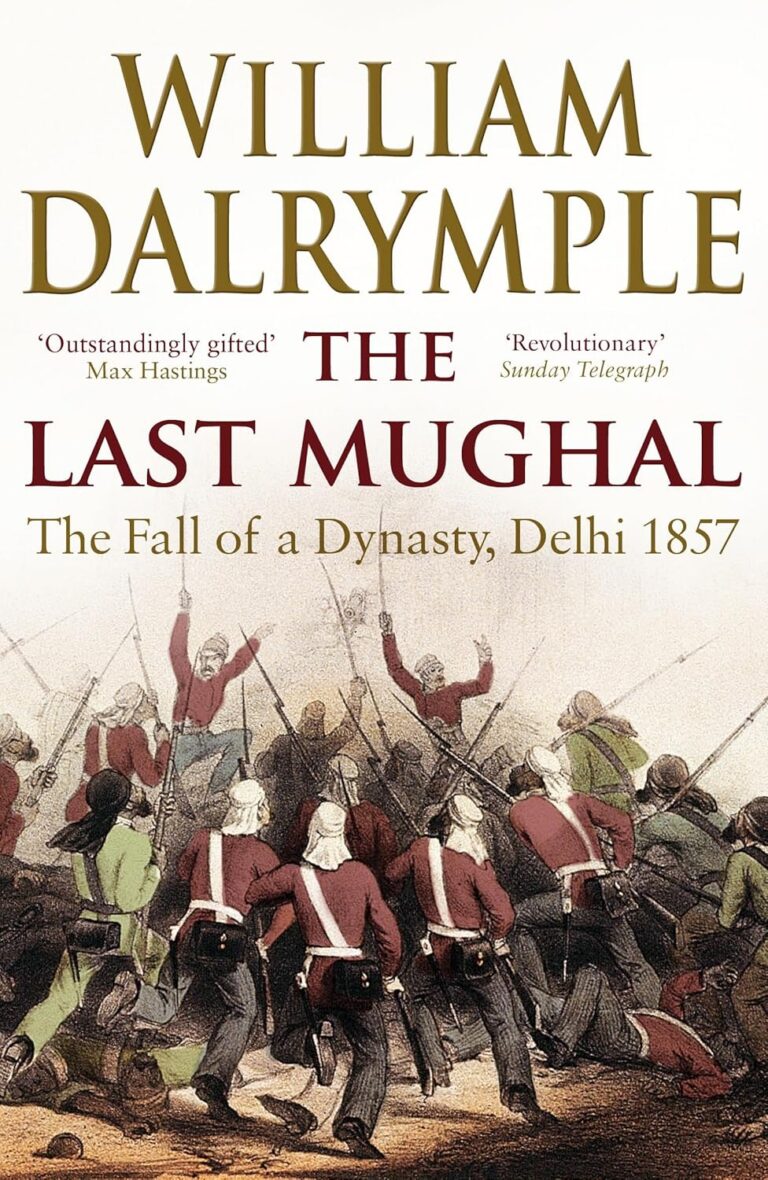
The Indian Rebellion of 1857 began as a military mutiny within the Bengal Army of the East India Company but rapidly developed into a much wider crisis across northern and central India. The immediate trigger was the introduction of the new Enfield rifle and rumours that its cartridges were greased with cow and pig fat, offending both Hindu and Muslim religious practice. Yet the rebellion drew on deeper grievances. Sepoys resented changes in pay, service conditions and recruitment policies, while landowners, dispossessed rulers, peasants and urban communities had their own complaints about taxation, annexation and the expansion of Company authority. The uprising began at Meerut in May 1857, after which rebel soldiers marched to Delhi and proclaimed the ageing Mughal emperor Bahadur Shah II as a symbolic leader. Fighting then spread through centres including Delhi, Cawnpore (Kanpur), Lucknow and Jhansi.
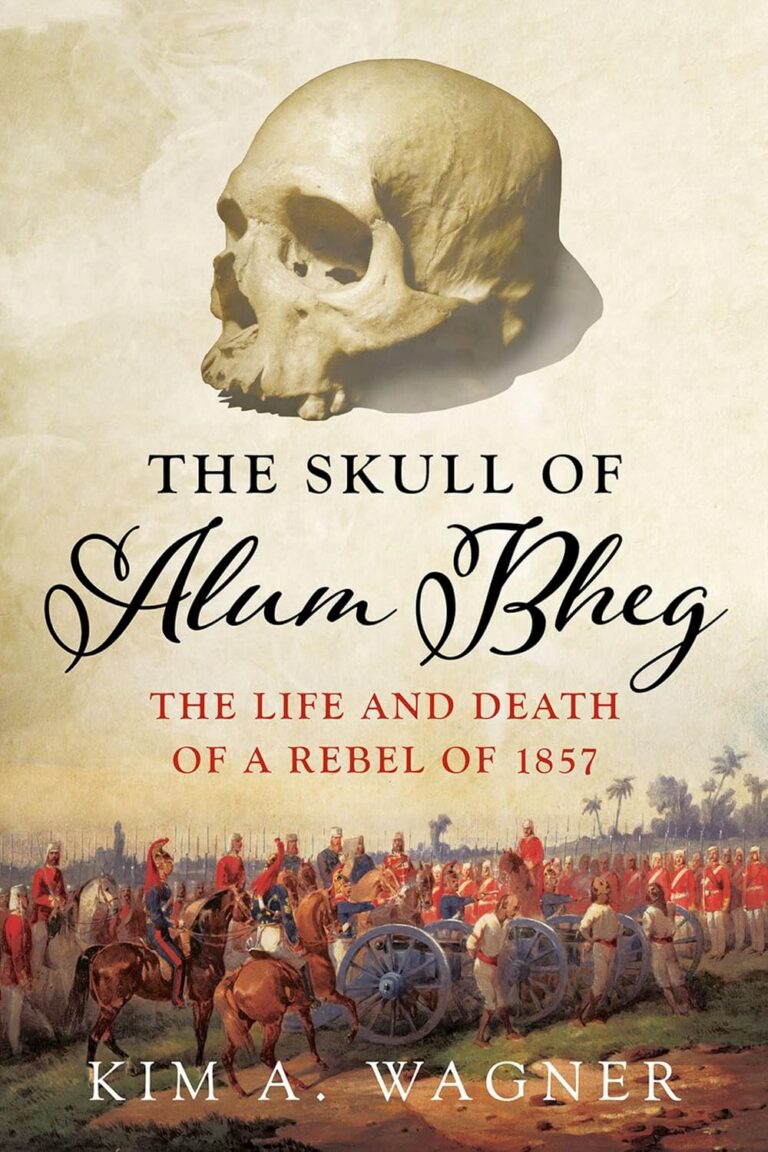
The conflict was never a single, coordinated national movement. Different groups rebelled for different reasons, and large parts of India remained outside the revolt. Many Indian soldiers and rulers supported the British or remained neutral, while Sikh, Punjabi and Gurkha troops played an important part in the British recovery. At the same time, the rebellion clearly became more than a purely military mutiny. In regions such as Awadh it drew in landholders, townspeople and rural communities whose grievances pre-dated the sepoy revolt. Figures including Rani Lakshmibai of Jhansi, Nana Sahib, Tantia Tope and Begum Hazrat Mahal became associated with resistance, although their aims and circumstances differed considerably. The fighting was marked by extreme violence. British civilians were killed at places such as Cawnpore, while British forces subsequently carried out severe reprisals, executions and collective punishments as they re-established control.
The consequences were fundamental. The East India Company was abolished as a governing power, and under the Government of India Act 1858 responsibility for India passed directly to the British Crown. The Indian Army was reorganised to reduce the possibility of another large-scale mutiny, while British policy became more cautious about interfering with princely states, religious practices and established social structures. Queen Victoria’s proclamation of 1858 promised greater respect for Indian religions and property rights, although political power remained firmly in British hands. The rebellion therefore stands at the dividing line between the era of Company rule and the British Raj. Its memory remains contested: British accounts traditionally called it the “Indian Mutiny”, while Indian nationalist interpretations increasingly described it as the “First War of Independence”. “Rebellion” or “Uprising” are often used because they better reflect the mixture of military mutiny, regional resistance, dynastic politics and popular revolt involved.
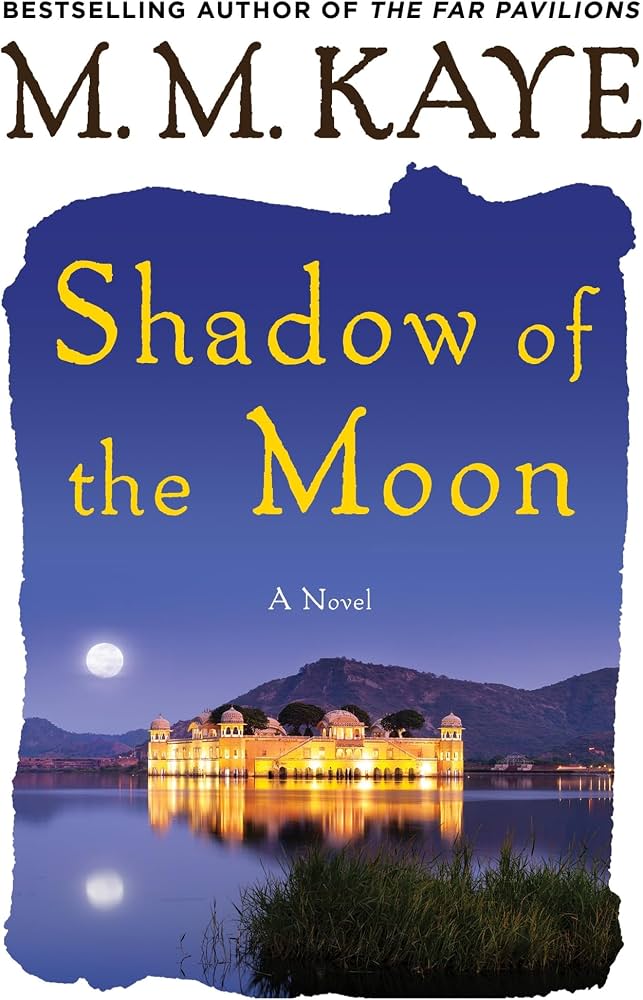
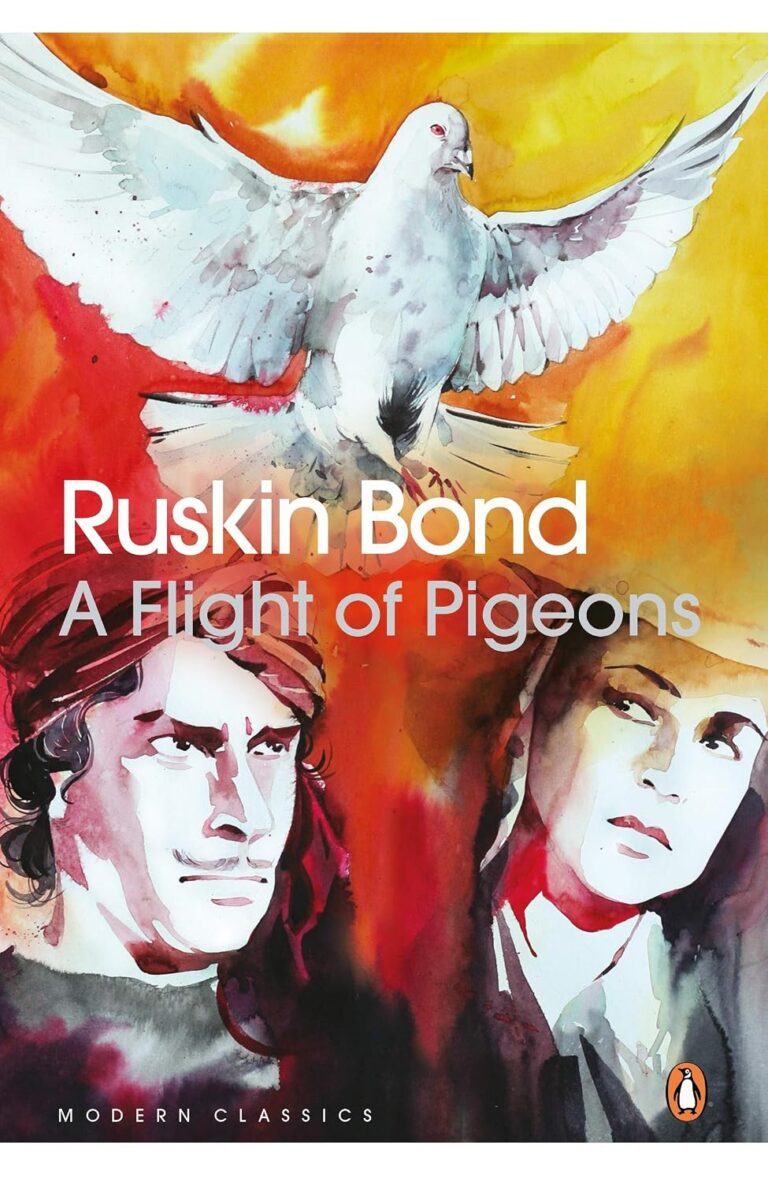
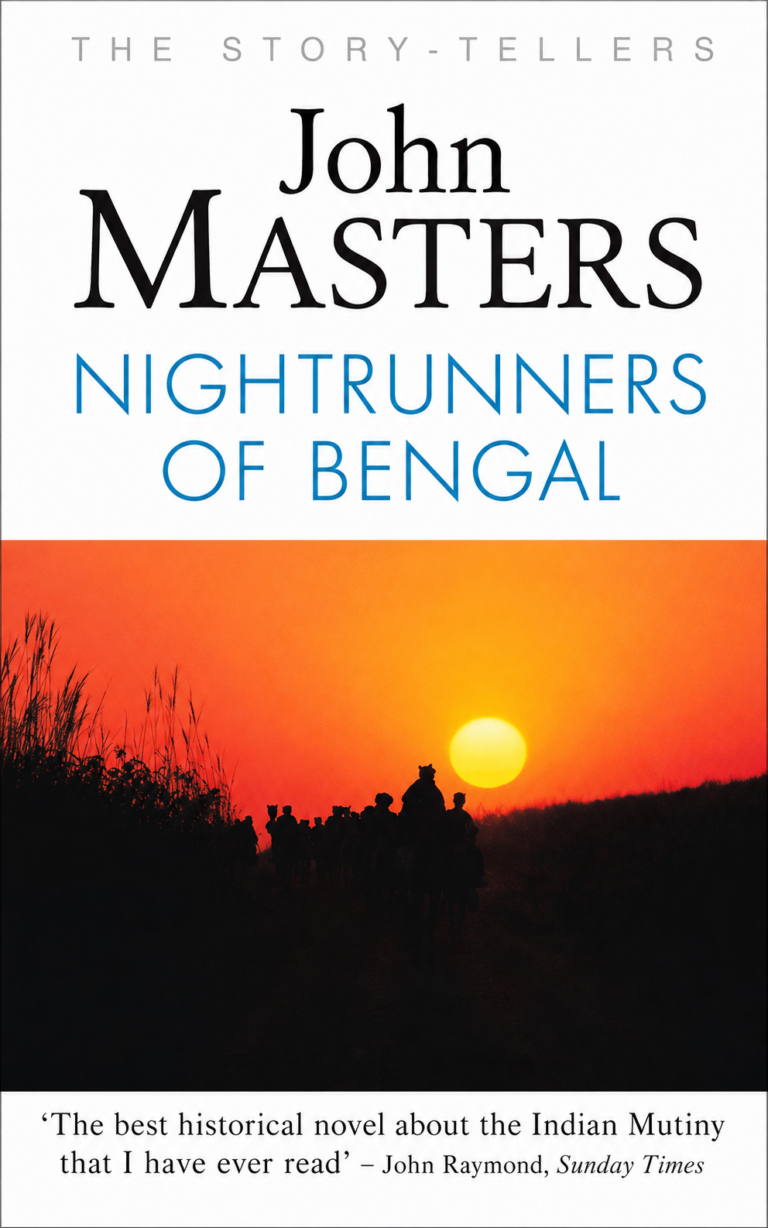
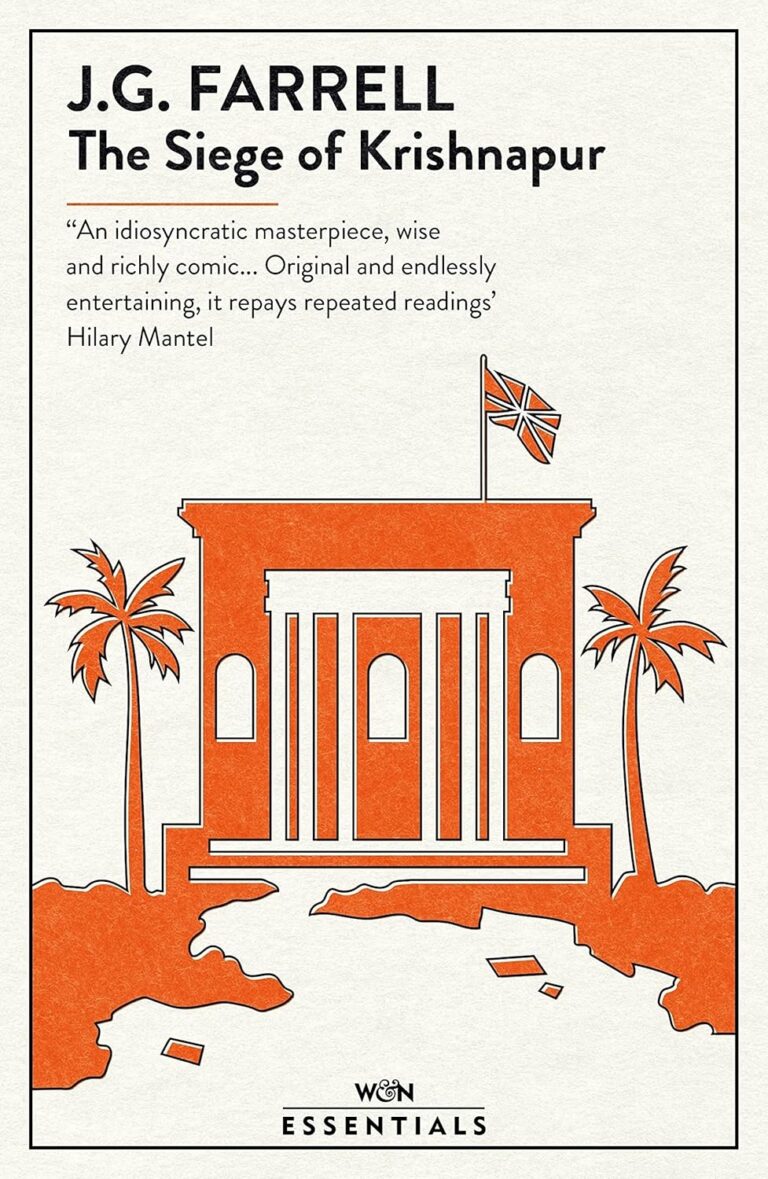
M. M. Kaye’s Shadow of the Moon is a particularly strong fictional treatment of the rebellion, combining a personal story with the collapse of Company authority and the violence surrounding the uprising. J. G. Farrell’s The Siege of Krishnapur approaches 1857 more satirically, using a fictional British residency under siege to examine imperial confidence, class and Victorian assumptions about civilisation. John Masters’ Nightrunners of Bengal also places the crisis within the world of Company officers, Indian soldiers and princely politics, while Ruskin Bond’s A Flight of Pigeons presents the rebellion on a smaller and more intimate scale through civilians caught in the violence. Fiction linked to this period should therefore concentrate on Company rule, sepoy armies, princely states, civilians, rebellion and reprisal rather than treating 1857 simply as part of the broader history of Mughal India or the later twentieth-century independence movement.
Books
Non-Fiction
Histories, biographies and reference works are listed separately from the historical novels above.