FitzRoy James Henry Somerset, later 1st Baron Raglan, was a British army officer whose career was closely tied to the Duke of Wellington before he became commander of the British expeditionary army in the Crimean War. Born in 1788, he served in the Peninsular War as Wellington’s aide-de-camp and military secretary. At Waterloo in 1815 he was wounded so severely that his right arm was amputated, but he continued in senior military and administrative service for decades.
Created Baron Raglan in 1852, he was appointed to command British troops sent against Russia in 1854 despite having little recent experience of independent field command. He led the army at the Alma, Balaclava and Inkerman and through the early siege of Sevastopol. The campaign exposed serious weaknesses in logistics, communications and divided allied command; the disastrous Charge of the Light Brigade became especially associated with ambiguous orders issued through his headquarters. Raglan died of illness near Sevastopol in June 1855.
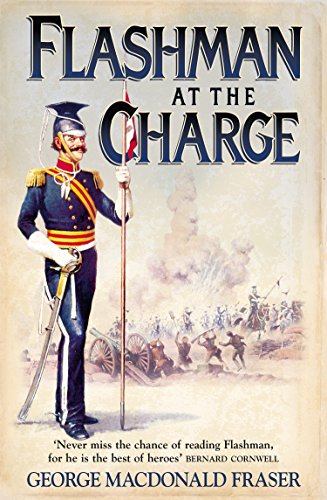
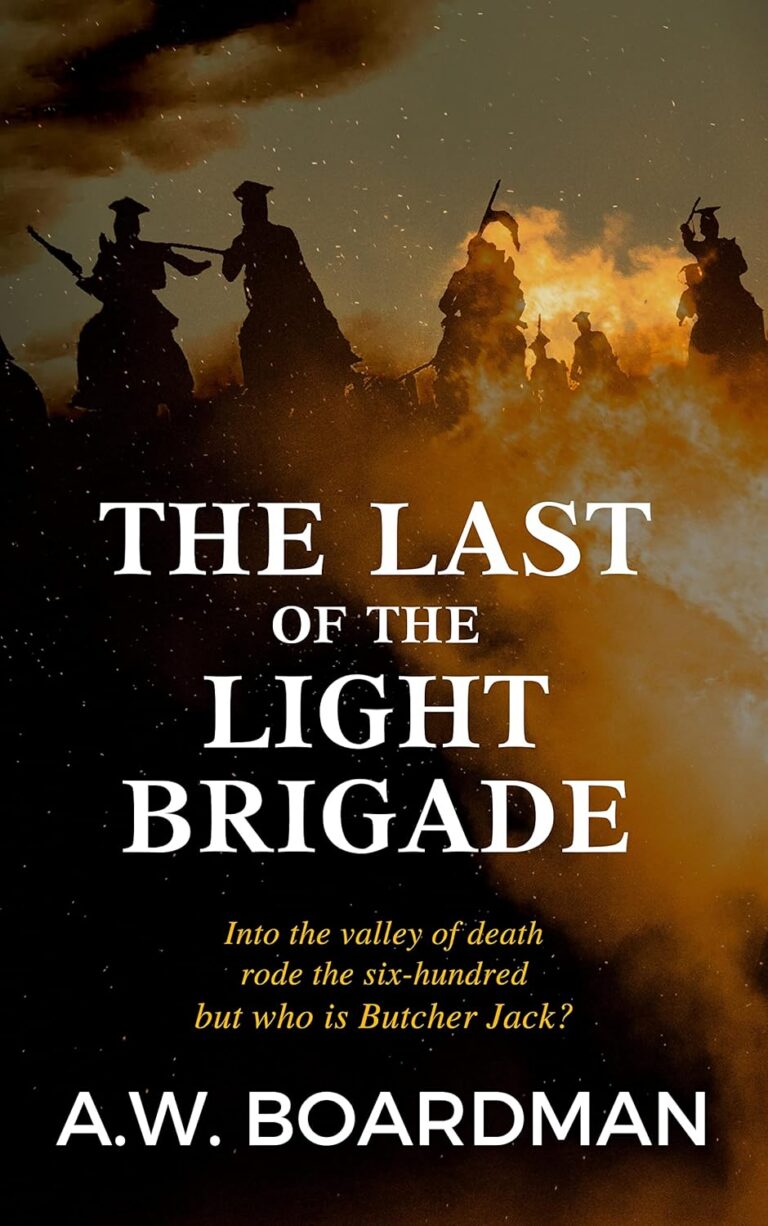
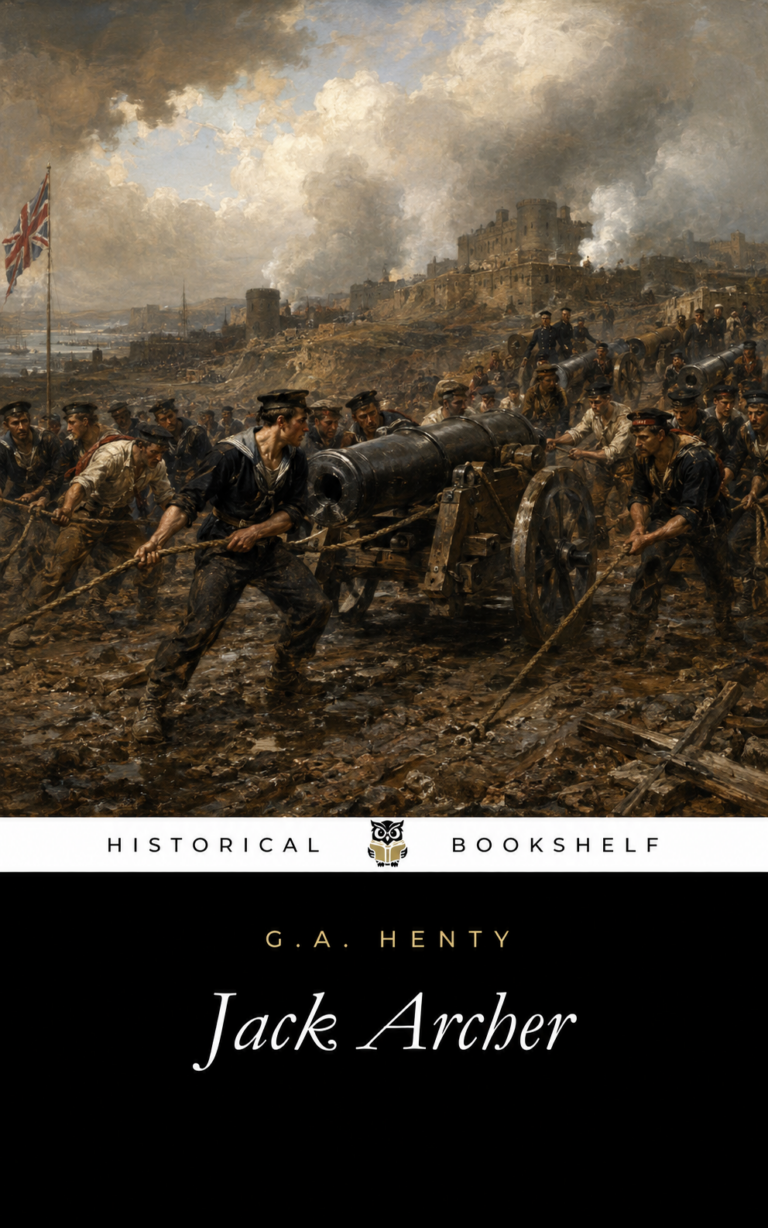
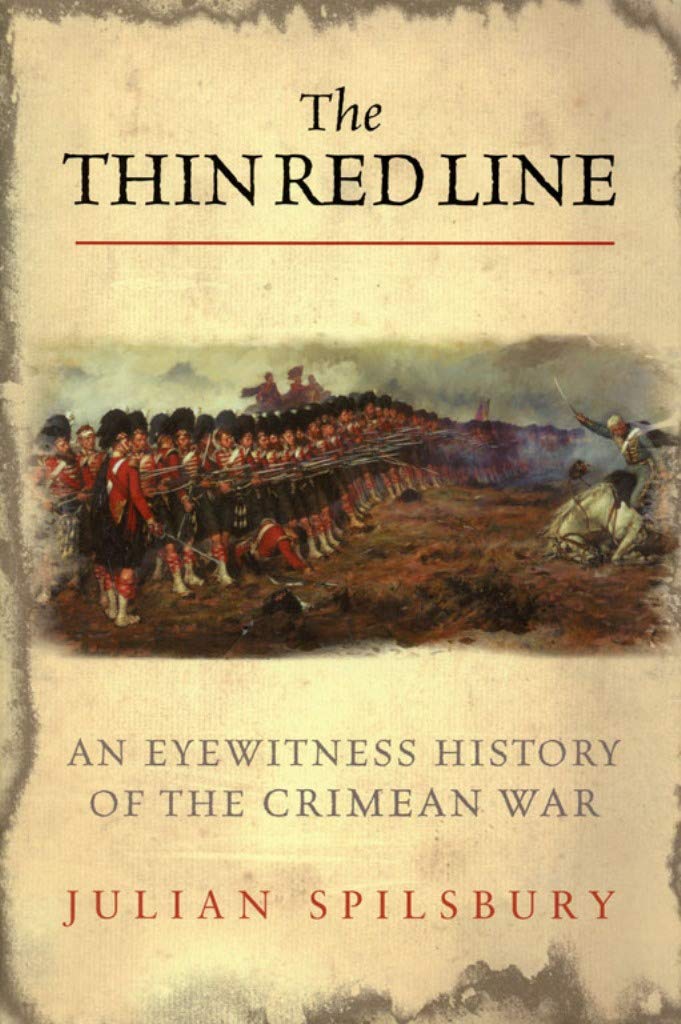
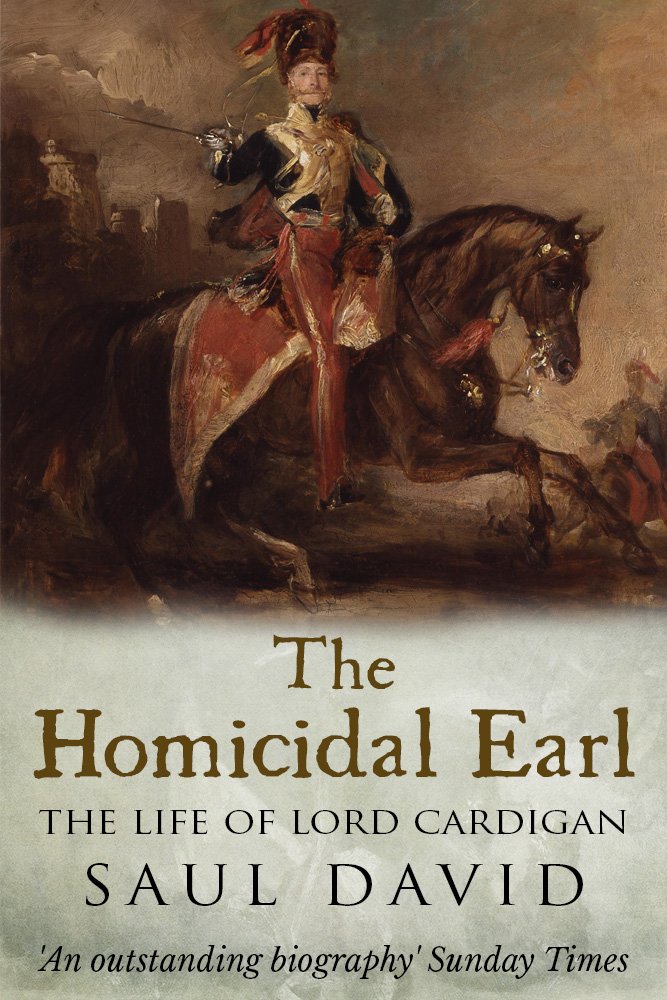
George MacDonald Fraser’s Flashman at the Charge, G. A. Henty’s Jack Archer and A. W. Boardman’s The Last of the Light Brigade place Raglan within the Crimean campaign and Balaclava. Saul David’s The Homicidal Earl and Victoria’s Wars, together with Julian Spilsbury’s The Thin Red Line, provide non-fiction treatments of the command failures, battlefield decisions and Victorian military culture surrounding his army.