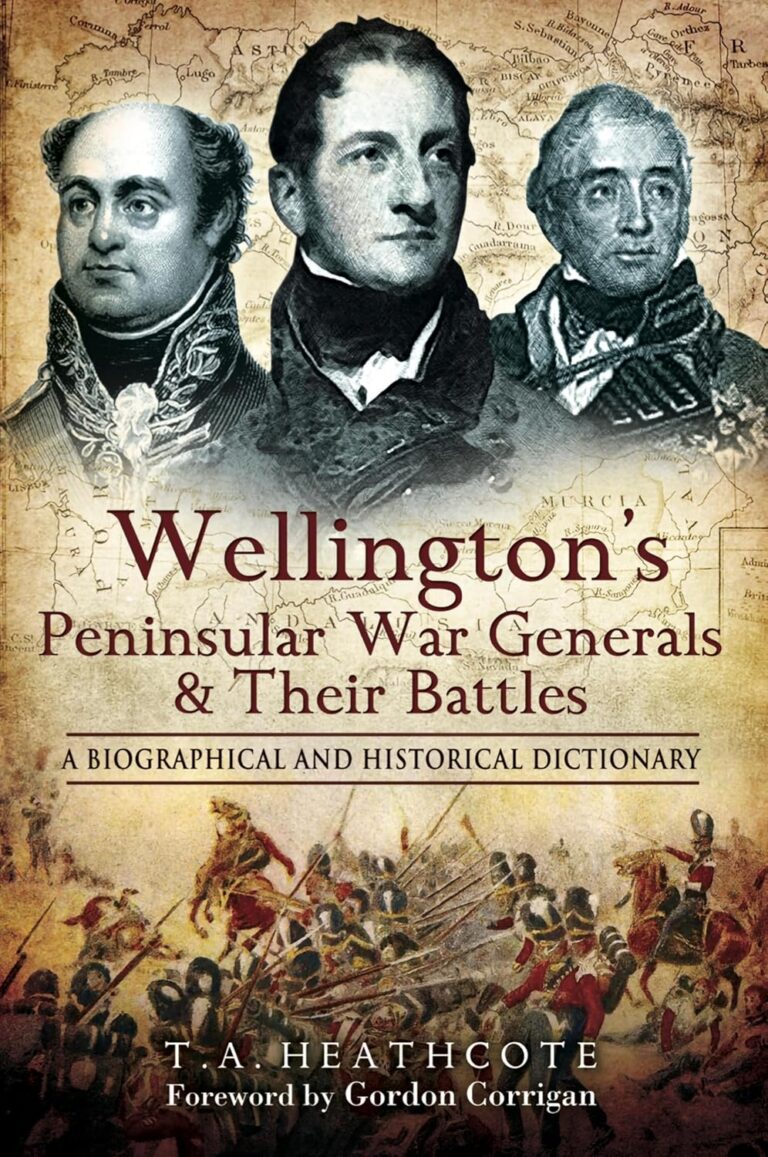
Peninsular War sits within the wider Napoleonic Era and helps explain why the period generated so many different kinds of historical fiction. In simple terms, it was not only a military contest but also a struggle over territory, alliances, legitimacy, trade, occupation, and national survival. Its events shaped the lives of soldiers and civilians far beyond the immediate battlefield.
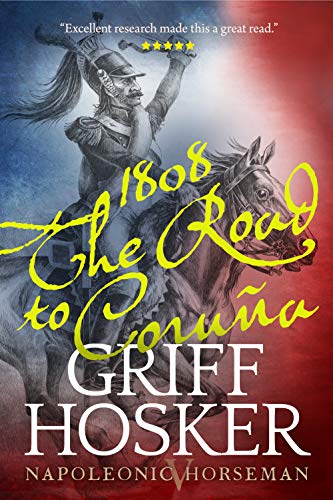
The Peninsular War is one of the strongest Napoleonic settings for fiction, combining British campaigning, French occupation, Spanish resistance, Portuguese defence, guerrilla warfare, sieges, and Wellington’s rise. The war connects individual campaigns and battles into a wider pattern of military pressure, political uncertainty, and social disruption. Common story material includes command pressure, divided loyalties, supply problems, family separation, political uncertainty, battlefield experience, and the way large strategic decisions disrupt ordinary lives.
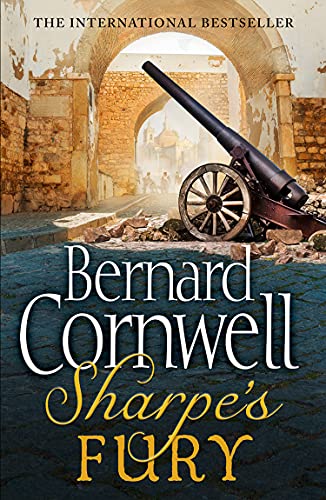
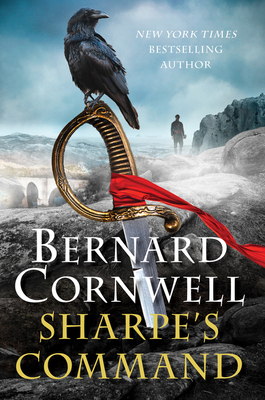
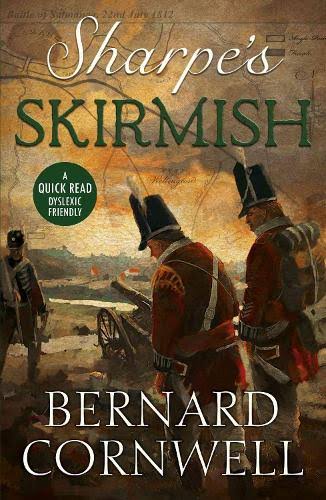
Specific fiction connections include Bernard Cornwell’s Richard Sharpe series, C. S. Forester’s Rifleman Dodd, also known as Death to the French, and Georgette Heyer’s The Spanish Bride. These works make the Peninsular setting especially useful for riflemen, irregular war, siege assaults, forced marches, Spanish and Portuguese resistance, and the human cost of Wellington’s campaigns.