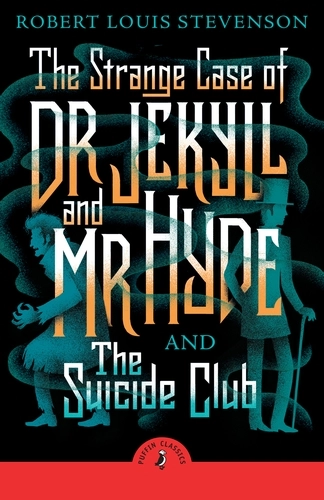
Robert Louis Stevenson (1850–1894) was a Scottish novelist, poet, essayist and travel writer, born in Edinburgh into a family celebrated for constructing lighthouses. Although he studied engineering and then law at the University of Edinburgh, he pursued literature rather than either profession. Stevenson became internationally known for the adventure novel Treasure Island, the Gothic psychological story Strange Case of Dr Jekyll and Mr Hyde and the poetry collection A Child’s Garden of Verses. Persistent ill health led him to travel extensively through Europe, North America and the Pacific; he eventually settled in Samoa, where he became involved in local political affairs and was known affectionately as “Tusitala”, meaning teller of tales.
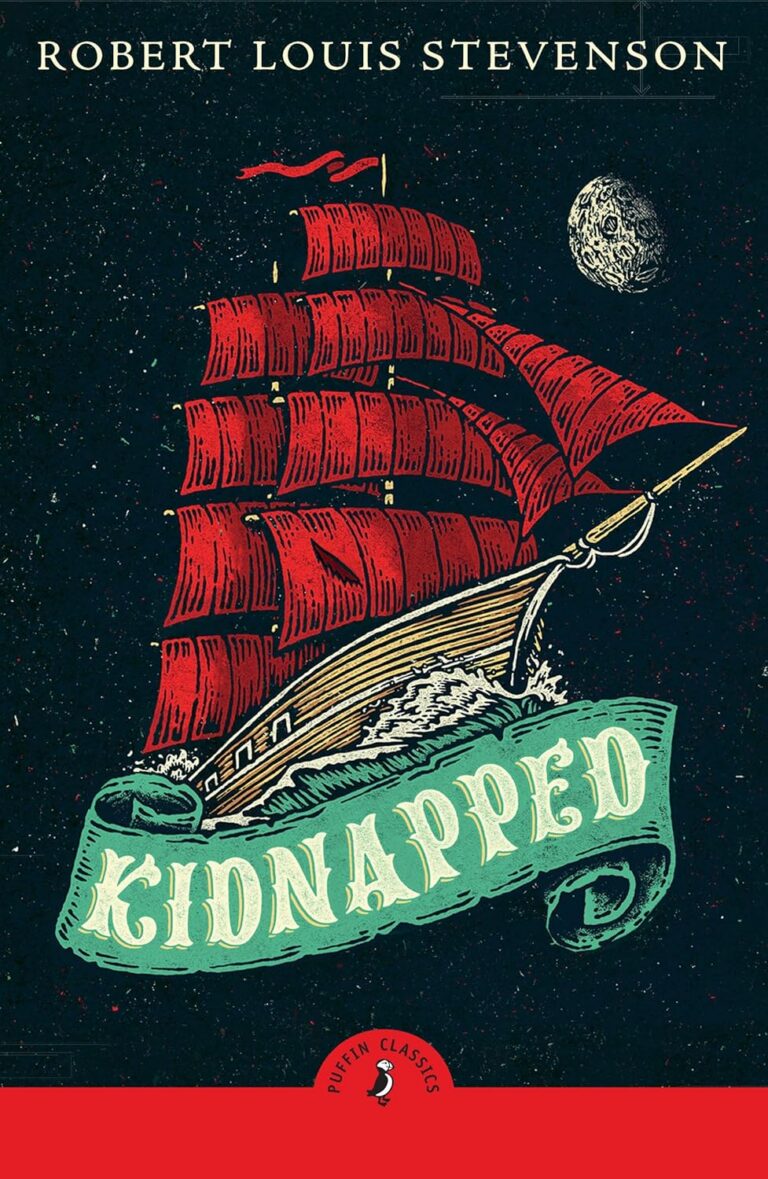
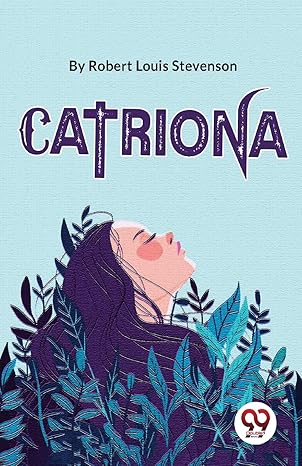
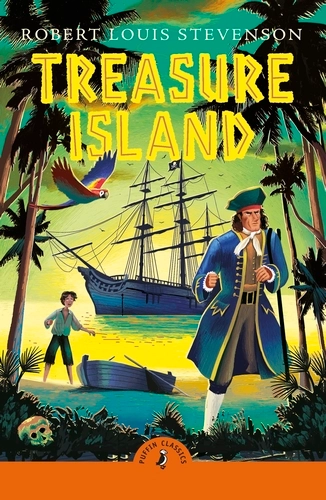
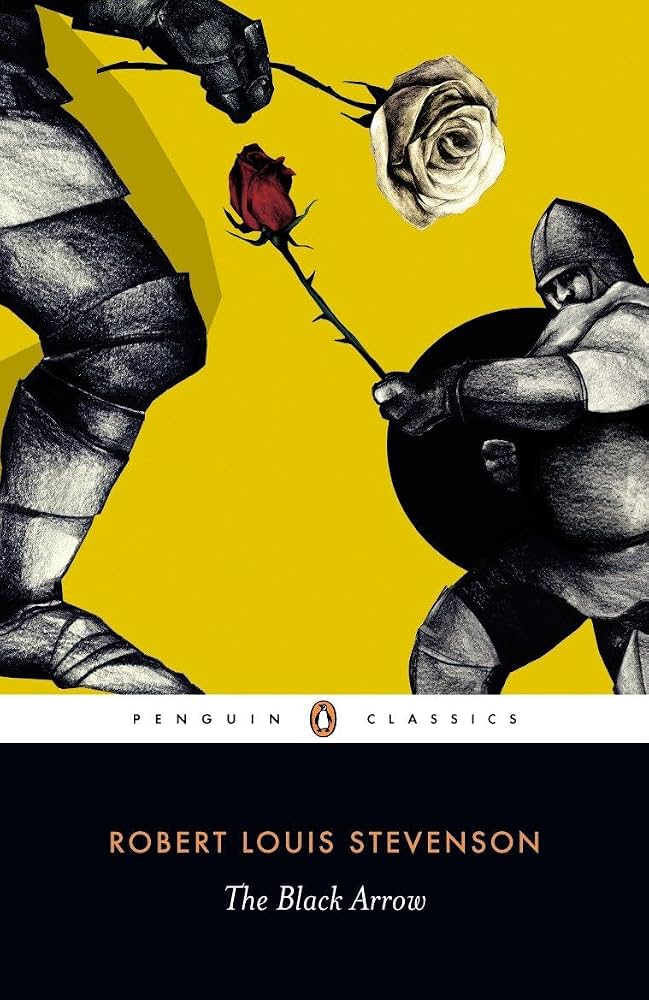
Stevenson’s historical novels combine fast-moving adventure with serious questions about loyalty, justice, identity and political conflict. Kidnapped and its sequel Catriona follow David Balfour through Scotland after the Jacobite rising of 1745, incorporating the Appin Murder and the persecution of Highland Jacobites. The Master of Ballantrae also begins during the 1745 rising and traces the destructive rivalry between two Scottish brothers, while The Black Arrow is set during the Wars of the Roses. St Ives concerns a French prisoner during the Napoleonic Wars, and the unfinished Weir of Hermiston portrays Scottish society and law in the early nineteenth century. Although Treasure Island uses an invented plot and characters, its eighteenth-century setting, maritime culture and concern with piracy also place it within the broader tradition of historical adventure fiction.

 Henry Treece
35 books
Henry Treece
35 books
 Rosemary Sutcliff
38 books
Rosemary Sutcliff
38 books
 Gillian Bradshaw
20 books
Gillian Bradshaw
20 books
 Gary Jennings
12 books
Gary Jennings
12 books