George IV was the eldest son of George III and served as prince regent from 1811, when his father’s final illness made him incapable of ruling, before succeeding as king in 1820. His regency coincided with the final campaigns against Napoleon and with severe economic and political strains at home. Personally extravagant and deeply interested in fashion, collecting, architecture and display, he helped give the Regency its distinctive cultural image while repeatedly attracting criticism for his debts and private conduct.
George’s relations with his estranged wife Caroline of Brunswick created a prolonged public scandal, culminating in the failed attempt to exclude her from the rights of queenship after his accession. He exercised influence over appointments and policy but ruled within an increasingly ministerial constitutional system; Lord Liverpool dominated most of the regency. George strongly opposed Catholic emancipation, yet in 1829 he reluctantly accepted the legislation promoted by Wellington and Peel. His only legitimate child, Princess Charlotte, had died in 1817, leaving succession to his brothers.
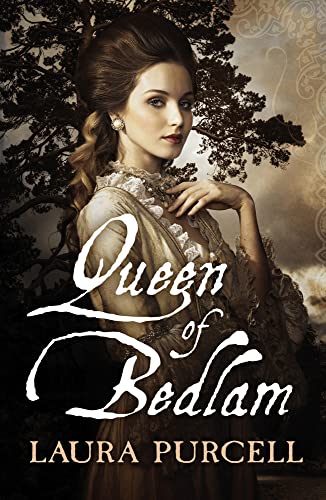
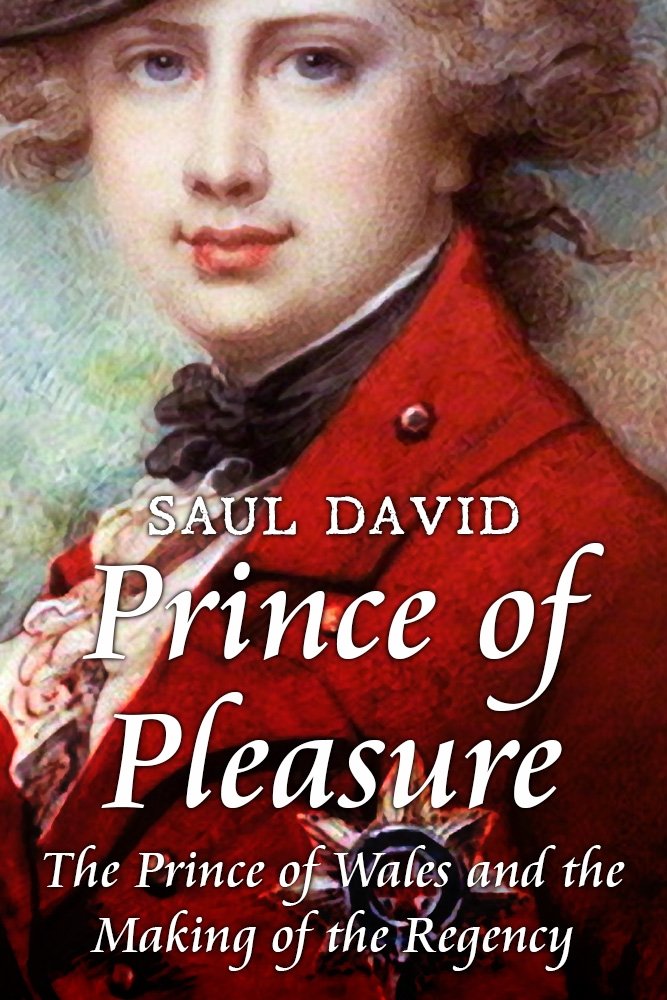
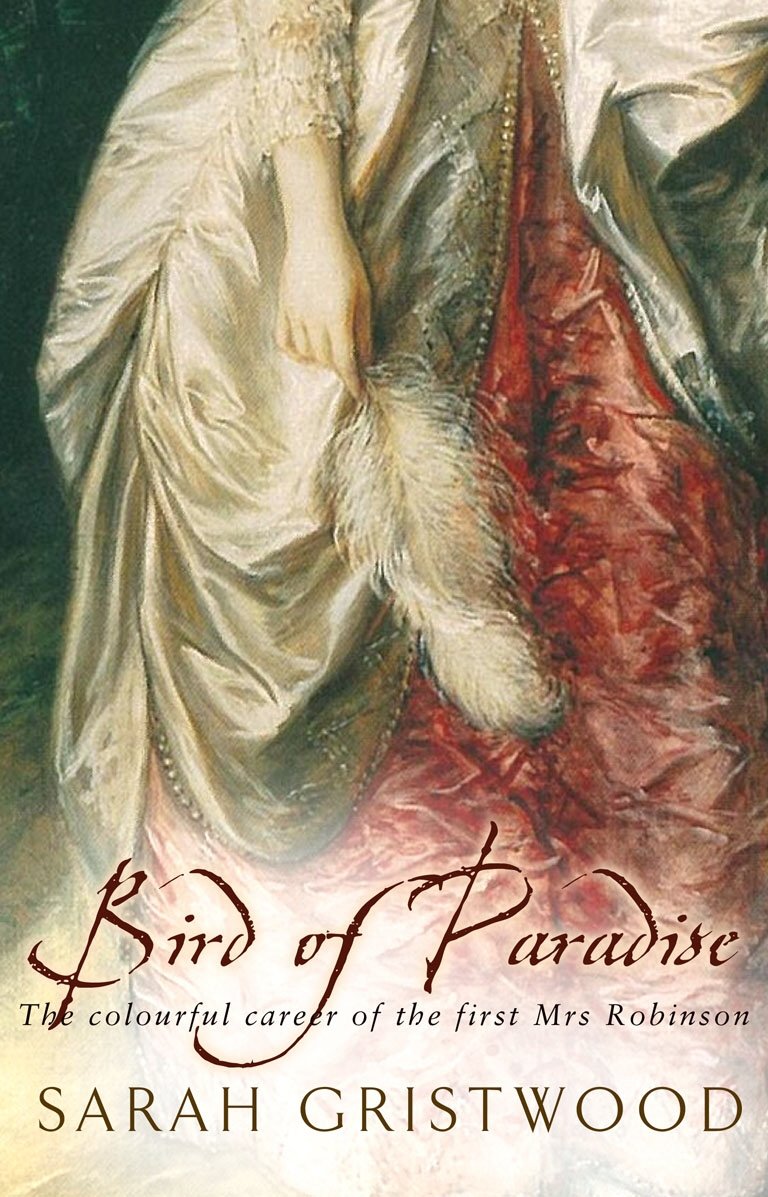
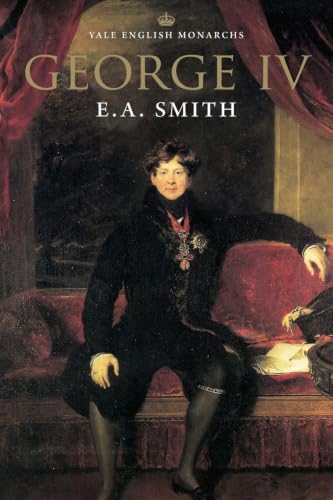
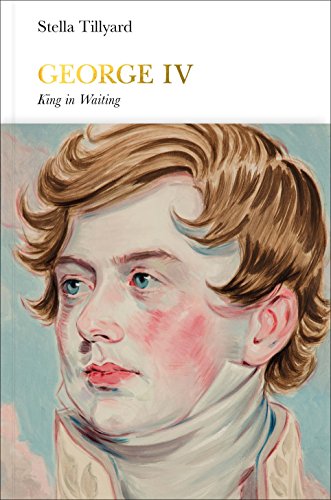
George IV is a recurring presence or background ruler in Regency fiction, including Georgette Heyer’s Regency Buck, Laura Purcell’s God Save the King and Queen of Bedlam, and C. S. Harris’s Sebastian St Cyr mysteries. Winston Graham’s later Poldark novels also move through his regency and reign. Non-fiction treatments include E. A. Smith’s George IV, Stella Tillyard’s George IV (Penguin Monarchs), Saul David’s Prince of Pleasure and Sarah Gristwood’s Bird of Paradise.