George III was king of Great Britain and Ireland during the American Revolutionary War, the French Revolutionary Wars and much of the Napoleonic conflict. His long reign was marked by imperial crisis, parliamentary change and periods of serious mental illness.
George III also held the offices or ranks of monarch of the United Kingdom of Great Britain and Ireland, Monarch of Great Britain, King of Ireland, and Prince of Wales. George III belonged to the House of Hanover and operated within Kingdom of Great Britain; United Kingdom of Great Britain and Ireland. George III was born in Norfolk House and died in Windsor Castle.
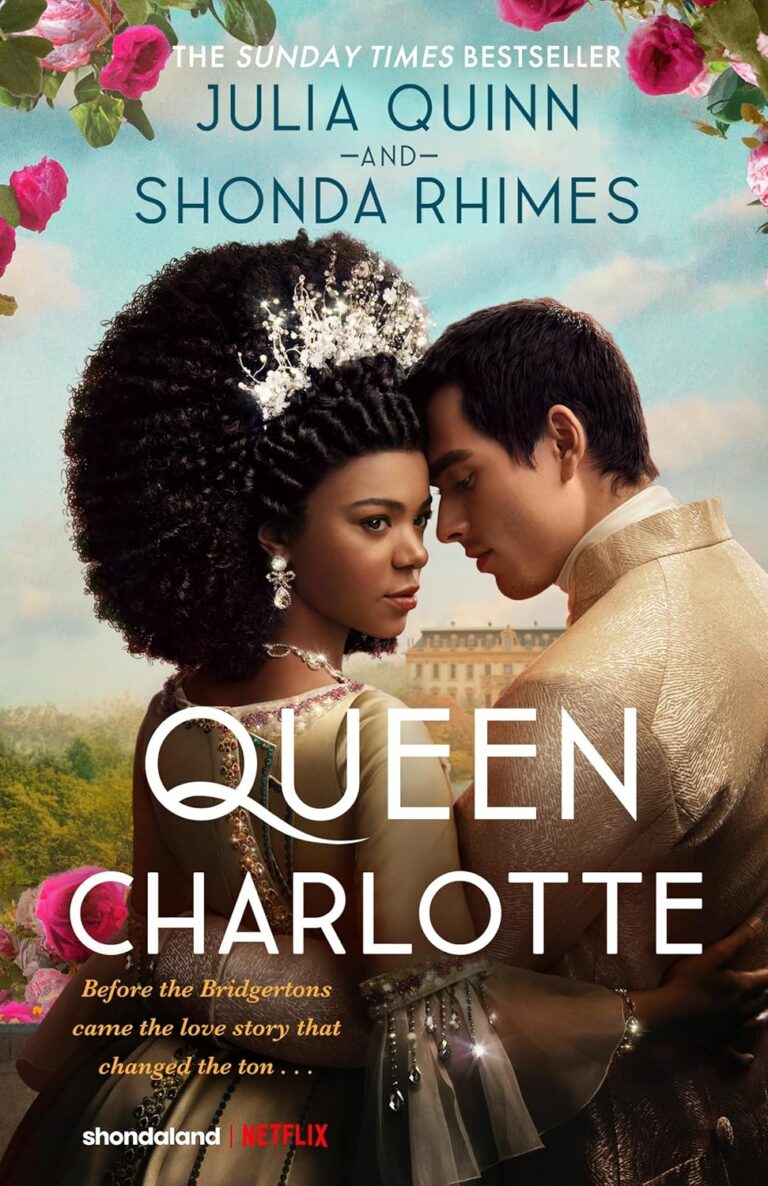
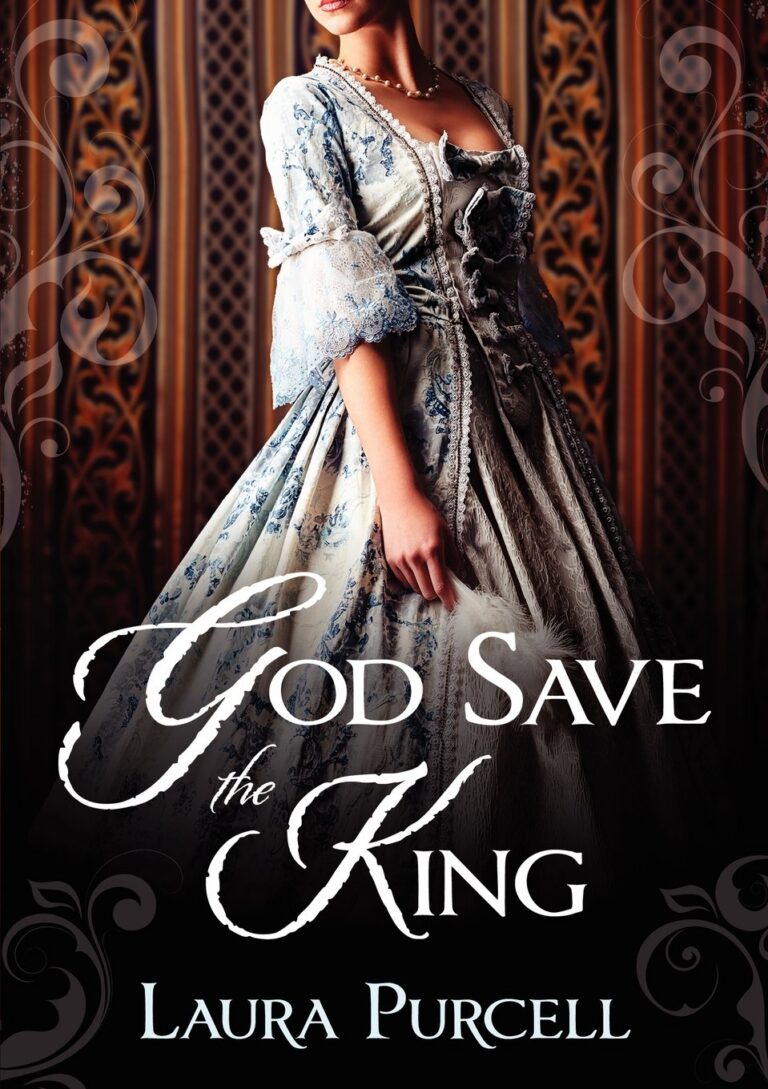
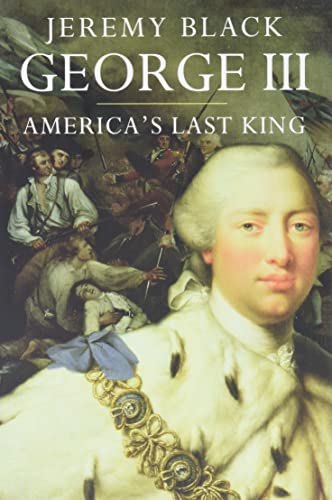
Laura Purcell’s God Save the King makes George III’s mental collapse in 1788 both a family catastrophe and a constitutional crisis, while Julia Quinn’s Queen Charlotte fictionalises the younger George’s marriage to Charlotte and the strain his illness places on their partnership. Jean Plaidy’s The Third George follows the king through family scandals, political anxiety and the loss of the American colonies. Jeremy Black’s George III treats him as an active and conscientious monarch whose reign encompassed far more than illness and American independence, and George III (Penguin Monarchs) sharpens that argument by placing his personal kingship against ministerial politics, revolutionary war and the eventual Regency. Together these books move between private vulnerability and the changing constitutional limits of monarchy across his sixty-year reign.