Books










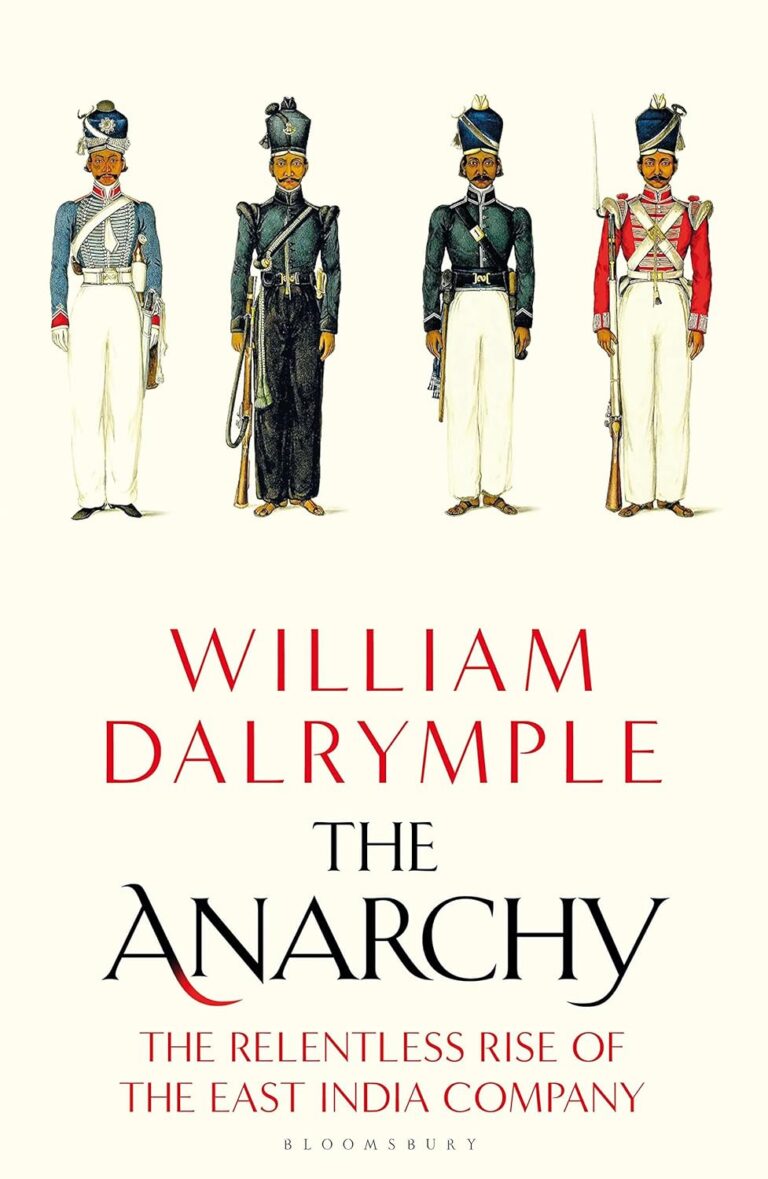

As an Amazon Associate I earn from qualifying purchases. Affiliate disclosure.
Phase
1757–1833 CE
The East India Company’s power expanded dramatically during the Georgian period, especially after its victories and political gains in Bengal. What began as a trading corporation increasingly became a territorial power with armies, revenue systems and administrative authority. India became central to Britain’s imperial economy and imagination.
Company rule mattered because it blurred commerce, government and conquest. Fortunes made in India flowed back into British politics, estates and marriages, while Indian communities faced taxation, conflict and exploitation. The Company’s rise also created stories of ambition, corruption, cultural encounter and moral compromise.
M. J. Carter’s Blake and Avery novels sit later but draw on the long Company world shaped in this period. Georgian-set series can use Company fortunes as hidden engines behind country-house marriages, political influence and scandal.
Books
Non-Fiction
Histories, biographies and reference works are listed separately from the historical novels above.