
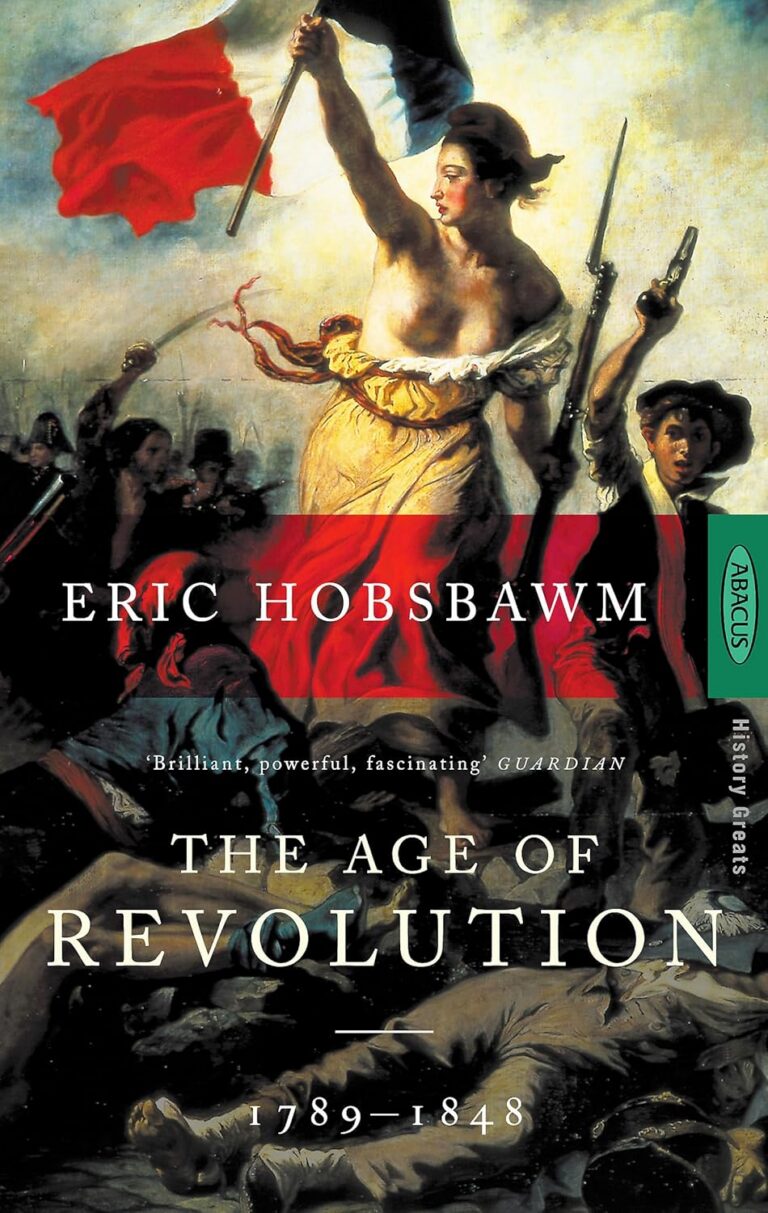
1. The Age of Revolution
The Age of Revolution traces the transformation of Europe between the French Revolution of 1789 and the revolutions of 1848. Hobsbawm presents the French political upheaval and Britain’s Industrial Revolution as a connected “dual revolution” that dismantled older social structures and established the conditions for industrial…
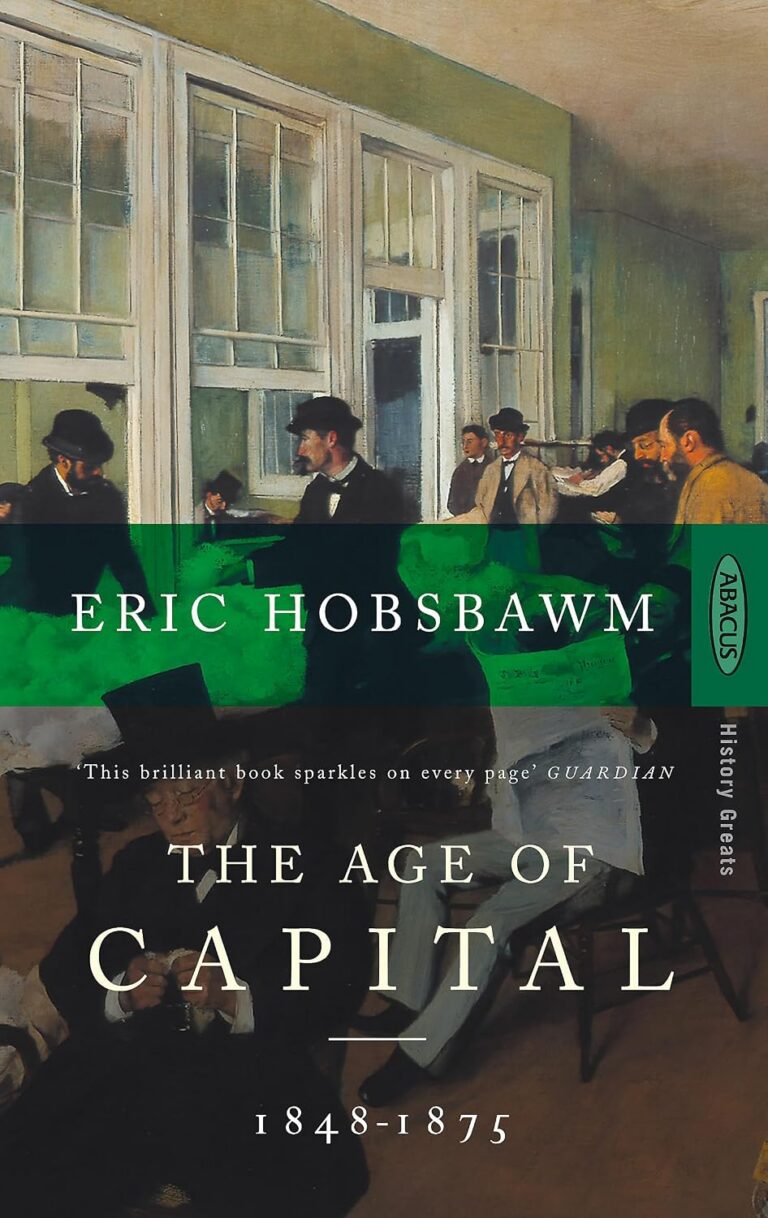
2. The Age of Capital
The Age of Capital begins with the defeat of the European revolutions of 1848 and follows the rapid international expansion of industrial capitalism through 1875. Railways, steamships, new communications and growing financial markets bind regions together while the bourgeois ideals of enterprise, progress and private property…
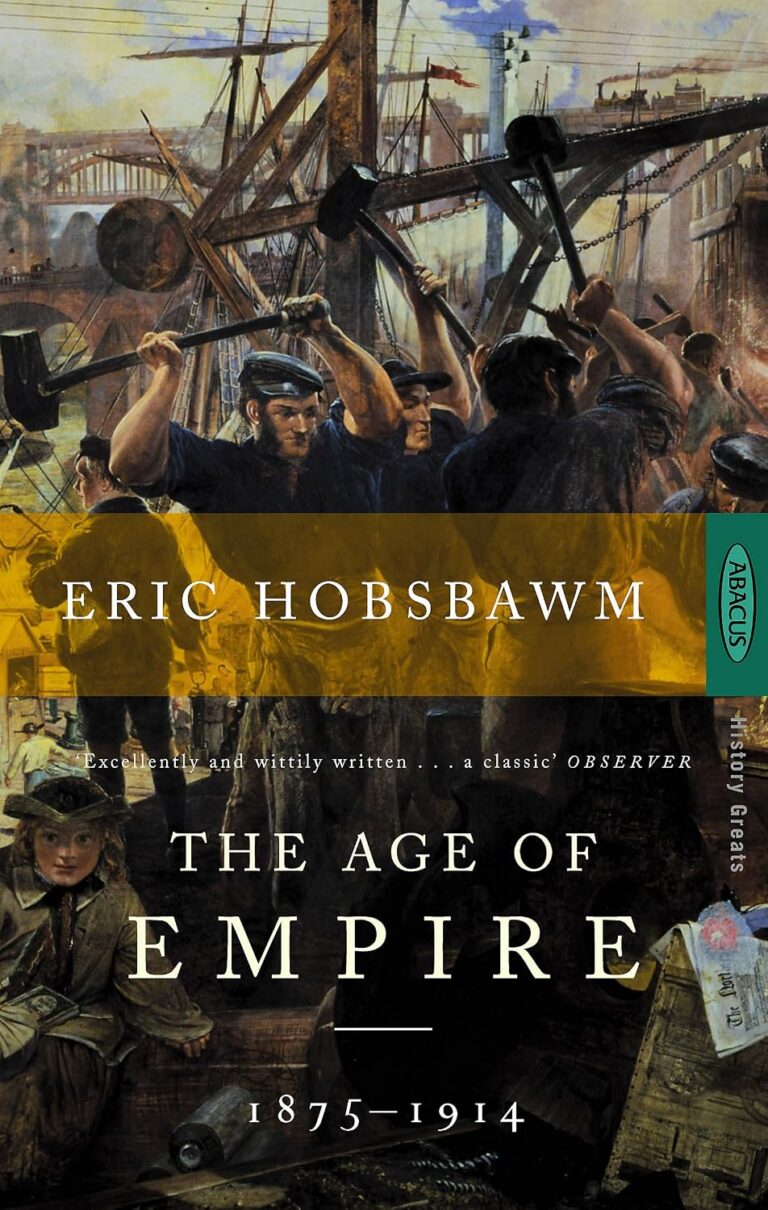
3. The Age of Empire
The Age of Empire examines the decades from 1875 to 1914, when industrial capitalism, global trade and European imperial expansion reached their greatest extent. Hobsbawm follows the growth of mass production, finance, urban society and overseas empires while established elites adapted to nationalism, electoral politics and…
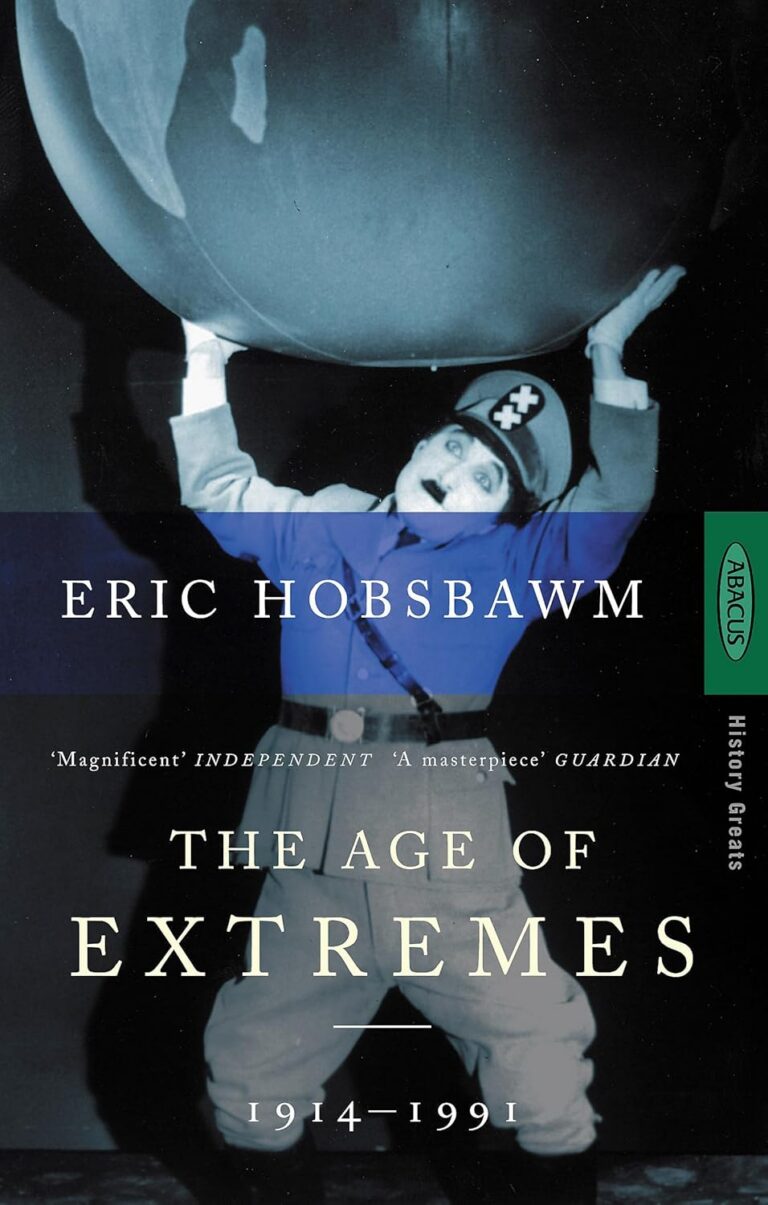
4. The Age of Extremes
The Age of Extremes follows what Hobsbawm calls the short twentieth century, beginning with the First World War and ending with the collapse of the Soviet Union. Its first half treats the world wars, the Russian Revolution, economic depression, fascism and the destruction of the European-dominated…