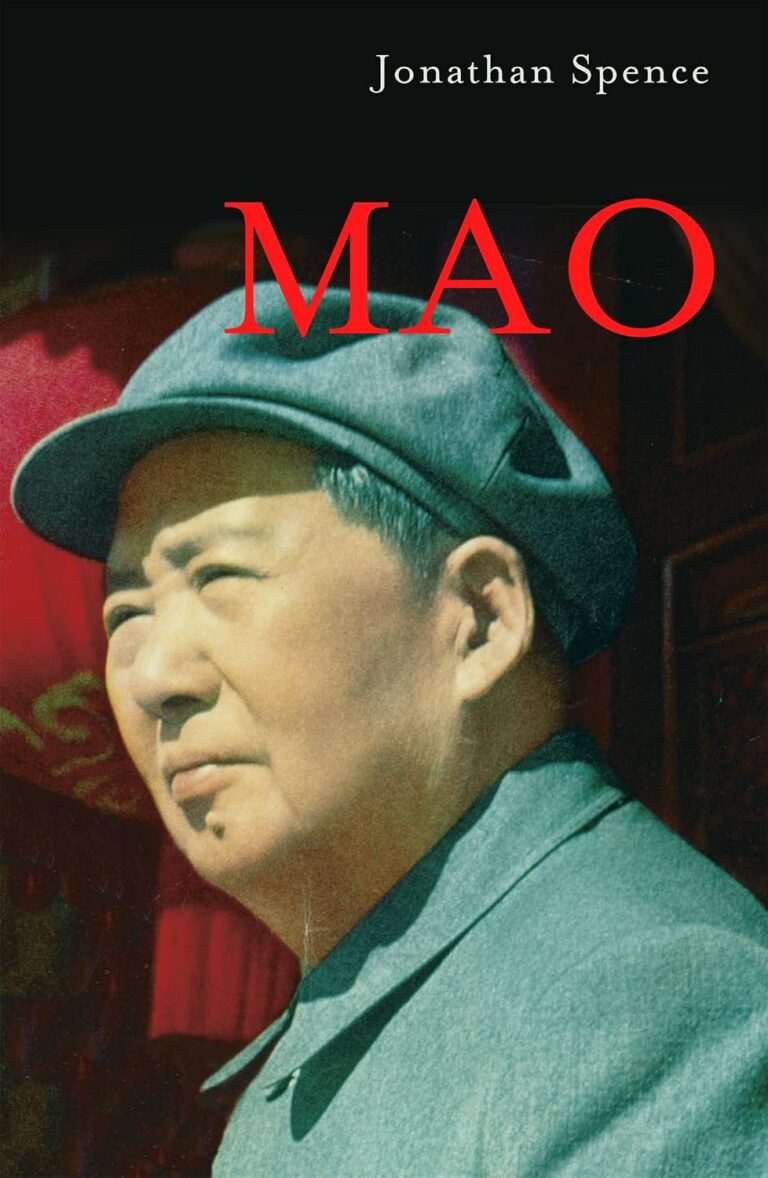
Mao Zedong was a Chinese Communist revolutionary who became the principal leader of the People’s Republic of China from its establishment in 1949 until his death in 1976. Born in Hunan in 1893, he participated in the early Chinese Communist movement and developed a strategy that placed unusual emphasis on peasant mobilisation and rural guerrilla warfare. During the long conflict with the Nationalists, Mao consolidated control of the Chinese Communist Party, survived the Long March and led the movement from its wartime base at Yan’an.
After Communist victory in 1949, Mao oversaw land redistribution, political campaigns, rapid state-building and China’s entry into the Korean War. His Great Leap Forward of 1958–62 attempted forced industrial and agricultural transformation but contributed to catastrophic famine in which tens of millions died. In 1966 he launched the Cultural Revolution, mobilising Red Guards against alleged enemies and producing widespread persecution, institutional breakdown and violence. Mao also reshaped China’s international position, including the later opening toward the United States. His historical legacy combines revolutionary state formation with immense human and political costs.
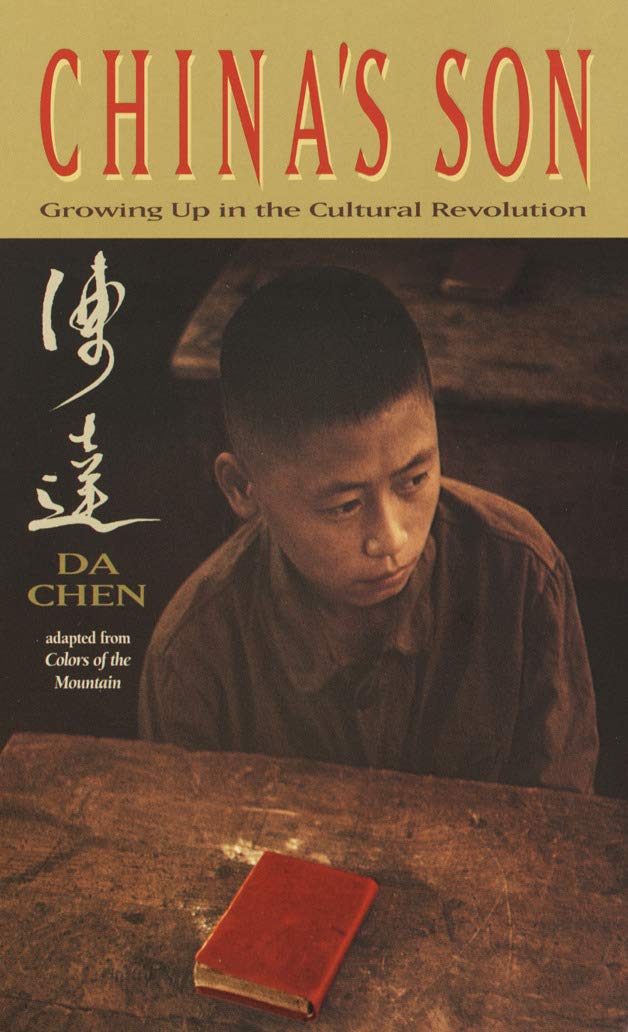
In Da Chen’s China’s Son, Mao Zedong’s death and the return of national examinations reopen a path through education. In Da Chen’s Colors of the Mountain: A Memoir, after Mao Zedong’s death, the restoration of competitive education gives Da a route beyond the village. For broader historical treatment of Mao Zedong, see Jung Chang’s Mao, Hourly History’s Mao Zedong, Sir Max Hastings’ The Korean War, and Stephen R. Platt’s The Raider.