
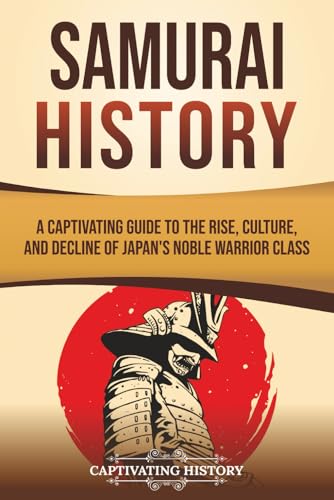
1. Samurai History
Samurai History traces Japan’s warrior class from its emergence in the medieval period to its political dominance under the shogunates and eventual abolition during the Meiji Restoration. It examines warfare, service to powerful lords, castle society, weapons and changing ideas of loyalty and martial conduct. The…
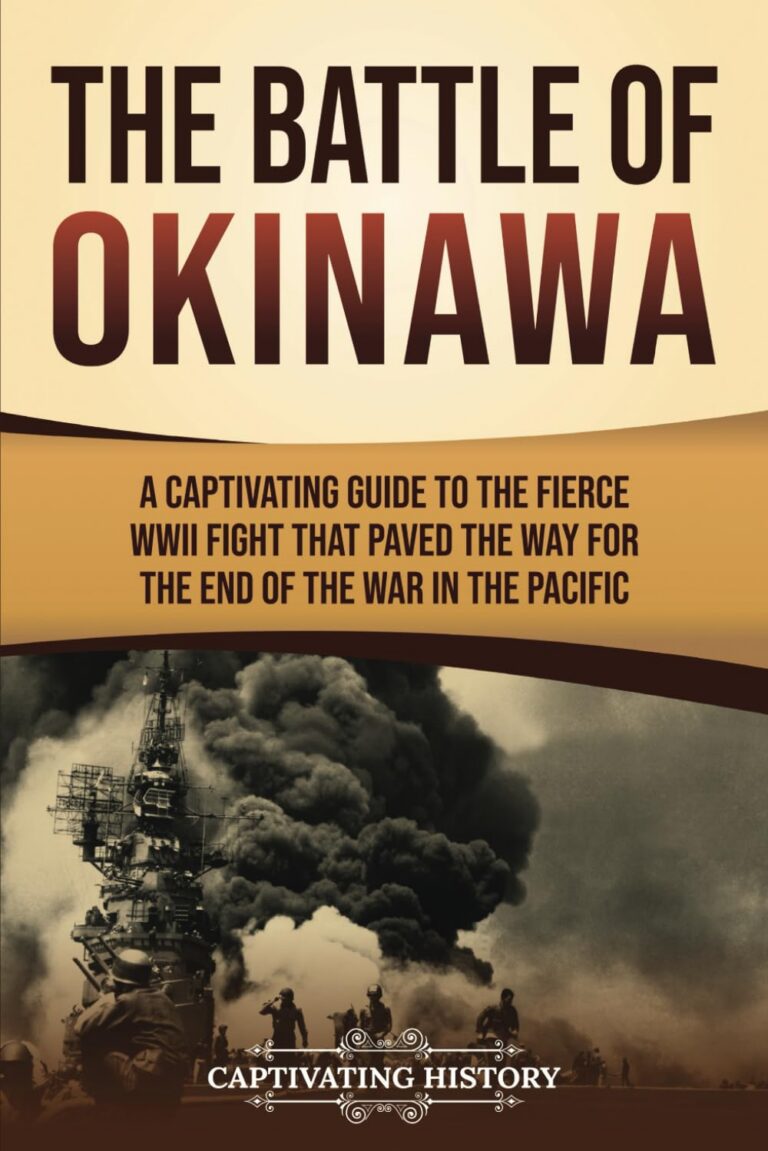
2. The Battle of Okinawa
The Battle of Okinawa covers the 1945 campaign for the largest of the Ryukyu Islands, fought as Allied forces closed on the Japanese home islands. It follows the amphibious landings, the prolonged struggle against fortified Japanese positions and the devastating kamikaze attacks on the supporting fleet.…
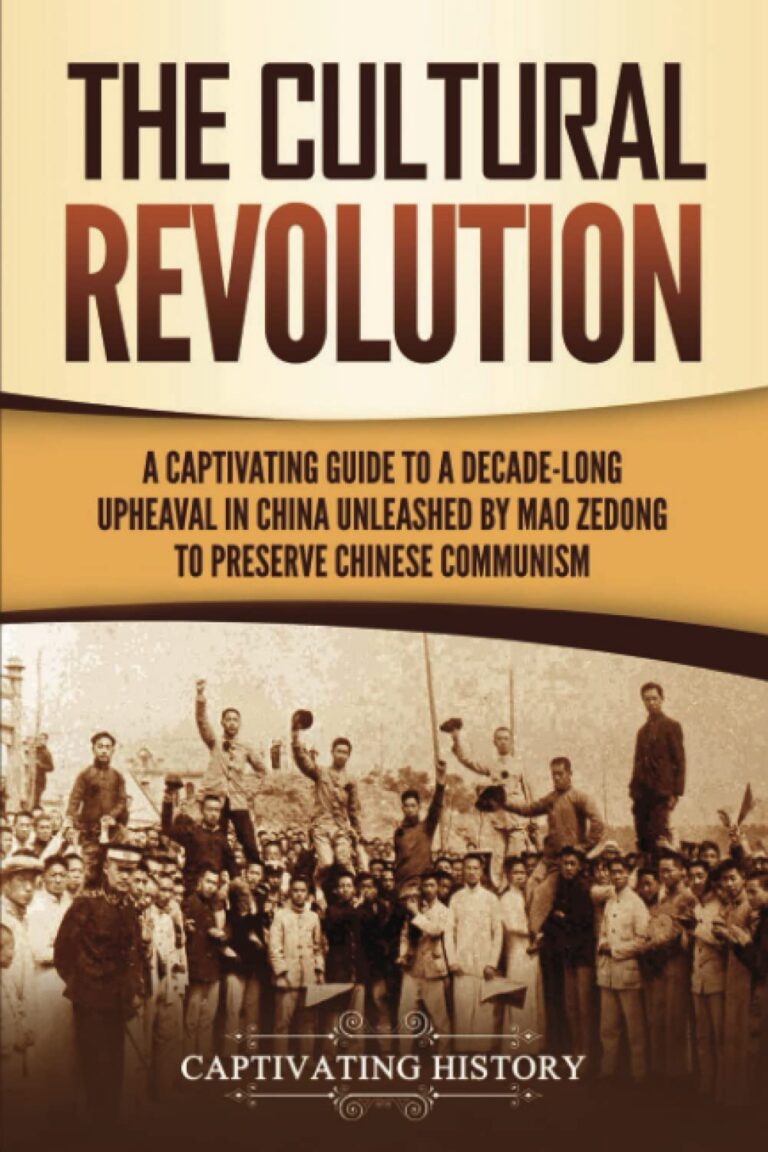
3. The Cultural Revolution
The Cultural Revolution examines the political upheaval launched by Mao Zedong in China in 1966 and the decade of violence and disruption that followed. It explains the mobilisation of Red Guards, attacks on alleged class enemies, purges within the Communist Party and the destruction of cultural…
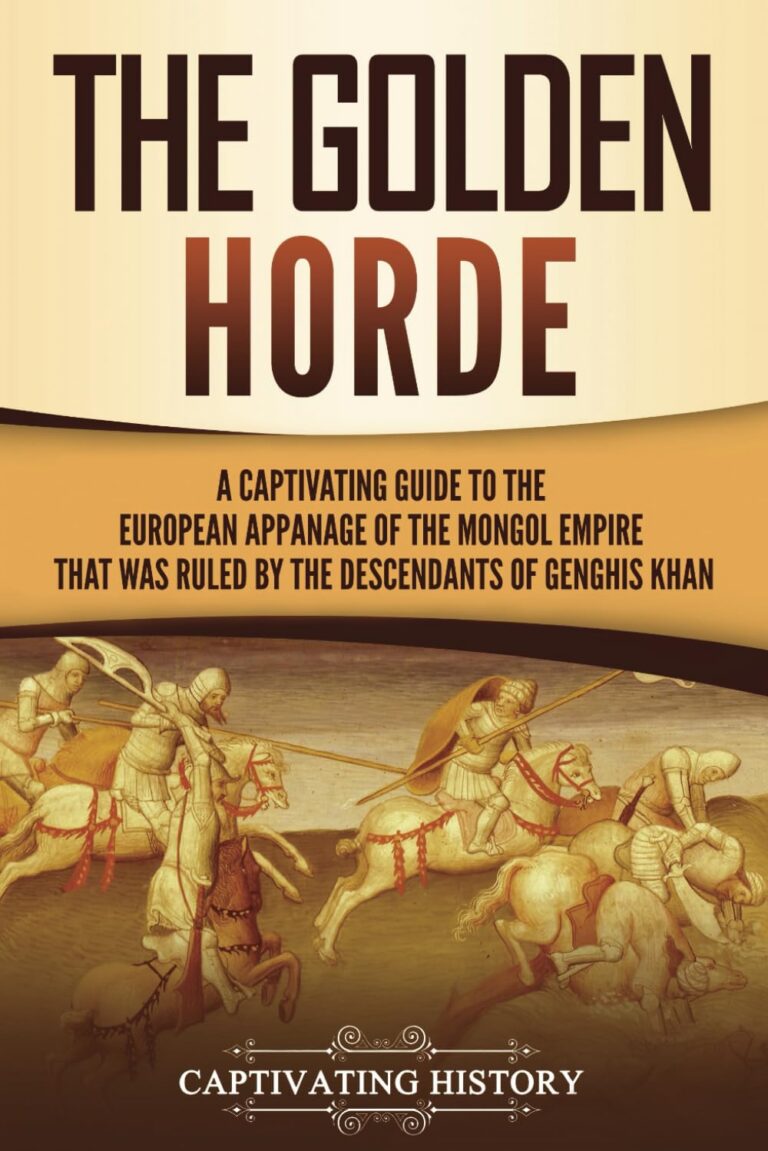
4. The Golden Horde
The Golden Horde examines the western successor state of the Mongol Empire that dominated the Eurasian steppe and exercised power over the Russian principalities. It traces the conquests of Batu Khan, the establishment of a mobile imperial court and the state’s role in trade routes linking…
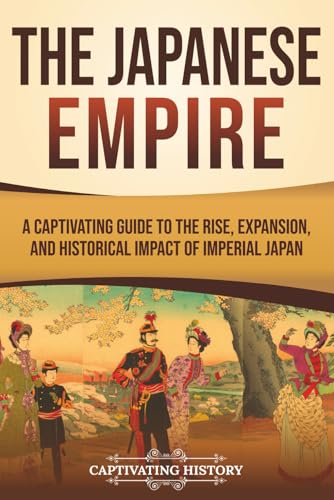
5. The Japanese Empire
The Japanese Empire traces Japan’s transformation from the Meiji Restoration into an industrial and military power with an expanding overseas empire. It follows wars against China and Russia, the annexation of Korea, expansion into Manchuria and China and the wider Pacific War. The book examines imperial…
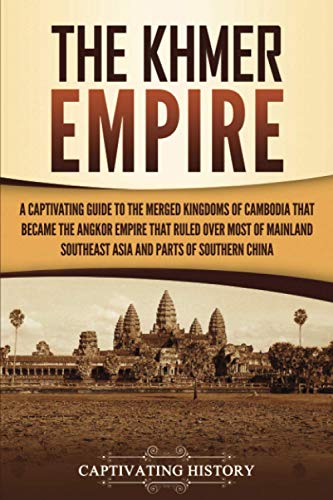
6. The Khmer Empire
The Khmer Empire examines the civilisation centred on Angkor that dominated much of mainland Southeast Asia for centuries. It explores royal power, Hindu and Buddhist religion, monumental architecture such as Angkor Wat and the sophisticated water-management systems that supported the capital. The book also traces warfare,…
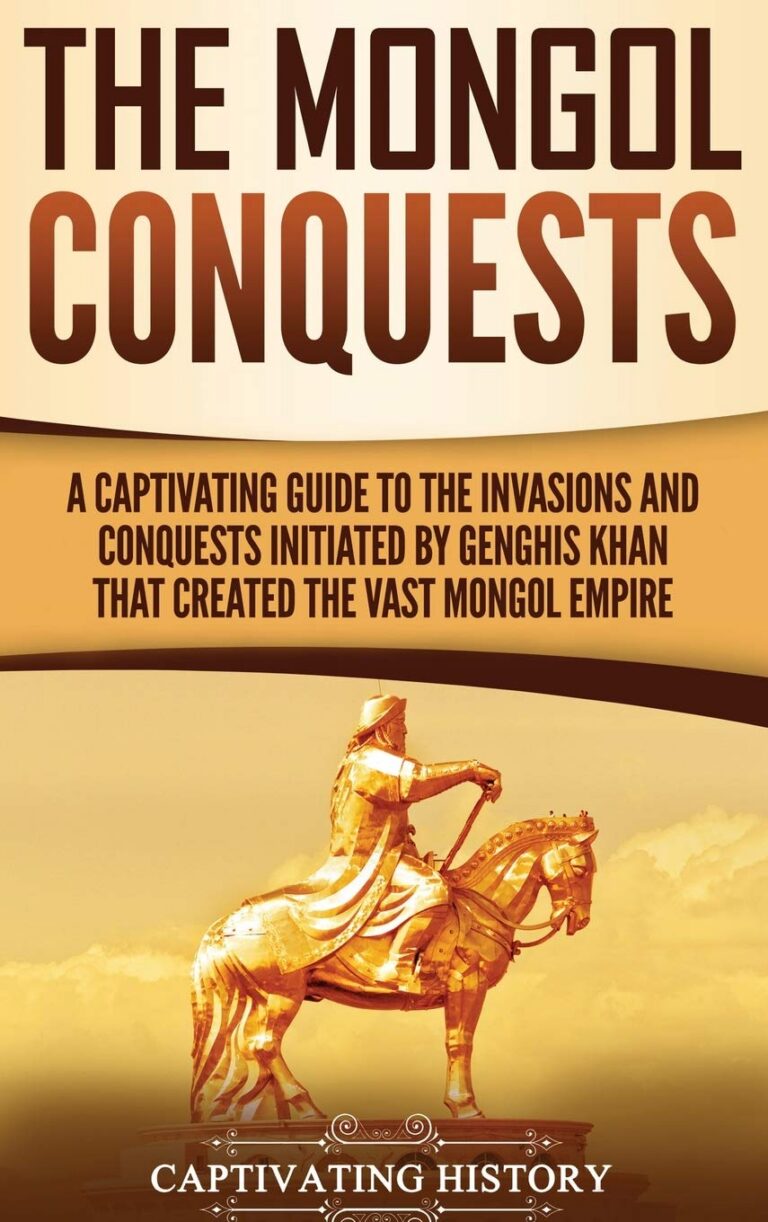
7. The Mongol Conquests
The Mongol Conquests follows the campaigns that transformed the tribes united by Genghis Khan into the largest contiguous land empire in history. It traces expansion across northern China, Central Asia, Persia, the Rus’ lands and into eastern Europe, examining cavalry tactics, siege warfare, intelligence and terror.…
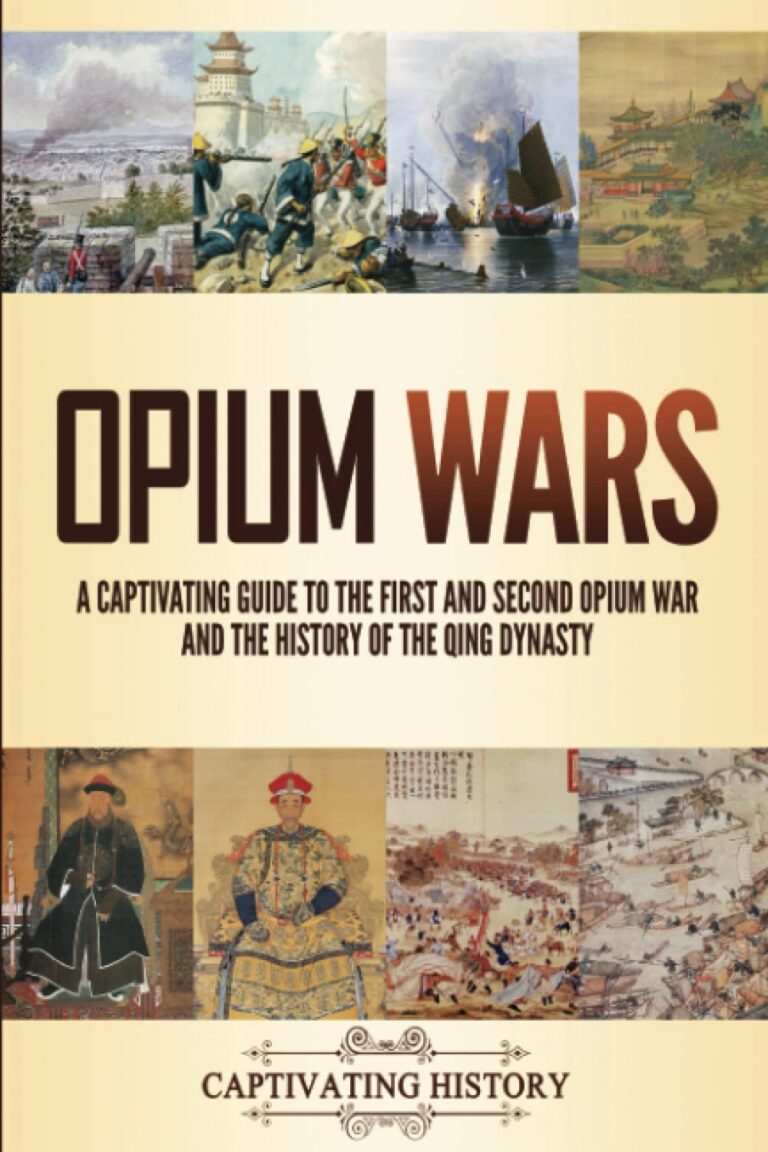
8. The Opium Wars
The Opium Wars examines the nineteenth-century conflicts in which Britain and other Western powers forced Qing China to accept new commercial and diplomatic arrangements. It explains the opium trade, the First Opium War, the Treaty of Nanjing and the later war that ended with further concessions…
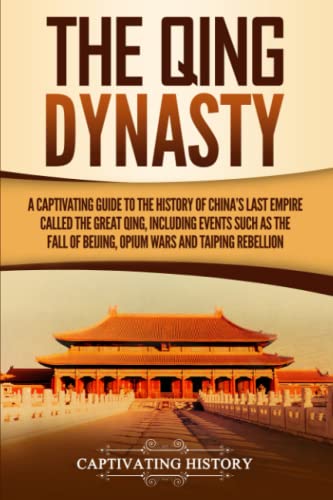
9. The Qing Dynasty
The Qing Dynasty traces China’s final imperial dynasty from the Manchu conquest in the seventeenth century to the revolution of 1911. It examines territorial expansion, imperial administration and cultural life before turning to the pressures of population growth, internal rebellion and Western intervention. The book covers…
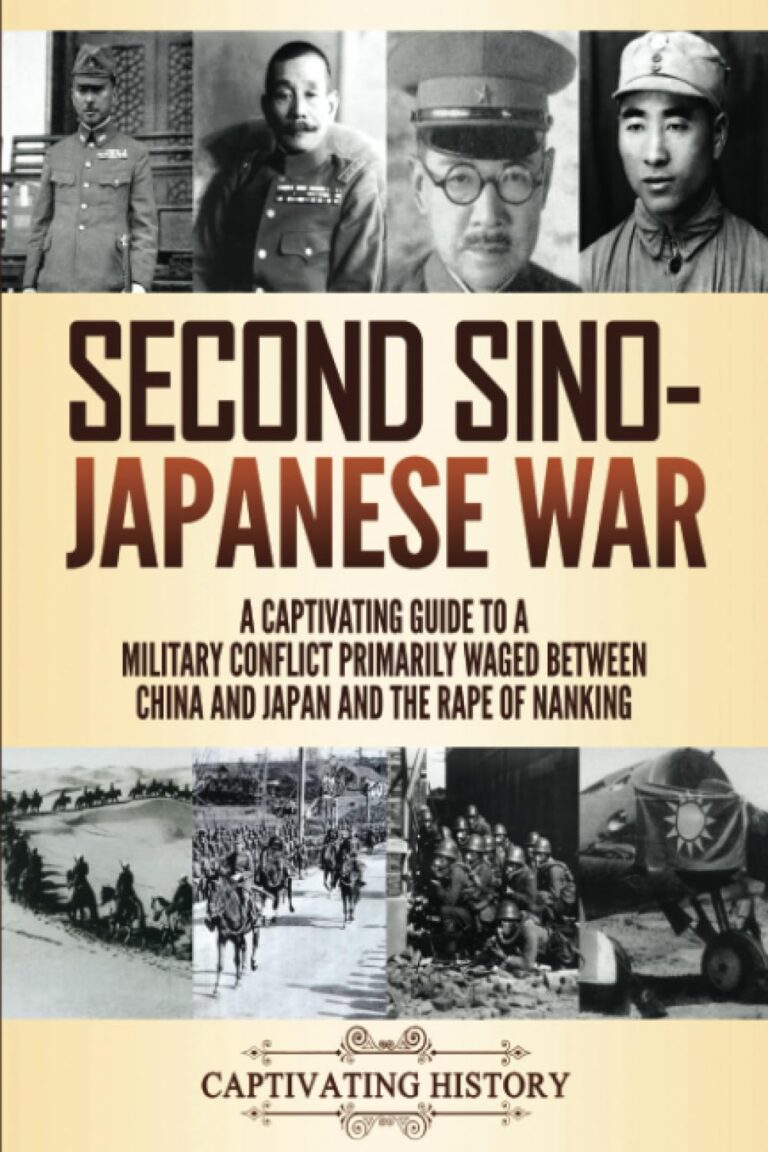
10. The Second Sino-Japanese War
The Second Sino-Japanese War traces the full-scale conflict between China and Japan from 1937 until Japan’s defeat in 1945. It follows the fighting around Shanghai and Nanjing, the expansion of Japanese occupation and the prolonged resistance of both Nationalist and Communist forces. The book examines atrocities,…