Chiang Kai-shek was a Chinese military and political leader who headed the Nationalist government for much of the period from the late 1920s to 1949. He led campaigns against regional warlords and Communists and directed China’s resistance to Japan during the Second Sino-Japanese War.
After the Communist victory in the Chinese Civil War, Chiang and the Nationalist government withdrew to Taiwan. His legacy is contested, combining state-building and resistance to Japan with authoritarian rule, political repression and military failure on the mainland.
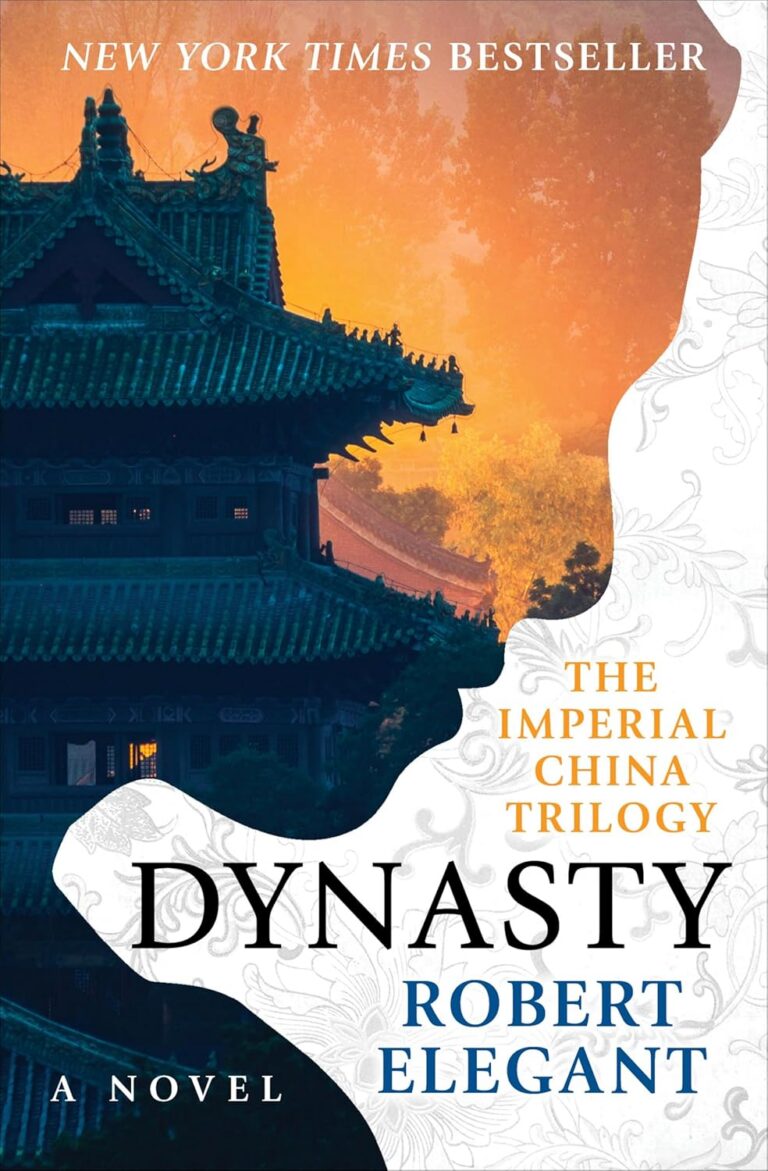
Jung Chang’s Big Sister, Little Sister, Red Sister tells the intertwined lives of the three Soong sisters, daughters of a wealthy Christian family whose marriages placed them at the centre of twentieth-century Chinese politics. Ai-ling married financier and government minister H. H. Kung, Ching-ling married revolutionary leader Sun Yat-sen, and May-ling became the wife and political partner of Chiang Kai-shek. Jung Chang’s Mao examines his relations with Chiang Kai-shek, Joseph Stalin and other Communist leaders, as well as the internal struggles through which Mao secured supremacy within the party and state. Further fictional perspectives on Chiang Kai-shek can be found in Robert Elegant’s Dynasty. For broader historical treatment of Chiang Kai-shek, see Robert Bickers’ Britain and China, 1840–1970, Robert Bickers’ Britain in China, Hourly History’s Chinese Civil War, and Robert Bickers’ Out of China.