Franklin D. Roosevelt served as president of the United States from 1933 until his death in 1945, the only person elected to the office four times. His New Deal expanded federal action in response to the Great Depression, while his administration gradually supported the Allies before entering the Second World War after Pearl Harbor.
Roosevelt led wartime mobilisation and diplomacy but also authorised the internment of Japanese Americans and maintained compromises on racial segregation. Herman Wouk’s The Winds of War and War and Remembrance include Roosevelt as a major historical presence in the approach to and conduct of the war.
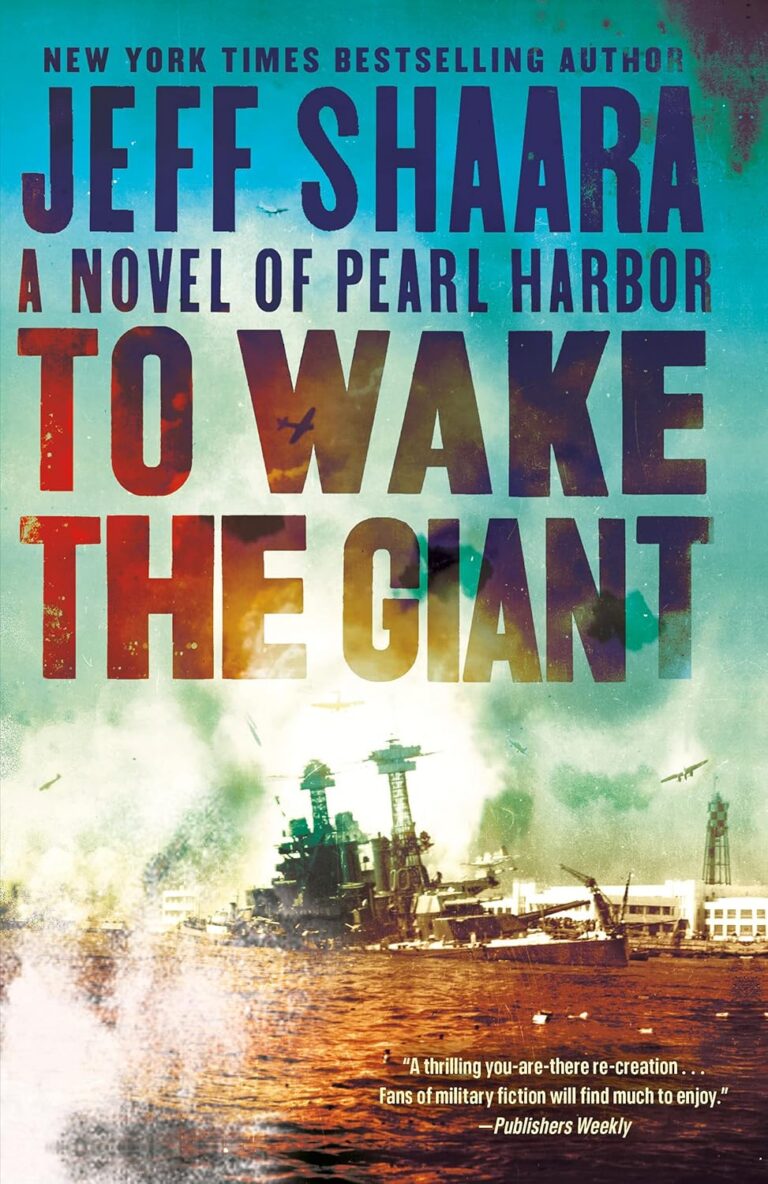
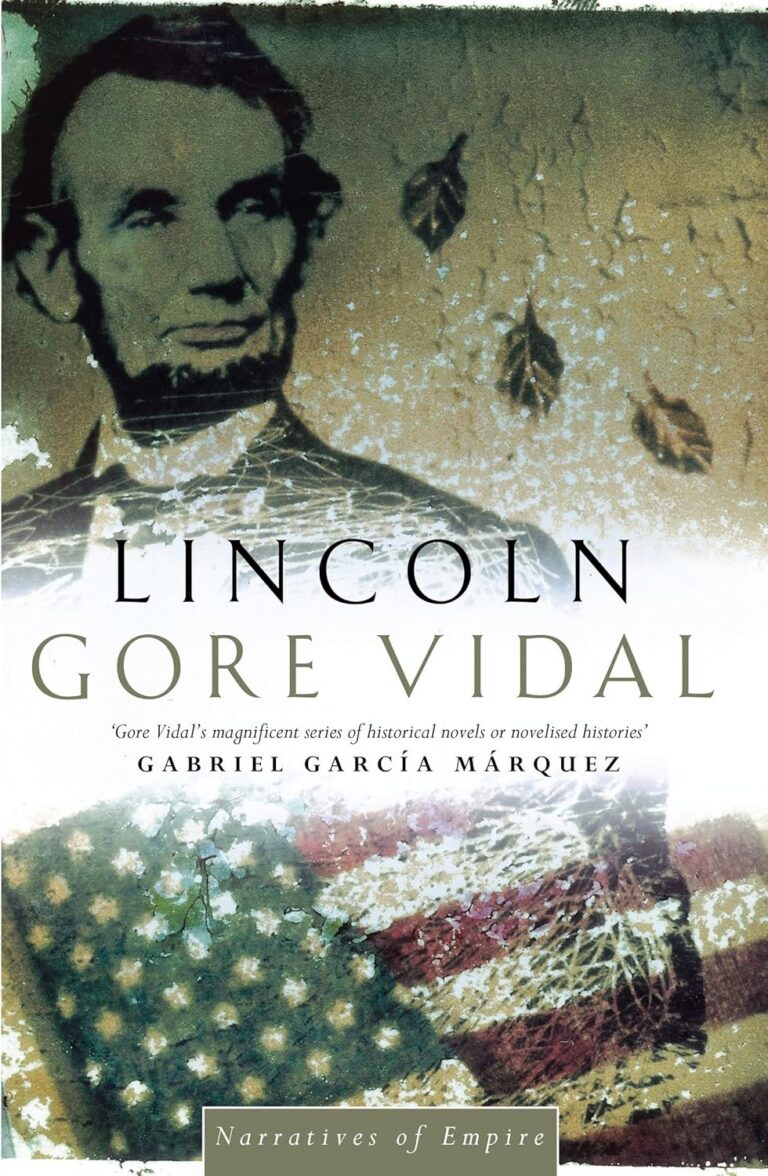
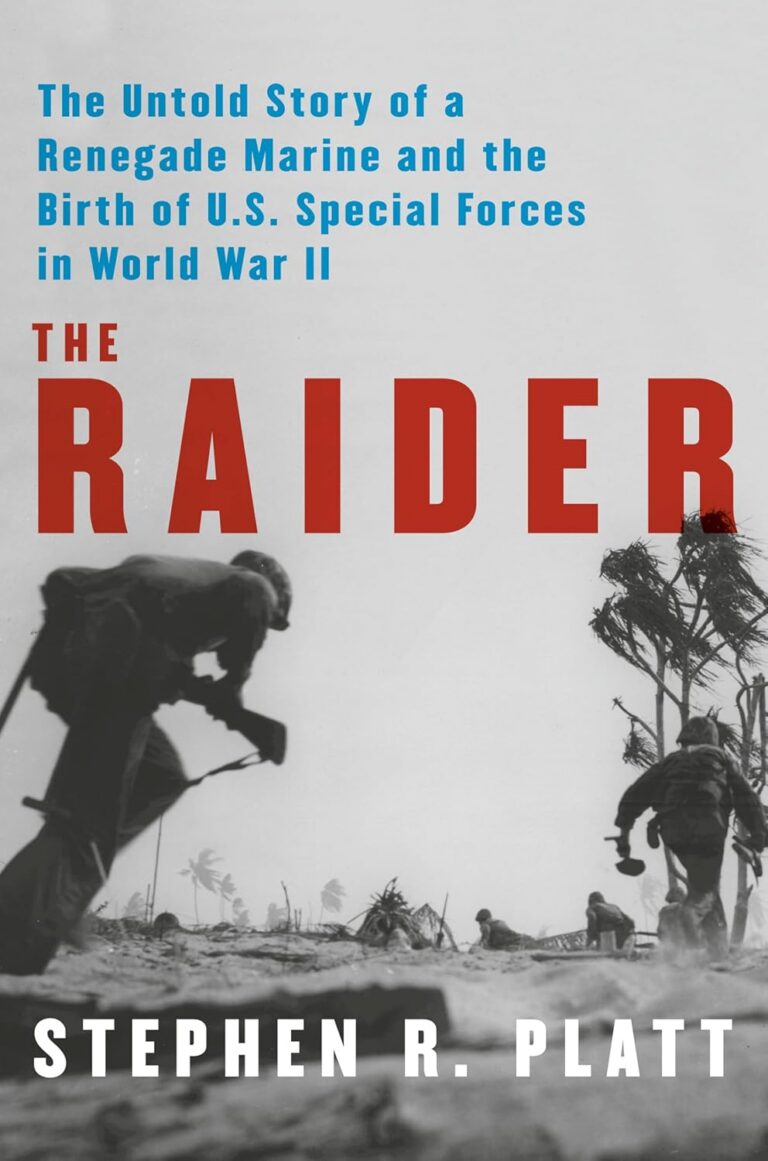
Stephen R. Platt’s The Raider connects Franklin D. Roosevelt to Marine officer Evans Carlson, who reported directly to the president after observing Chinese Communist forces and later developed the Raider concept. Erik Larson’s The Splendid and the Vile follows Churchill’s effort in 1940–41 to convince Roosevelt that Britain can survive long enough to justify deeper American support. Gore Vidal’s The Golden Age brings the Roosevelt White House into the Sanford family’s political and journalistic world as the United States enters the Second World War. Jeff Shaara’s To Wake the Giant dramatises Roosevelt’s attempt to restrain Japan through economic pressure without provoking war before Pearl Harbor. Vidal’s Washington D C shows the capital adapting to Roosevelt’s New Deal and the growing international crisis from 1937 onward.