Books


As an Amazon Associate I earn from qualifying purchases. Affiliate disclosure.
Phase
1903–1918 CE
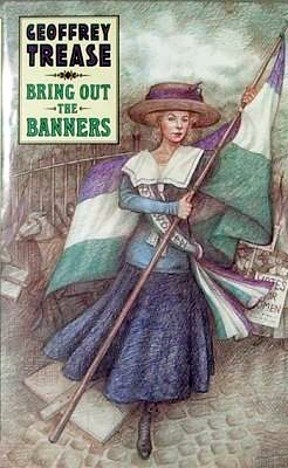
The women’s suffrage movement became one of the defining political movements of Edwardian Britain. Campaigners used petitions, speeches, marches and, in the case of militant suffragettes, direct action and imprisonment. The struggle exposed deep disagreements over citizenship, gender, property, respectability and political violence.
The movement mattered because it forced the state and public opinion to confront women’s political exclusion. It also created intense personal stakes: hunger strikes, family conflict, police violence, prison, surveillance and public scandal. Suffrage fiction can follow activists, servants, journalists, doctors, aristocrats and ordinary women drawn into political risk.
Books
Non-Fiction
Histories, biographies and reference works are listed separately from the historical novels above.