Wilhelm II was German emperor and king of Prussia from 1888 until his abdication in 1918. His assertive personal style, naval expansion and pursuit of Weltpolitik contributed to international tension, although responsibility for German policy remained divided among military, diplomatic and political institutions.
Defeat in the First World War forced him into exile in the Netherlands, where he lived until 1941. Wilhelm II was born in Kronprinzenpalais and died in Huis Doorn.
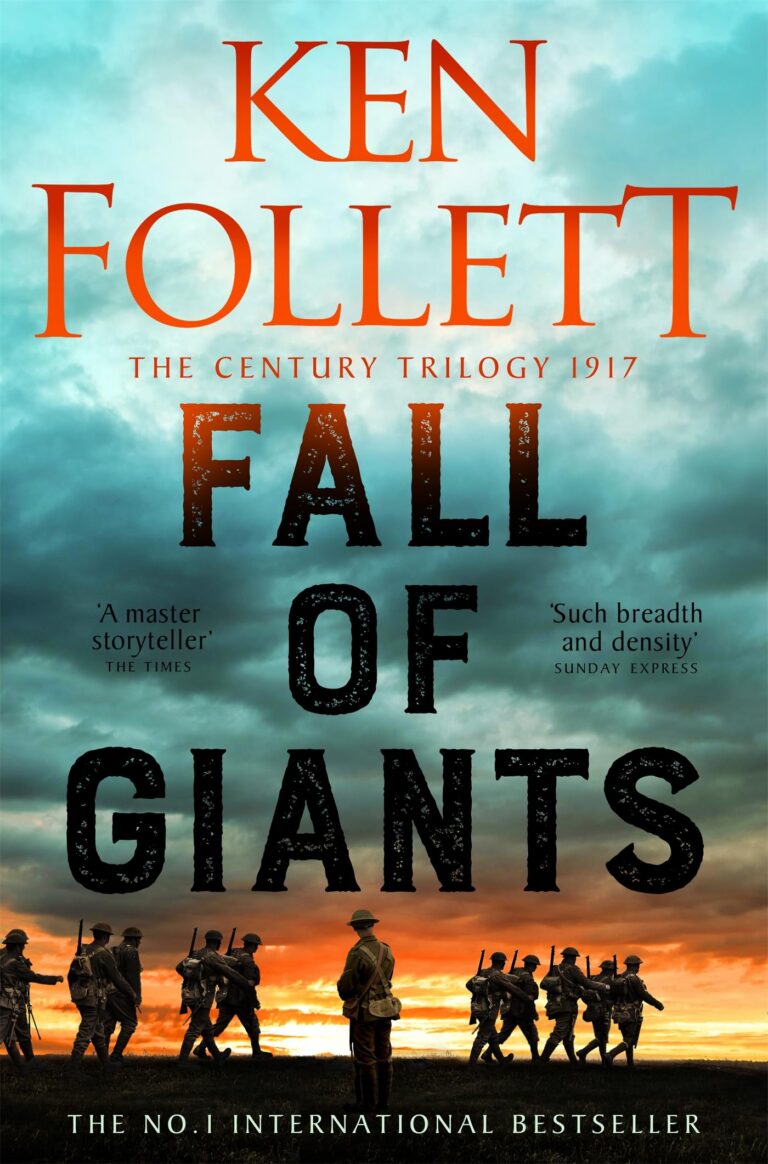
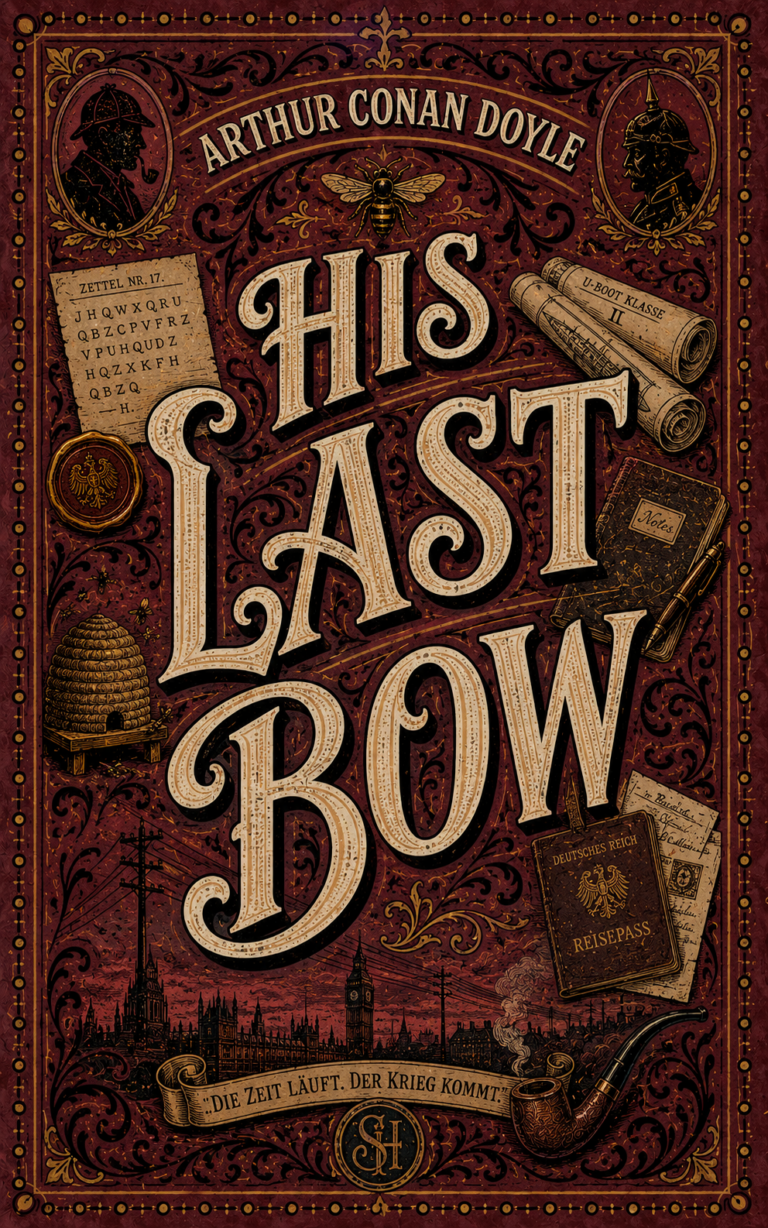
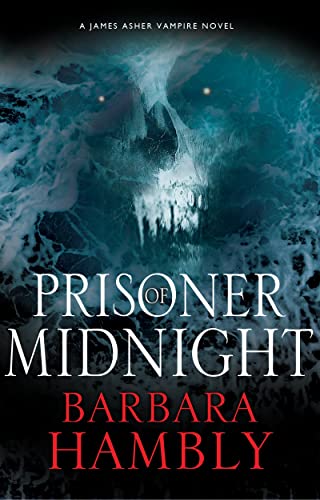
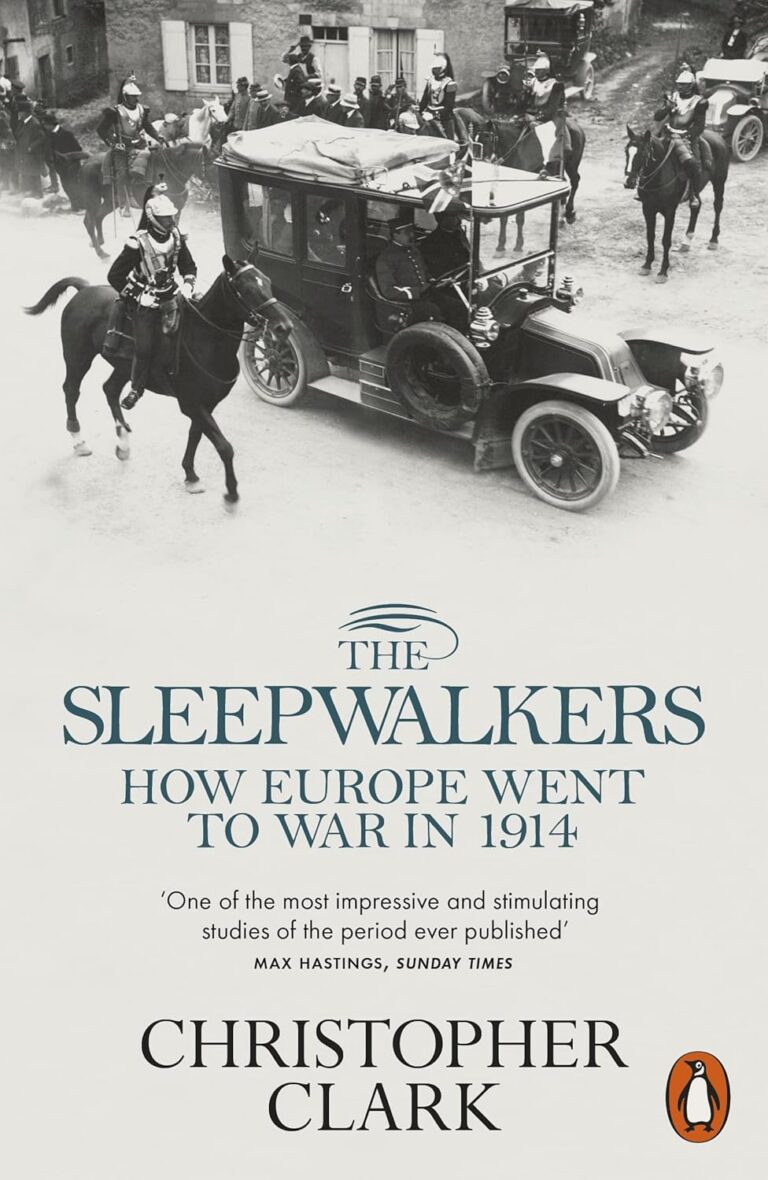
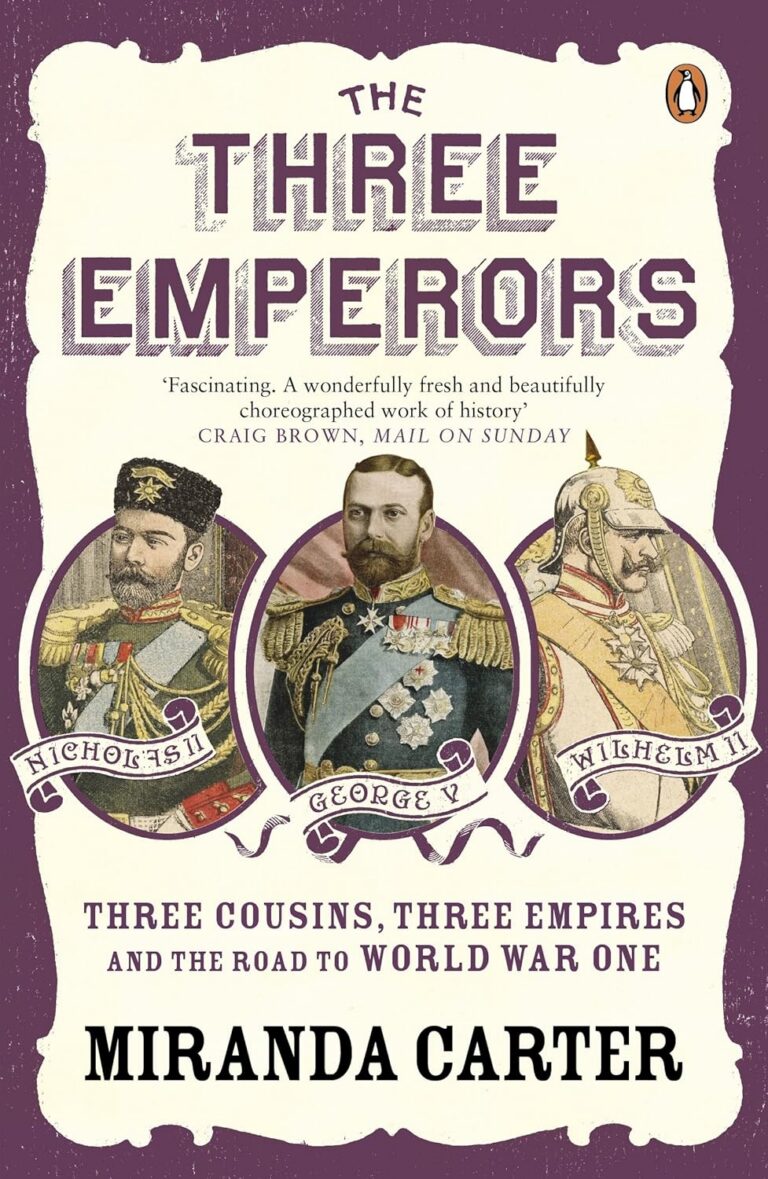
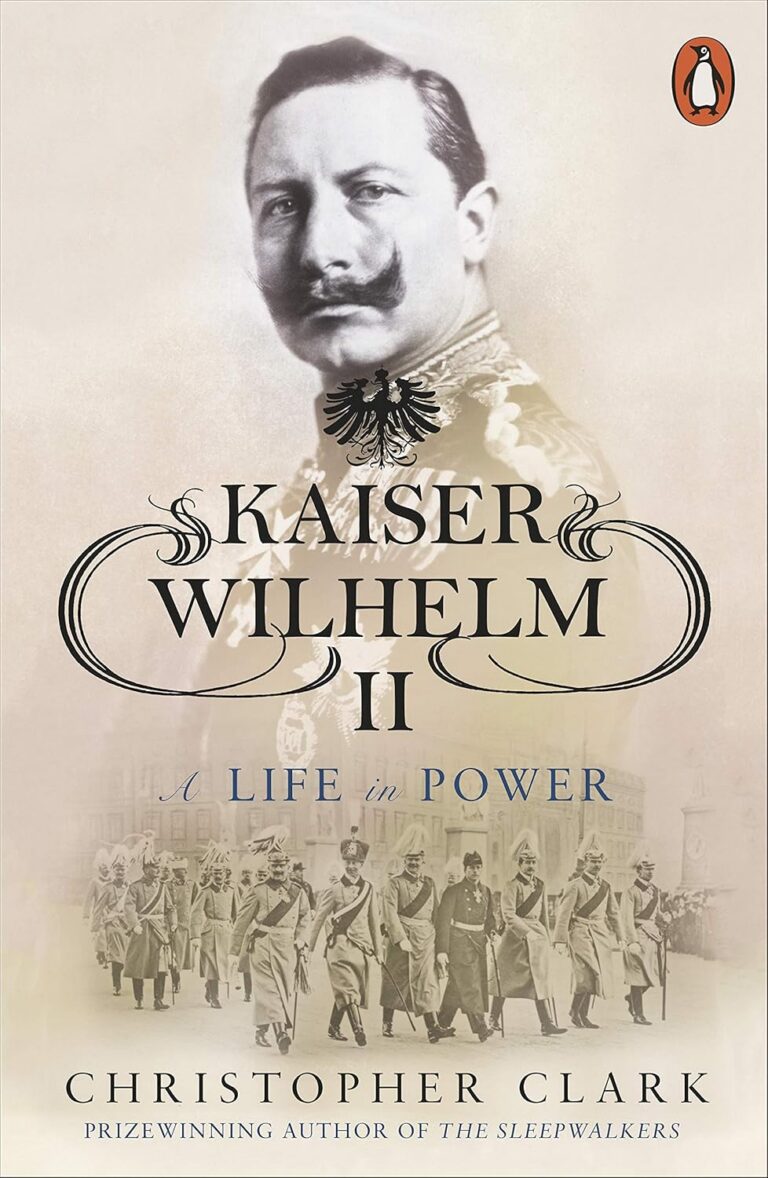
Barbara Hambly’s Blood Maidens turns Wilhelm II into the sponsor of a fictional pre-war scheme to recruit vampires as German weapons, using the Kaiser’s militarised Europe as the novel’s political threat. In Arthur Conan Doyle’s His Last Bow, Holmes emerges from retirement in August 1914 after infiltrating a German spy network gathering intelligence for the Kaiser. Ken Follett’s Fall of Giants places Wilhelm within the dynastic and diplomatic world whose collapse carries German and British families into the First World War. Christopher Clark’s Kaiser Wilhelm II examines his upbringing, dismissal of Bismarck, public interventions and influence within the Wilhelmine political system, while M. J. Carter’s The Three Emperors compares him with his cousins George V and Nicholas II and shows how family intimacy failed to restrain imperial rivalry.