Historical person
George V
1865–1936
George V was King of the United Kingdom and the British Dominions and Emperor of India from 1910 until 1936. A younger son of Edward VII, he unexpectedly became heir after the death of his elder brother and brought a strong sense of duty to a reign marked by constitutional conflict, world war and social change.
During the First World War he adopted the dynastic name Windsor and became a visible symbol of national endurance. His reign also witnessed Irish independence, the rise of Labour and the fall of several European monarchies, developments that encouraged a more restrained and public-service model of British kingship.
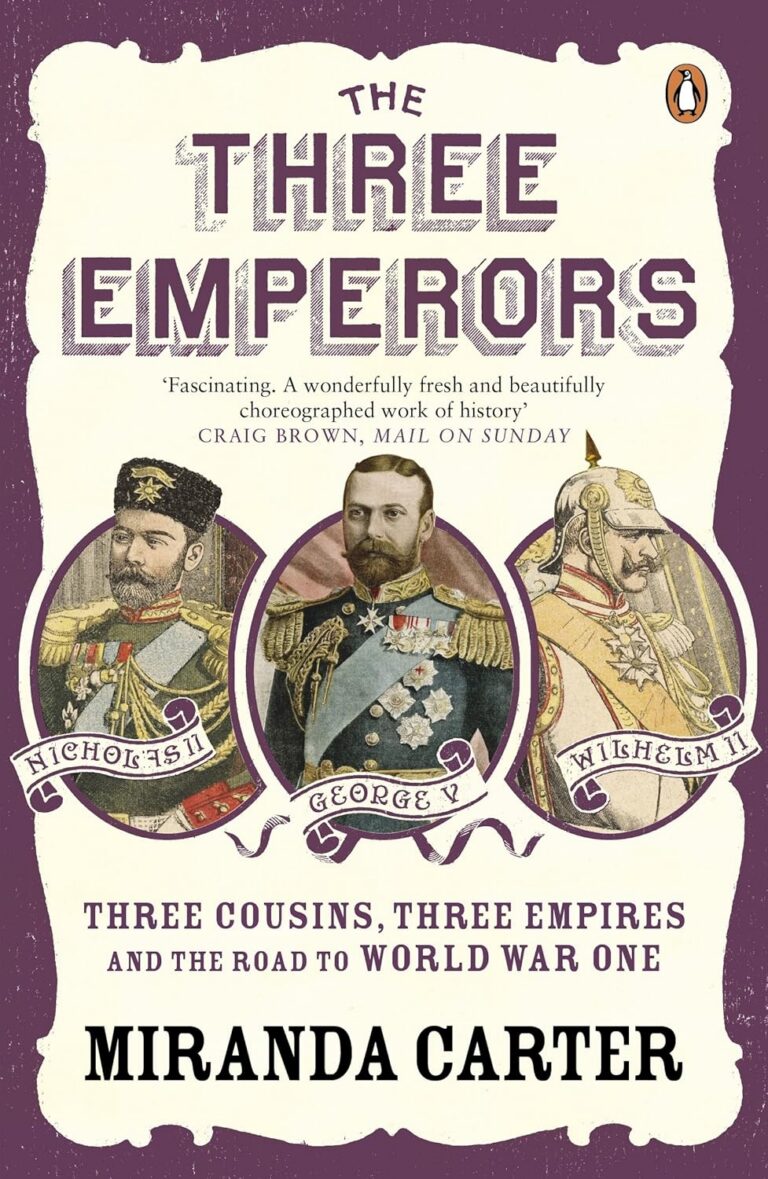
David Cannadine’s George V (Penguin Monarchs) examines how George V, a younger son never expected to inherit, became the monarch who guided the crown through the upheavals of the early twentieth century. M. J. Carter’s The Three Emperors is a comparative biography of George V of Britain, Nicholas II of Russia and Wilhelm II of Germany, first cousins whose family ties connected the courts governing three major European empires.
Non Fiction
Non Fiction featuring George V (2 books)
Biographies, histories and other non-fiction are listed separately from the historical novels above.