Vladimir Lenin was a Russian revolutionary theorist and leader of the Bolshevik Party. He returned from exile in 1917, helped direct the October Revolution and headed the new Soviet government during civil war, economic collapse and the Red Terror.
His policies and political organisation laid foundations for the Soviet state, although illness removed him from active power before his death in 1924. Vladimir Lenin was born in Ulyanovsk and died in Bolshiye Gorki.
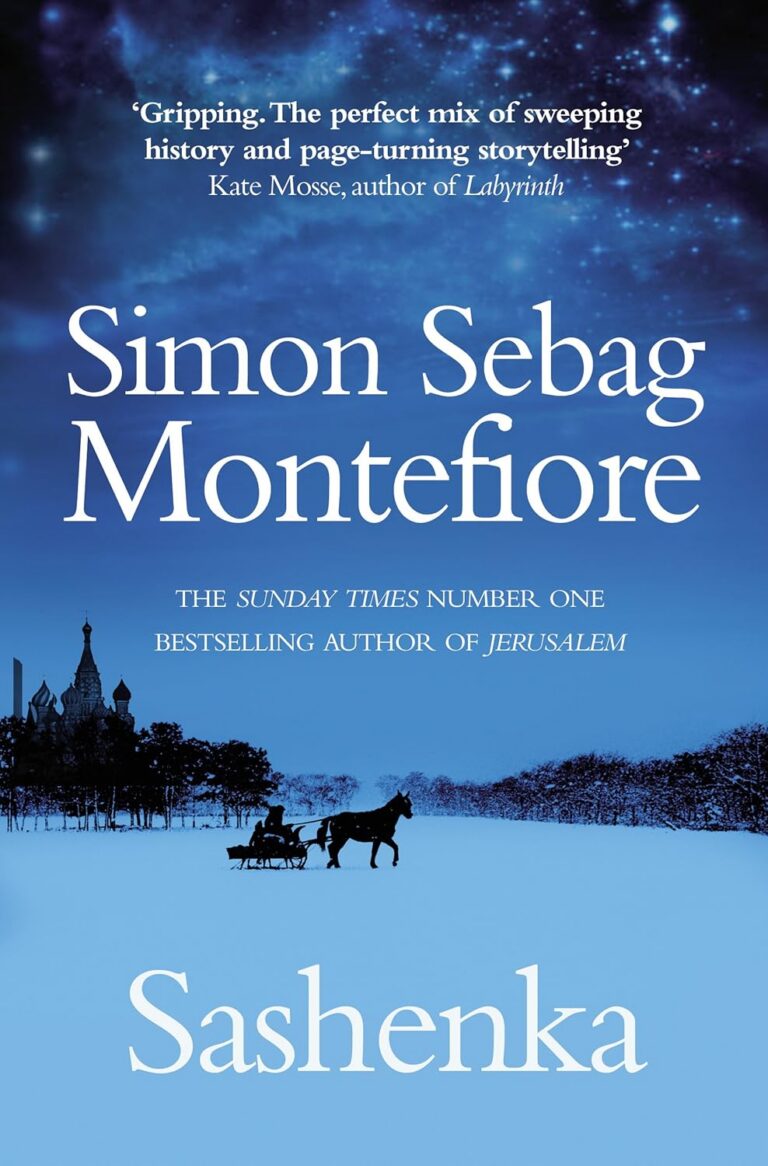
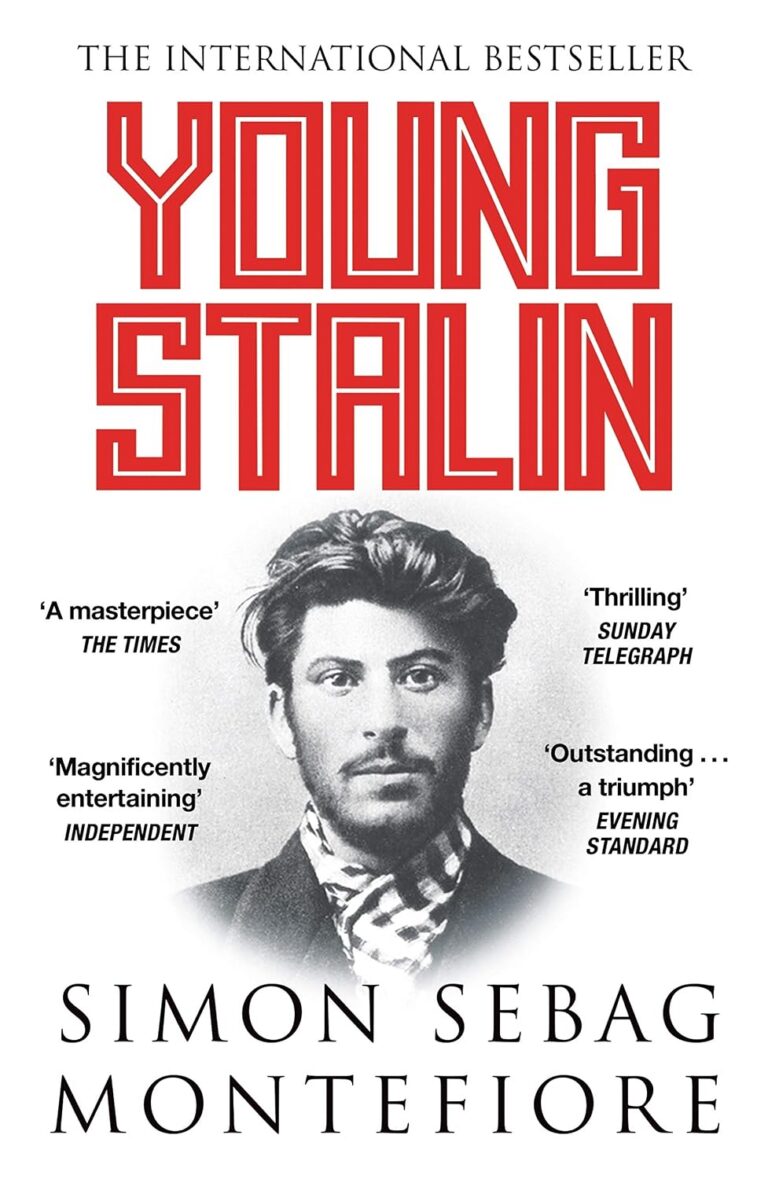
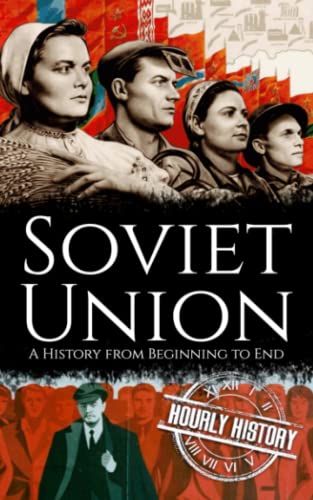
Hourly History’s Russian Revolution follows Lenin’s return from exile, the July crisis and the Bolshevik seizure of power in October 1917. Soviet Union then places his consolidation of the new regime at the beginning of the state later transformed under Stalin. Simon Sebag Montefiore’s Young Stalin shows the younger Georgian revolutionary building his relationship with Lenin inside the Bolshevik underground before 1917. Montefiore’s novel Sashenka mixes fictional family history with appearances by Lenin, Stalin and other revolutionary leaders as private lives are pulled into the new political order. Adam Zamoyski’s Warsaw 1920 presents Lenin as a Soviet leader who believed victory over Poland could carry revolution westward towards Germany, giving the Polish counter-offensive consequences far beyond Warsaw itself.