Series
Series about Late Georgian Reform Era (1 series)
Matthew Hervey in Order
The Matthew Hervey novels follow an English cavalry officer from the final campaign against Napoleon into the unsettled decades after Waterloo. Beginning as a young cornet in the 6th Light Dragoons, Hervey advances through command while trying to reconcile professional duty, personal honour, family obligations and the often…

1. A Close Run Thing
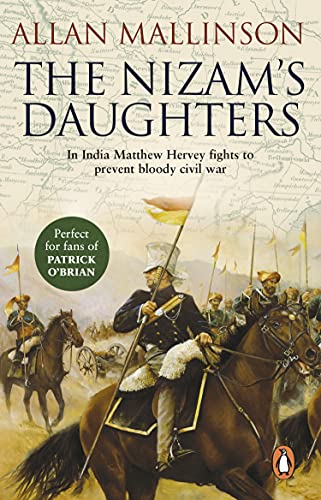
2. The Nizam’s Daughters
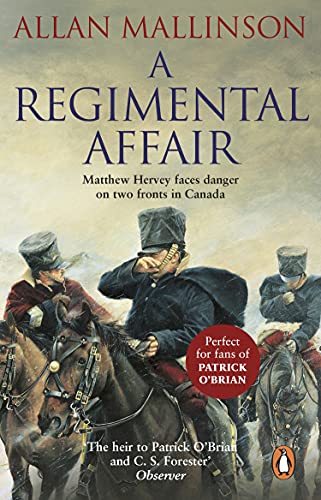
3. A Regimental Affair

4. A Call to Arms
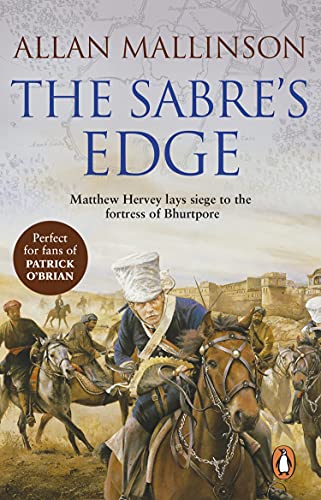
5. The Sabre’s Edge

6. Rumours of War
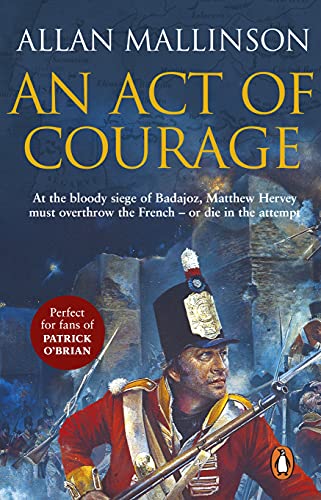
7. An Act of Courage
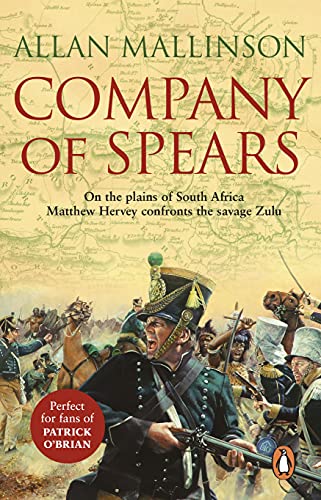
8. Company of Spears
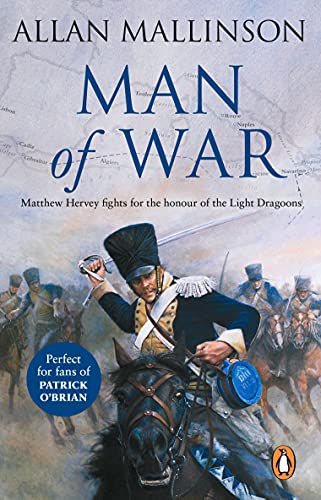
9. Man of War

10. Warrior
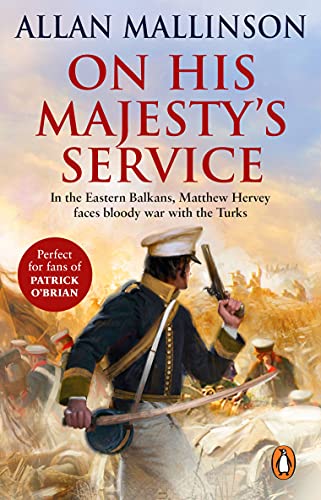
11. On His Majesty’s Service

12. Words of Command
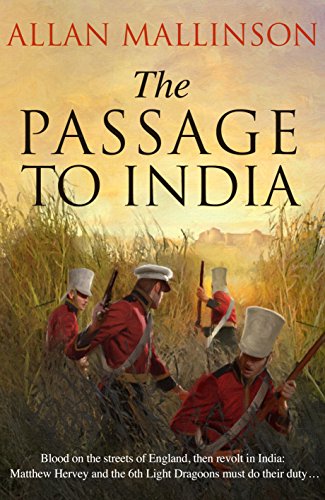
13. The Passage to India