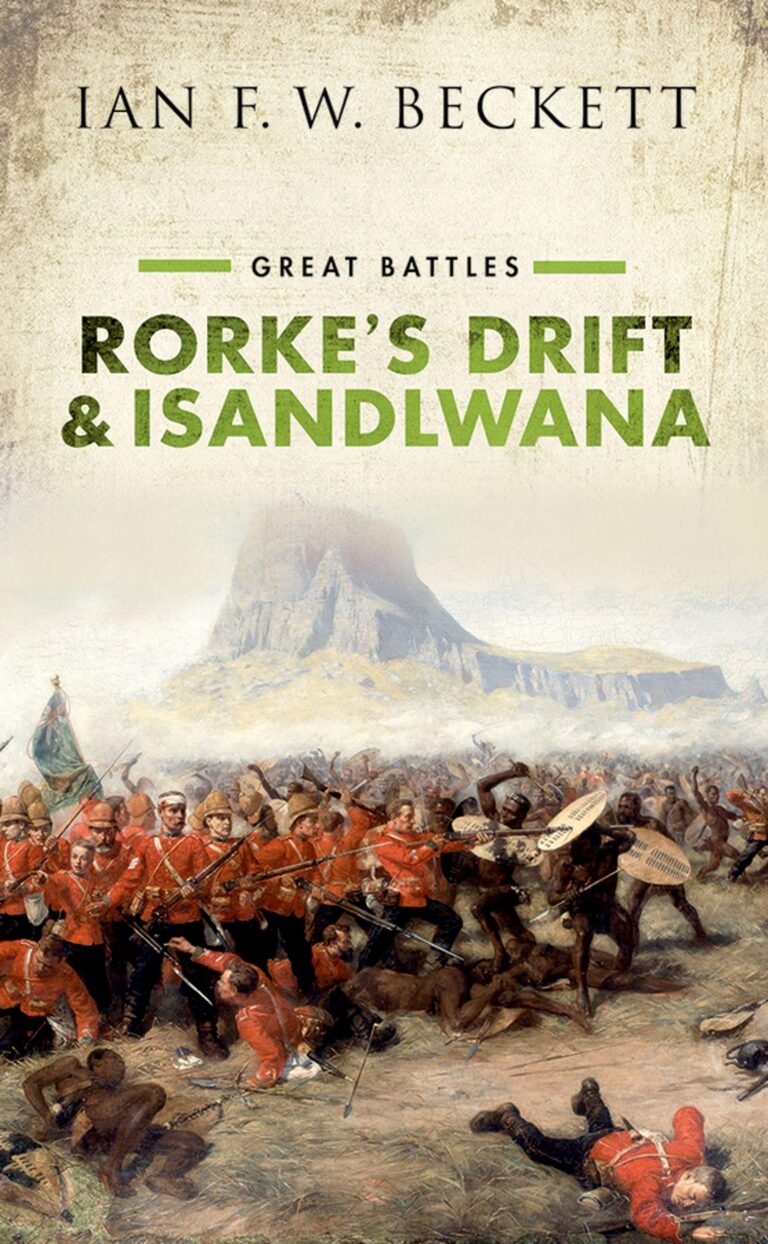
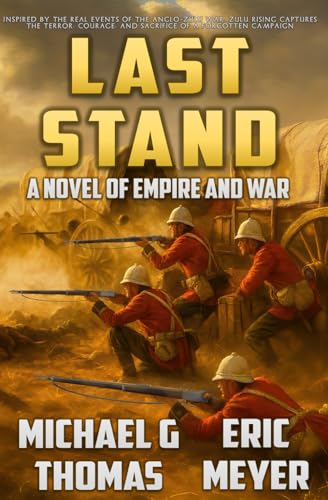
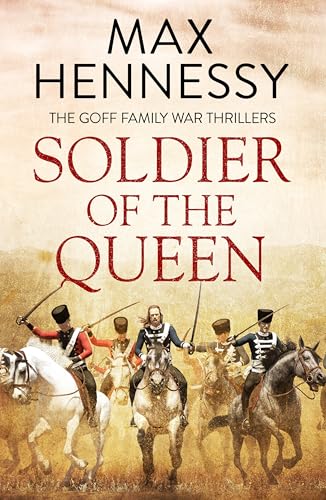
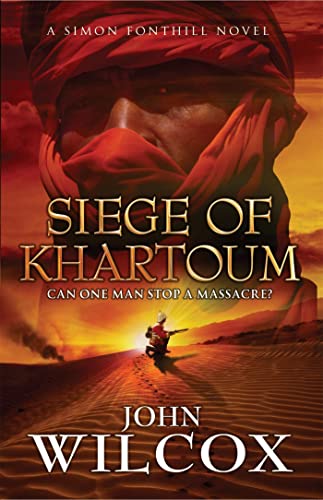
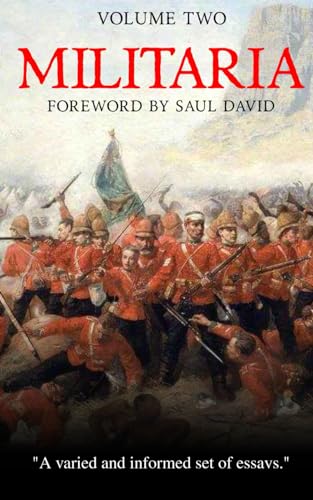
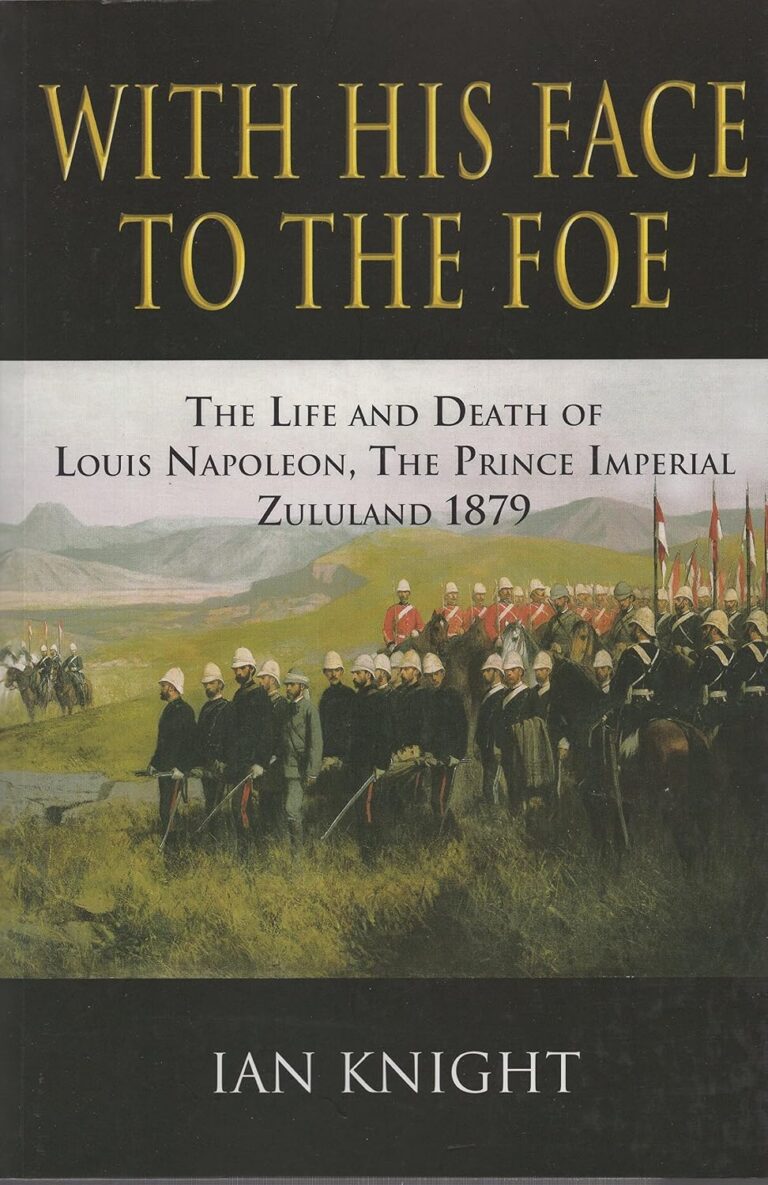
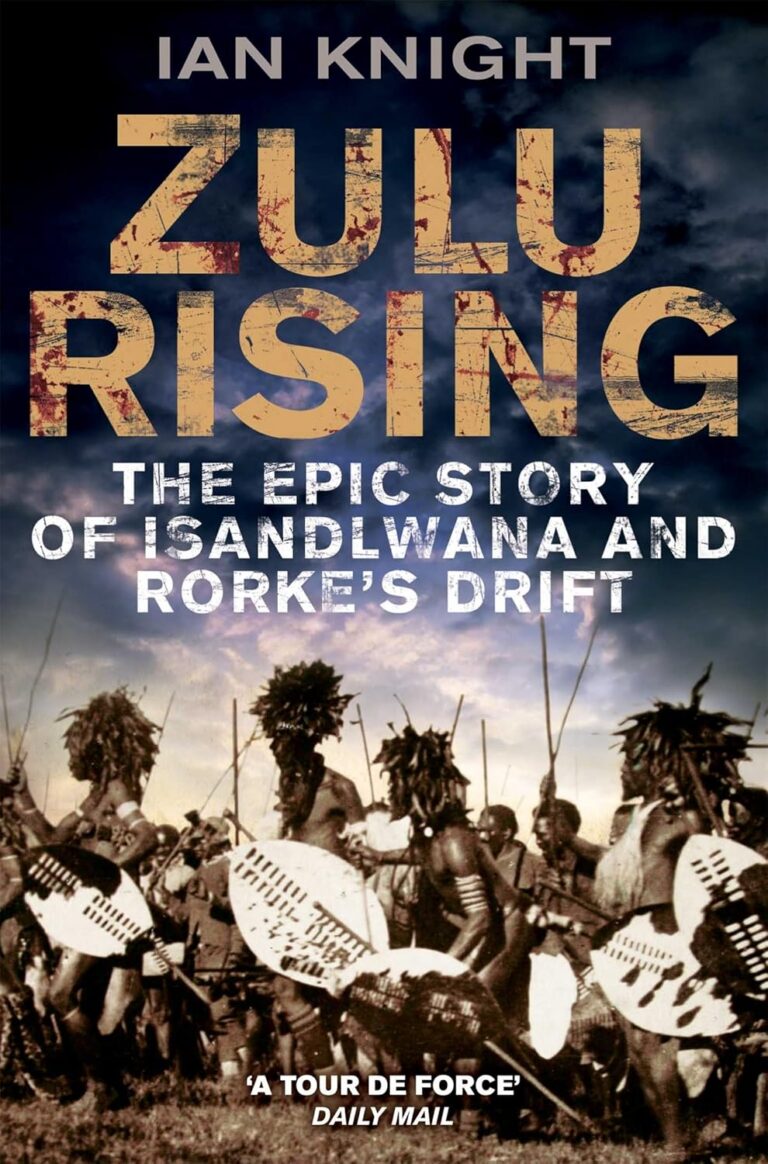
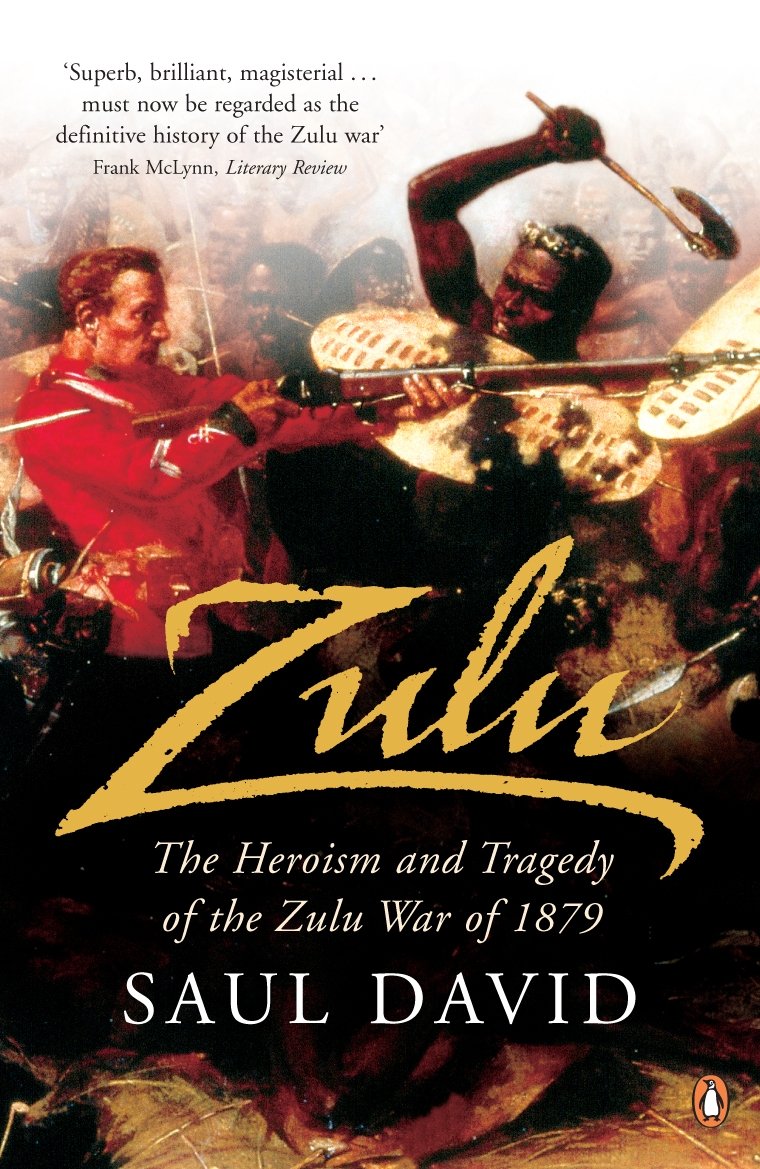
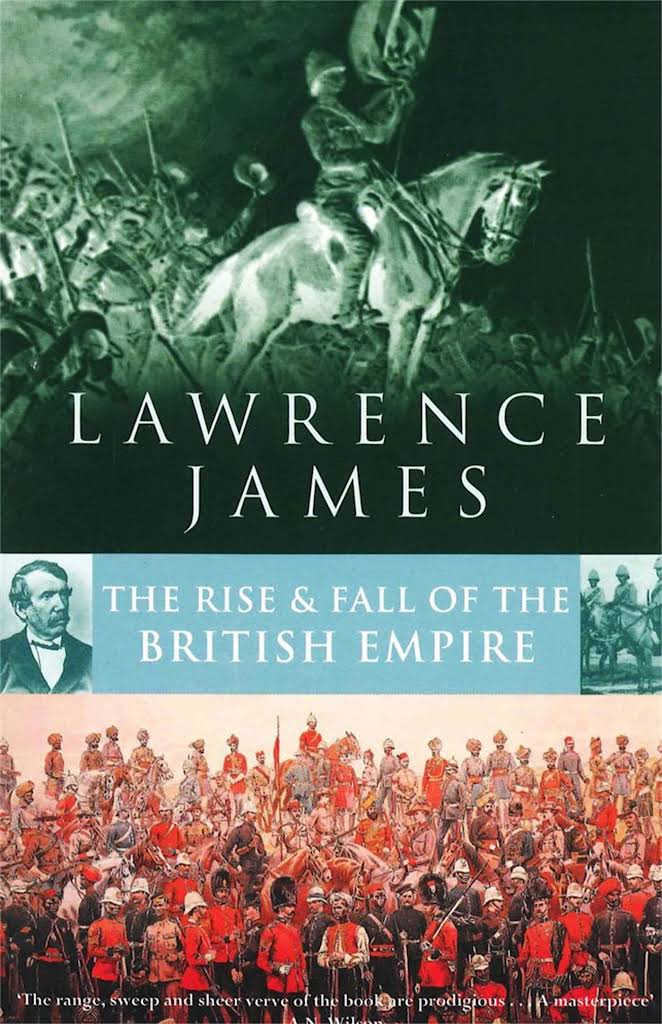
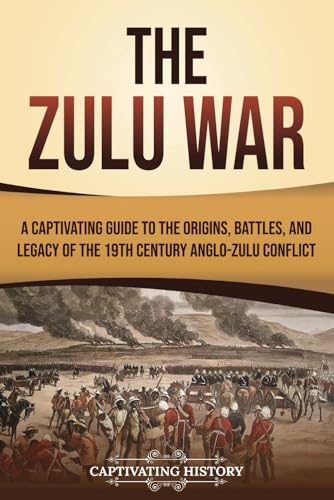
The late Victorian decades saw the British Empire reach a height of territorial and cultural confidence. Imperial wars, missionary activity, global trade, migration and racial ideology shaped how Britain imagined its place in the world. At the same time, Irish nationalism, colonial resistance and rival empires exposed the limits of that confidence.
This phase matters because the glamour of empire was inseparable from coercion, extraction and violence. It also created global settings for fiction: India, Africa, the Pacific, Canada, Australia, the Caribbean and imperial London. Late Victorian stories can follow soldiers, civil servants, missionaries, rebels, merchants and families caught between imperial ambition and moral doubt.
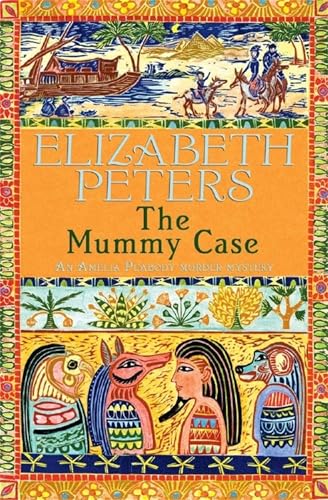
Victorian fiction and fiction set in the Victorian world connect directly to Charles Dickens, Wilkie Collins and Anthony Trollope, while modern historical novels by Sarah Waters, Michel Faber, Laura Purcell and Elizabeth Macneal use the period for crime, class, theatre, sex, medicine and social pressure. Series fiction also works strongly here, from Anne Perry's Victorian mysteries to C. S. Harris's late-Georgian/Regency edge and Oscar de Muriel's darker Victorian investigations. A Victorian archive page can therefore move between canonical nineteenth-century novels and modern historical series set among factories, railways, workhouses, drawing rooms and city streets.