Haile Selassie was emperor of Ethiopia and one of the major African rulers of the twentieth century. His resistance to Italian invasion, exile and restoration during the Second World War made him a symbol of Ethiopian sovereignty and anti-fascist resistance.
Haile Selassie also held the offices or ranks of dejazmach, Ras, Negus, and chairperson of the Organisation of African Unity. Haile Selassie belonged to the House of Solomon and operated within Ethiopian Empire. Haile Selassie was born in Ejersa Goro and died in Addis Ababa.
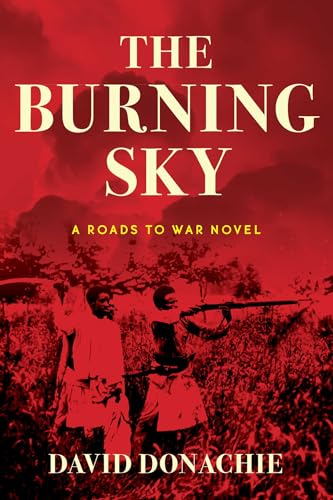
Captivating History’s The Italian Invasion of Ethiopia follows Haile Selassie as the emperor directing Ethiopian resistance to Mussolini’s 1935 invasion and then carrying his country’s appeal to the international stage. Christopher Nicole’s The Sword and the Scalpel places its protagonist with Selassie’s forces, using service in the Ethiopian army to bring the emperor’s struggle against Italy into the story. Wilbur Smith’s Cry Wolf and David Donachie’s The Burning Sky both approach the same crisis through outsiders carrying arms into Abyssinia as invasion approaches, making Selassie’s government the cause they are trying to sustain. African Kings sets him beside rulers such as Shaka to examine how royal authority, diplomacy, reform and war were used to preserve political independence in very different African states.