
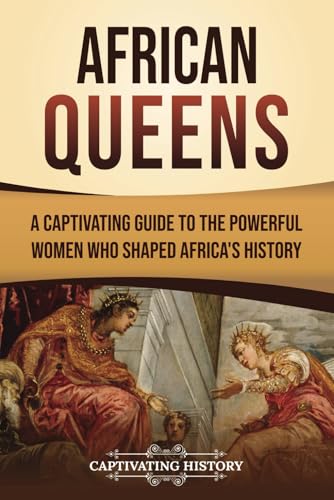
1. African Queens
African Queens explores the lives of powerful women who exercised political, military and dynastic authority across African history. It considers queens, regents and royal women from different regions, placing their careers within the kingdoms, court rivalries, diplomatic networks and conflicts of their time. The book focuses…
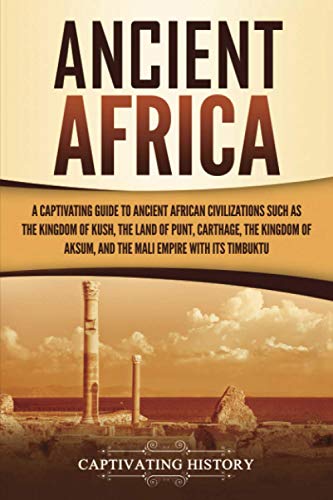
2. Ancient Africa
Ancient Africa surveys major African civilisations before the modern era, from the Nile kingdoms of Kush and the trading power of Aksum to the empires of the western Sahel and the scholarly centre of Timbuktu. It examines kingship, religion, warfare, long-distance trade and cultural exchange across…
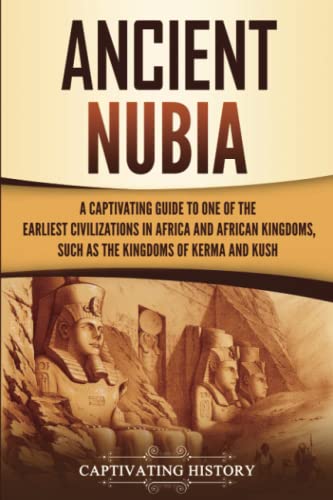
3. Ancient Nubia
Ancient Nubia explores the civilisations that developed south of Egypt along the Nile, with particular attention to Kerma and the Kingdom of Kush. It describes Nubian kingship, trade, military power, religion and monumental culture, as well as the long and changing relationship between Nubia and Egypt.…
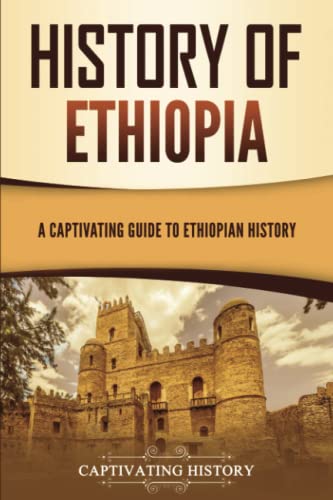
4. History of Ethiopia
History of Ethiopia surveys the country’s long political and cultural development from ancient states in the Horn of Africa to the modern era. It examines the kingdom of Aksum, the growth of Ethiopian Christianity, imperial dynasties, relations with neighbouring Muslim powers, European intervention and the challenges…
5. History of South Africa
History of South Africa traces the region from Indigenous societies and European settlement through colonial expansion, frontier conflict, the mineral revolution and the wars that created the Union of South Africa. It follows the development of racial segregation into apartheid, the resistance it generated and the…
6. Medieval Africa
Medieval Africa surveys the kingdoms, empires and trading societies that flourished across the continent during the Middle Ages. It covers states such as Ghana, Mali, Songhai, Ethiopia and Great Zimbabwe, alongside the trans-Saharan, Red Sea and Indian Ocean trade networks that linked African communities to wider…
7. Modern Africa
Modern Africa surveys the political transformation of the continent from the age of European imperialism through decolonisation and into the post-colonial era. It examines colonial rule, nationalist movements, independence struggles, Cold War interventions and the problems faced by newly sovereign states. The book also considers economic…
8. The Boer War
The Boer War examines the South African War of 1899–1902 between the British Empire and the Boer republics of the Transvaal and Orange Free State. It follows the early Boer offensives, the British counterattack and the shift to guerrilla warfare, scorched-earth tactics and concentration camps. The…
9. The Italian Invasion of Ethiopia
The Italian Invasion of Ethiopia recounts Mussolini’s 1935–36 war against one of Africa’s few independent states. It follows the mobilisation of Italian forces from Eritrea and Somaliland, Ethiopian resistance under Emperor Haile Selassie and the use of overwhelming firepower and chemical weapons. The book also examines…
10. The Kingdom of Kush
The Kingdom of Kush explores the Nubian state that flourished along the Nile south of Egypt and at times became a major regional power. It follows Kushite centres at Napata and Meroë, trade networks, religion, kingship and military strength, including the period when Kushite rulers conquered…
11. The Scramble for Africa
The Scramble for Africa examines the rapid European partition and conquest of most of the continent during the late nineteenth century. It explains the commercial, strategic and ideological motives of competing imperial powers, the Berlin Conference and the military campaigns used to impose colonial rule. The…
12. The Zulu War
The Zulu War examines the 1879 Anglo-Zulu conflict created by British expansion in southern Africa and the determination to break the independent Zulu kingdom. It follows the invasion of Zululand, the catastrophic British defeat at Isandlwana, the defence of Rorke’s Drift and the renewed campaign that…