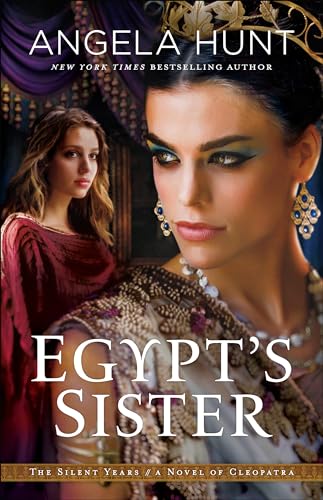
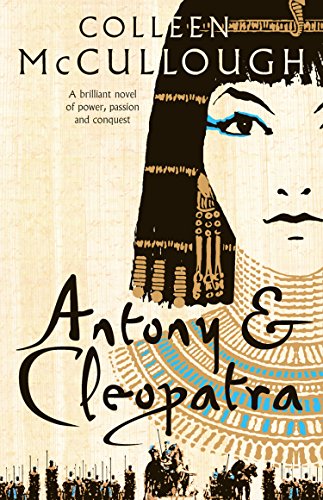
Cleopatra VII was the last active ruler of Ptolemaic Egypt. She came to the throne in 51 BC, fought a dynastic struggle with her brother Ptolemy XIII and regained power with the support of Julius Caesar. After Caesar’s death she formed a political and personal alliance with Mark Antony as both rulers tried to preserve their position against Octavian’s expanding power.
After securing her throne with Roman support, Cleopatra ruled as an active monarch rather than merely as a client of Rome. Her relationship with Julius Caesar strengthened her position during the Alexandrian civil war, and she later presented their son Caesarion as her co-ruler. She cultivated the religious and royal imagery of the Ptolemaic monarchy while managing Egypt’s finances, diplomacy and regional ambitions.
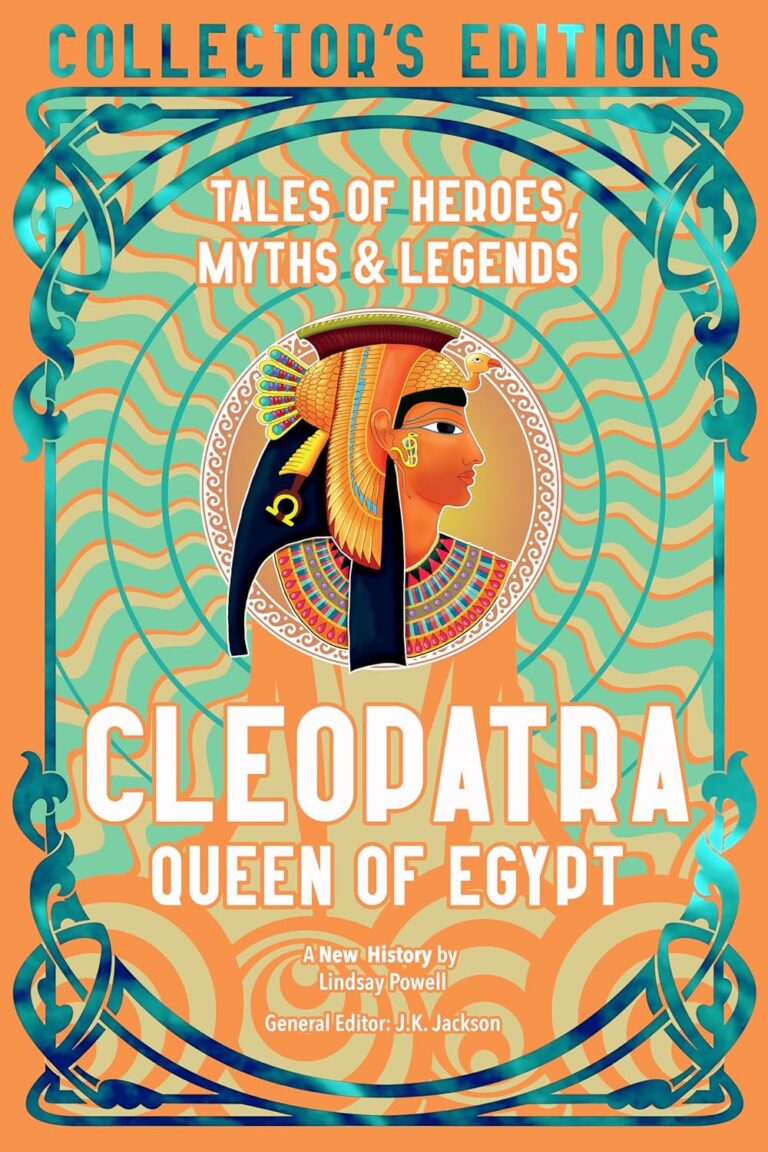
In H. Rider Haggard’s Cleopatra, Harmachis, a descendant of Egypt’s old royal line and priest of Isis, is trained to overthrow Cleopatra and end Macedonian rule. Lindsay Powell’s Cleopatra Queen of Egypt presents the life and reign of Cleopatra VII, the final active ruler of Ptolemaic Egypt. Historical accounts that place Cleopatra in context include Mary Beard’s Confronting the Classics, Lindsay Powell’s Julius Caesar, Lindsay Powell’s Marcus Agrippa, Cassius Dio’s The Roman History: Reign of Augustus, and Antonia Fraser’s The Warrior Queens.