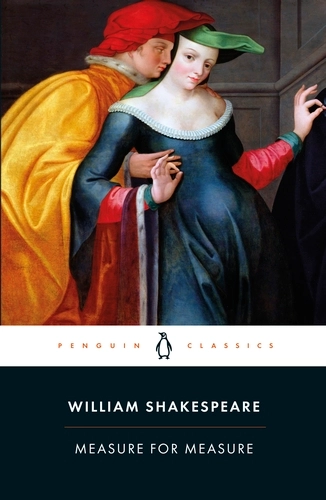
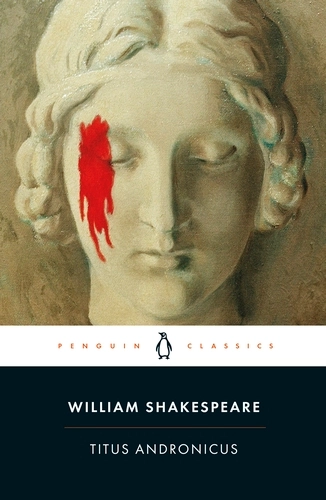
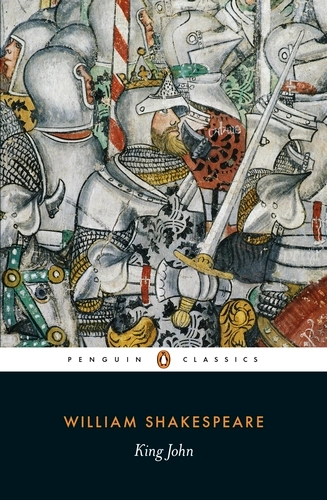
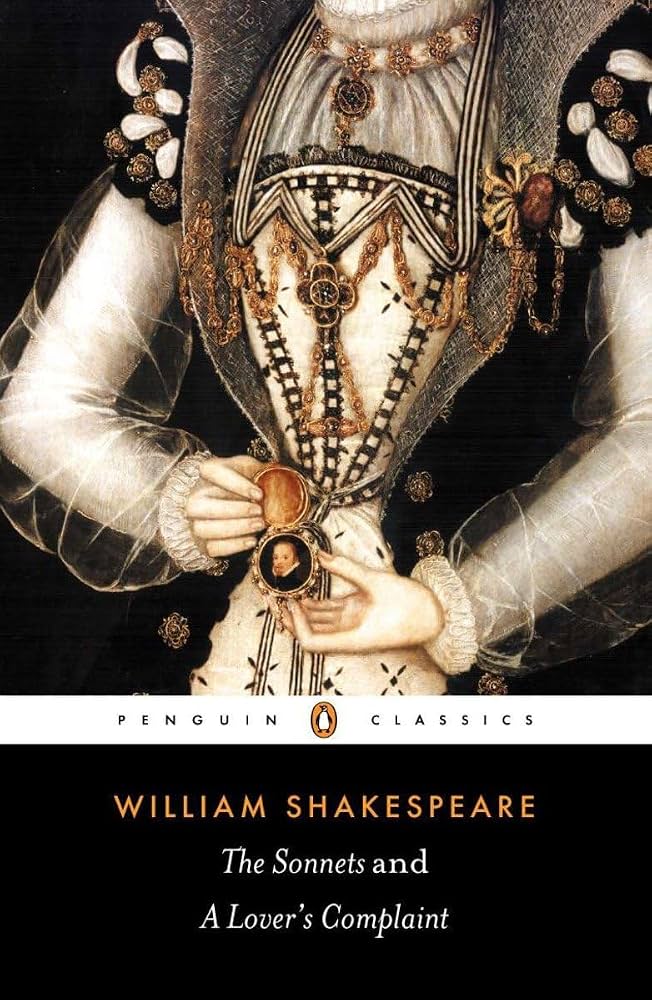
William Shakespeare was an English playwright, poet and actor whose work became central to English-language literature and theatre. Born in Stratford-upon-Avon in 1564, he established himself in London during the late Elizabethan period and became a leading member and shareholder of the Lord Chamberlain’s Men, later known as the King’s Men. His company performed at venues including the Globe Theatre and at the royal court. Shakespeare’s career spanned the reigns of Elizabeth I and James I, and his plays repeatedly engage with monarchy, succession, civil conflict, ambition, family loyalty, love and the instability of political power.
Relatively little survives about Shakespeare’s private life compared with his enormous literary reputation. He married Anne Hathaway in 1582 and had three children, Susanna and the twins Hamnet and Judith. By the early seventeenth century he had accumulated substantial property in Stratford while continuing to write and work in the London theatre. He appears to have retired gradually from theatrical life before his death in Stratford in 1616. His reputation grew markedly after his death, particularly following the publication of the First Folio in 1623, which preserved many plays that might otherwise have been lost.
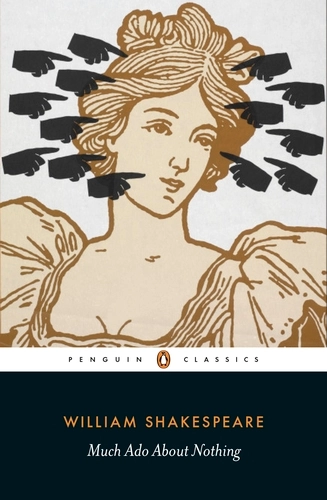
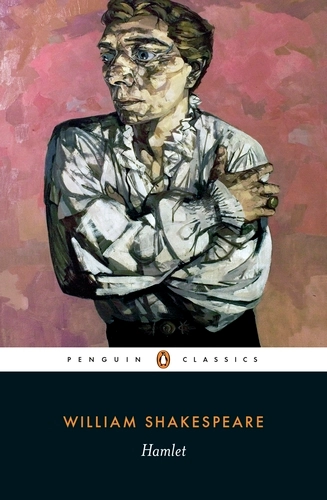
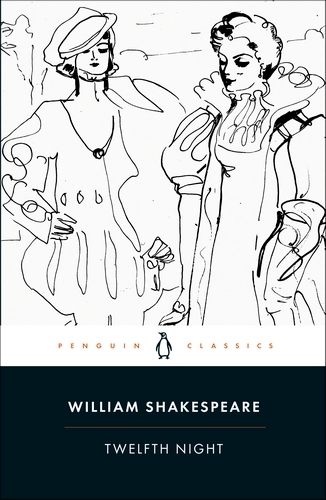
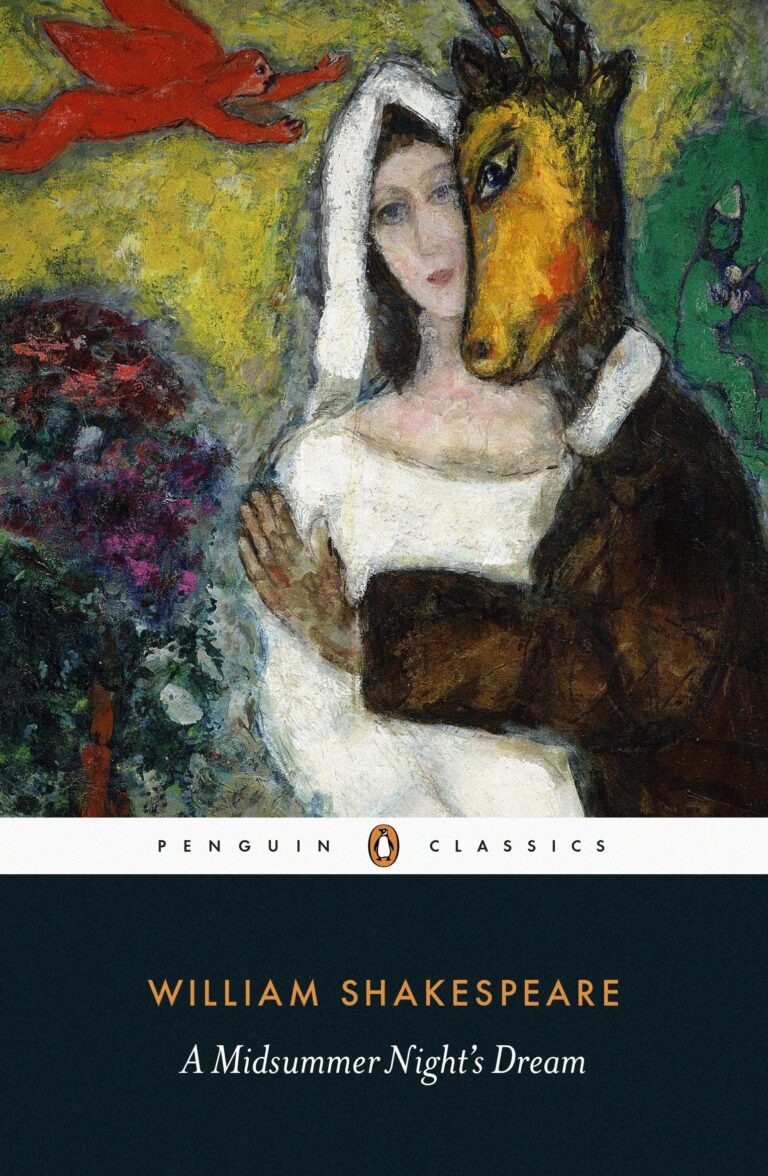
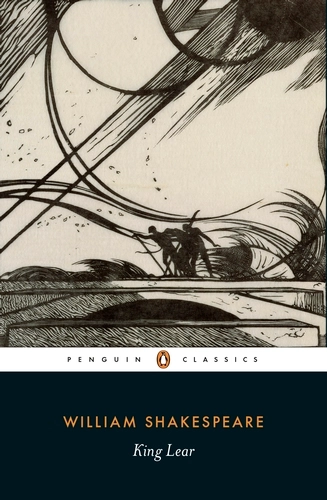
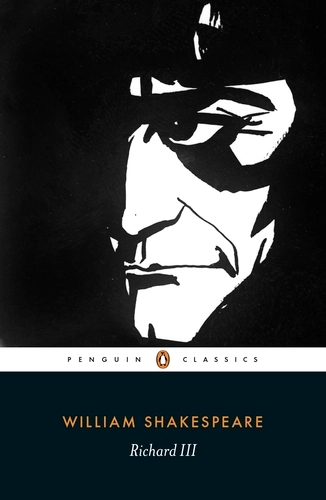
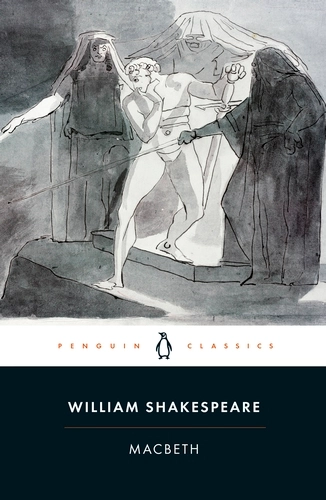
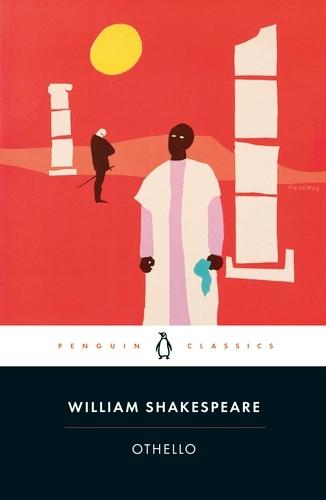
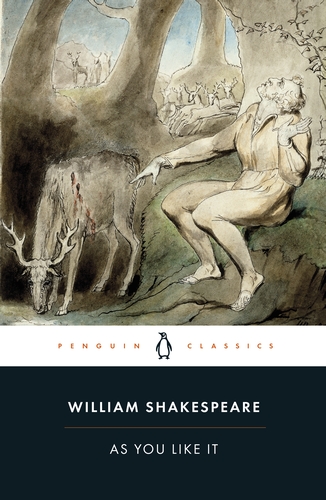
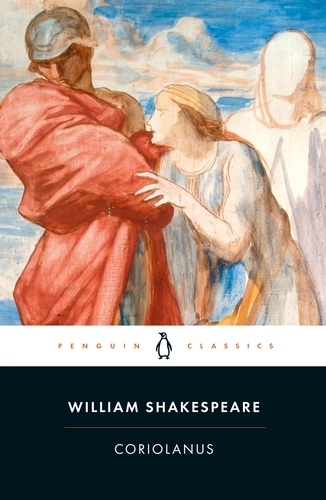
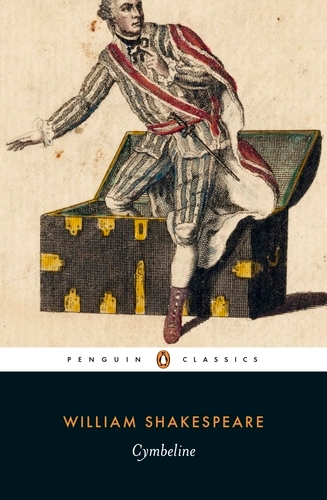
Shakespeare’s dramatic works range from comedies such as A Midsummer Night’s Dream, Twelfth Night and Much Ado About Nothing to tragedies including Hamlet, Macbeth, Othello and King Lear. His English history plays dramatise the struggles surrounding medieval kings including Richard II, Henry IV, Henry V, Henry VI and Richard III, while works such as Julius Caesar, Antony and Cleopatra and Coriolanus turn to the politics and warfare of the ancient Roman world. His later plays, including The Tempest, Cymbeline and The Winter’s Tale, combine elements of tragedy, comedy, romance and reconciliation.
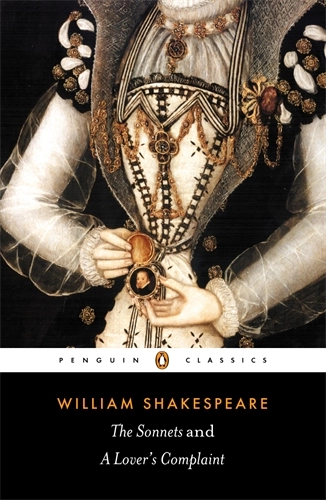
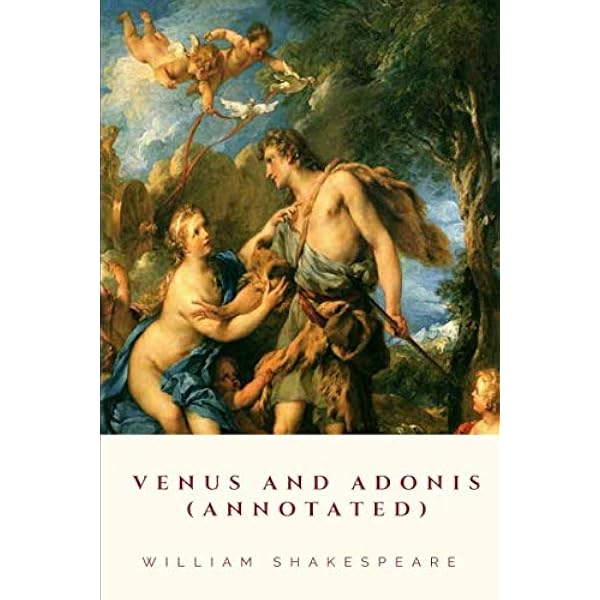
Shakespeare was also a major poet. His 154 sonnets explore love, beauty, ageing, jealousy, betrayal, mortality and the ability of poetry to preserve memory. The narrative poems Venus and Adonis and The Rape of Lucrece were among his most successful works during his lifetime, while The Phoenix and the Turtle and A Lover’s Complaint show different aspects of his poetic range. Across the plays and poems, Shakespeare created characters and phrases that have remained culturally influential for more than four centuries, while the historical settings of many works continue to shape popular perceptions of figures ranging from Julius Caesar and Cleopatra to Henry V and Richard III.