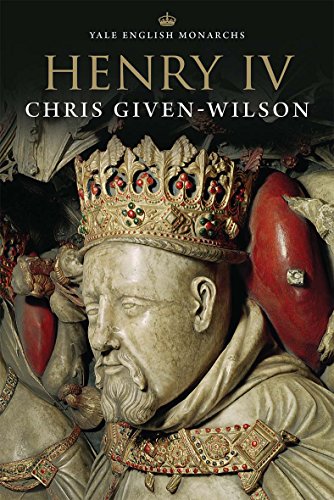
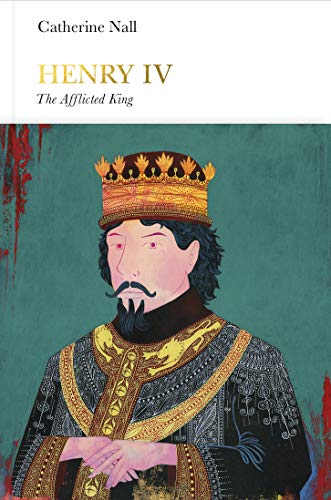
Henry IV seized the English throne in 1399 after returning from exile and forcing his cousin Richard II to abdicate. Although he claimed hereditary and parliamentary justification, doubts about legitimacy persisted throughout his reign.
He faced the revolt of Owain Glyndŵr, rebellion by the Percy family and repeated plots, while illness weakened him in later years. His survival established the Lancastrian dynasty but left unresolved claims that later fed the Wars of the Roses. Henry IV of England was born in Bolingbroke Castle and died in Westminster.
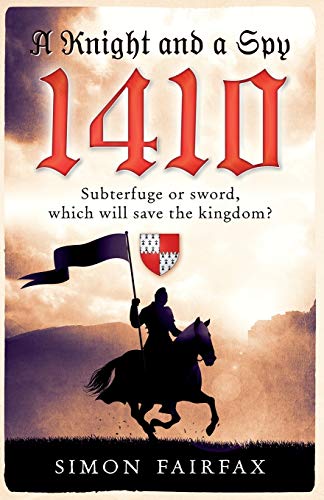
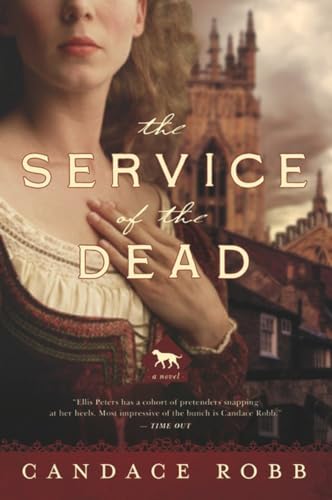
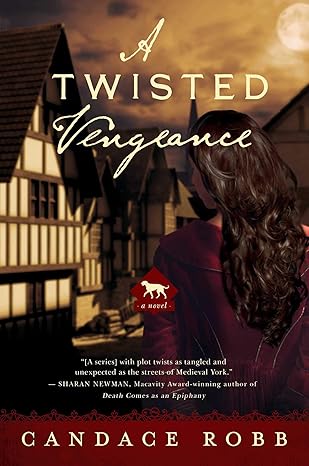
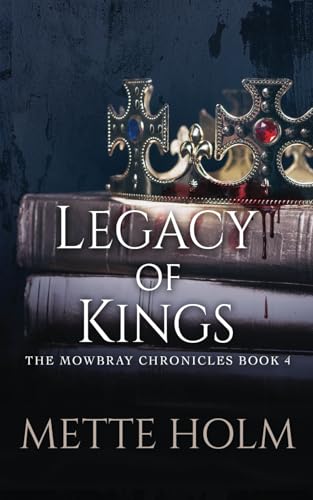
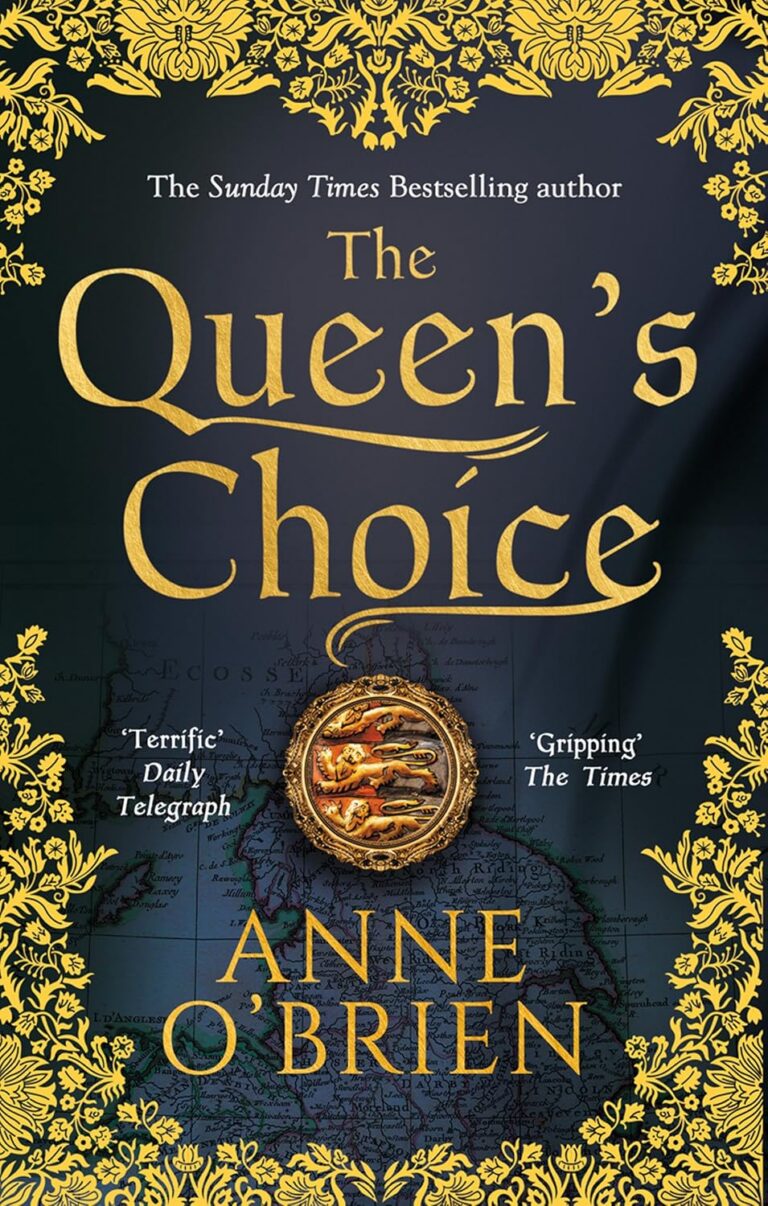
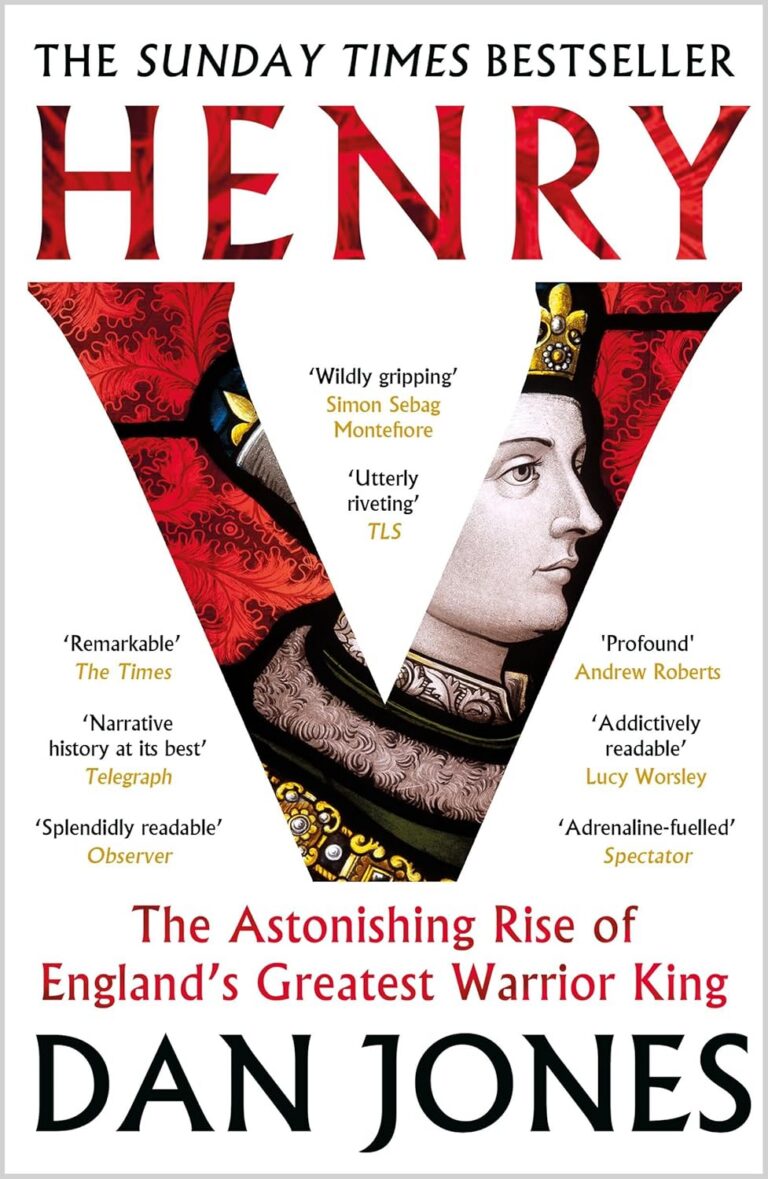
Anne O’Brien’s The Queen’s Choice shows Henry IV through his marriage to Joan of Navarre, whose arrival in England ties personal sacrifice to the insecure politics of the Lancastrian regime. Simon Fairfax’s A Knight and a Spy 1410 uses Henry’s illness and worsening relationship with Prince Hal to create a court where intelligence work is inseparable from the succession. Candace Robb’s A Twisted Vengeance begins with Henry Bolingbroke’s 1399 return to reclaim his inheritance, allowing the upheaval that will make him king to destabilise York. Mette Holm’s Legacy of Kings takes his usurpation as the political danger that drives Argyle Mowbray away from England. Dan Jones’ Henry V then treats Henry IV as the father whose seizure of the crown, rebellions and contested legitimacy formed the political apprenticeship of his heir.