Series
Series about Battle of Agincourt (1 series)
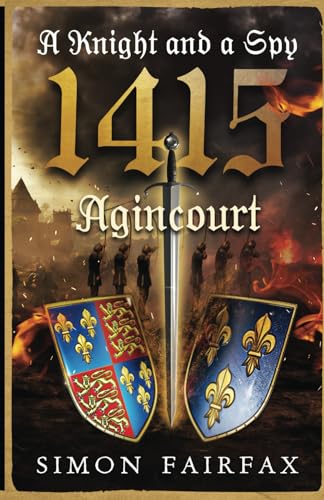
The Road to Agincourt- King’s Spy in Order
The Road to Agincourt: King’s Spy follows Sir James de Grispere through the final years before Henry V’s French campaign. Beginning under the failing rule of Henry IV and ending at Agincourt, the sequence combines court espionage, diplomatic missions, Channel piracy, Lollard conspiracy, the Western Schism and the…

1. A Knight and a Spy 1410

2. A Knight and a Spy 1411

3. A Knight and a Spy 1412

4. A Knight and a Spy 1413

5. A Knight and a Spy 1414