Charles VI of France was the king of France whose long reign was weakened by recurrent mental illness and factional conflict. Rivalry between Armagnac and Burgundian factions contributed to civil war, English invasion and the disaster at Agincourt during the Hundred Years’ War.
Charles's recurrent episodes of mental illness increasingly prevented consistent personal rule and intensified rivalry among the princes of the blood. The struggle between the Armagnac and Burgundian factions divided the kingdom just as Henry V renewed the English invasion. The Treaty of Troyes in 1420 recognised Henry as Charles's heir and excluded the dauphin, setting up the disputed succession that continued after both kings died in 1422.
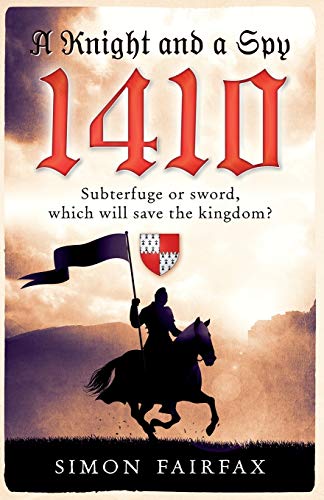
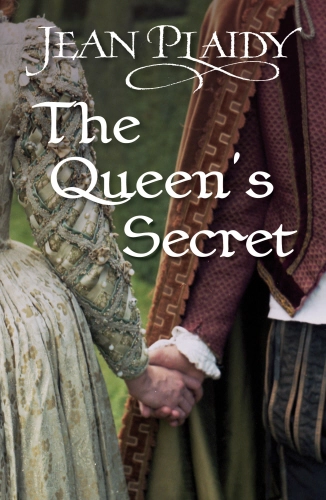
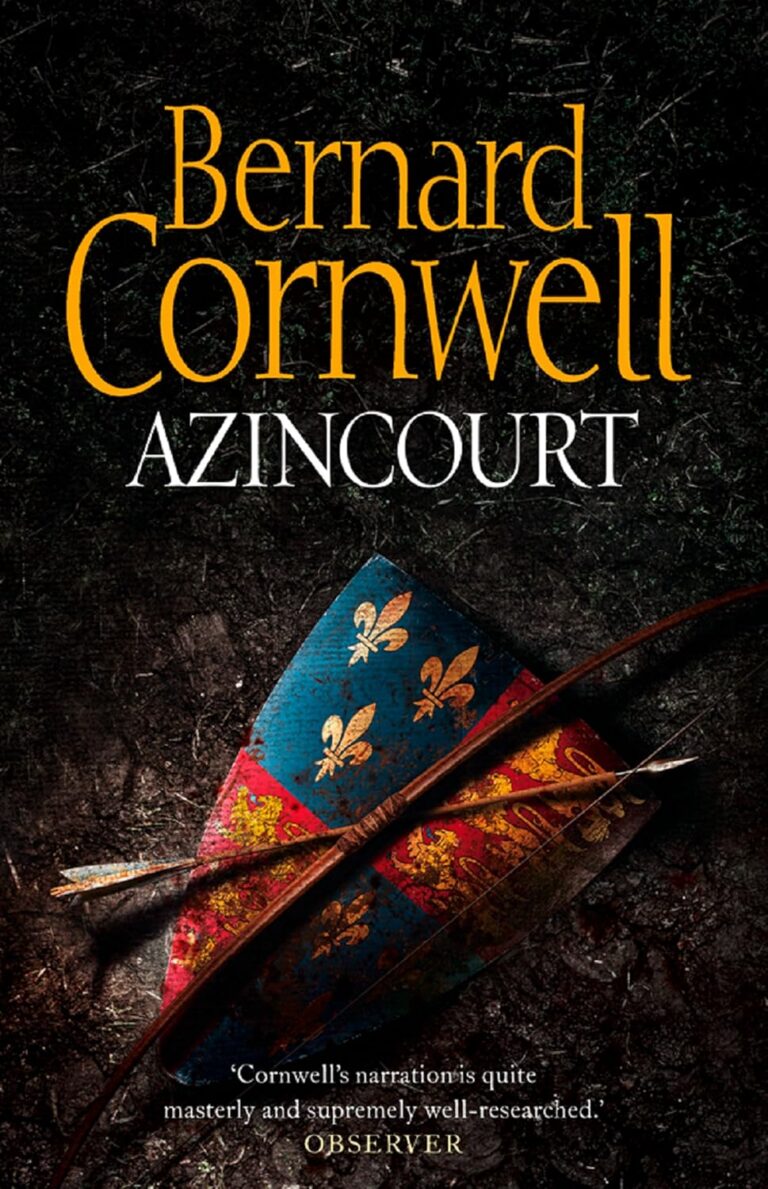
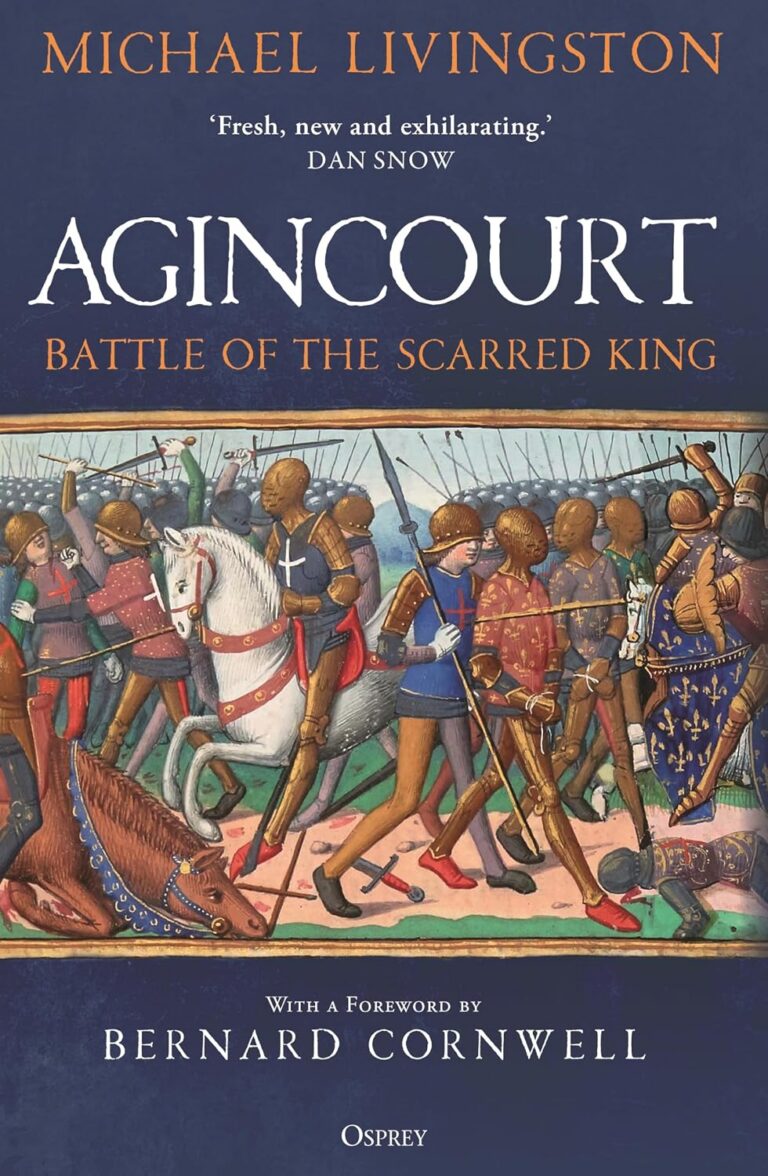
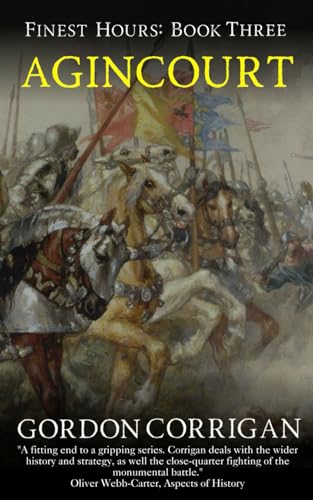
Joanna Hickson’s The Agincourt Bride shows Charles VI through the household of his daughter Catherine of Valois, with the king’s recurrent illness helping to make the French court a place of faction and uncertainty. Jean Plaidy’s The Queen’s Secret likewise begins Catherine’s story as the daughter of the king remembered as Charles the Mad and follows the dynastic consequences of his incapacity. Simon Fairfax’s A Knight and a Spy 1410 uses the divided Anglo-French political world of Charles’s reign as the background to secret service and renewed war. Bernard Cornwell’s Azincourt brings that French monarchy to its military catastrophe in Henry V’s 1415 invasion, while Gordon Corrigan’s Agincourt examines the campaign and battle within the real political and military crisis of Charles VI’s France.