Series
Series about Angevin Empire (2 series)
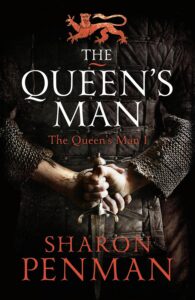
The Queen’s Man in Order
These medieval mysteries follow the fictional royal agent Justin de Quincy in 1193, while Eleanor of Aquitaine governs for the captive Richard I and John manoeuvres for the throne. Each investigation links murder, theft or conspiracy to the political instability of the Angevin realm.
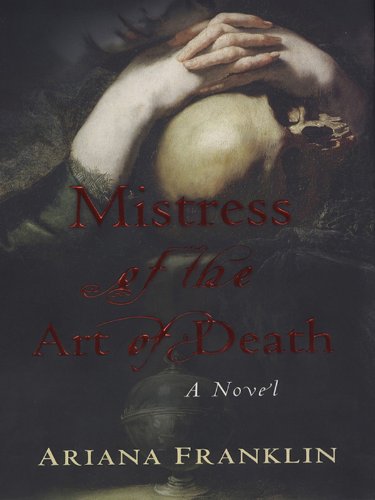
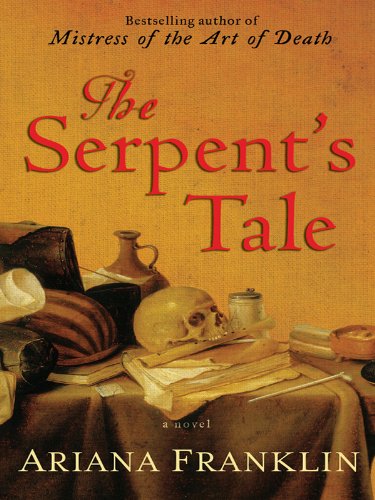
Mistress of the Art of Death in Order
The Mistress of the Art of Death series follows Adelia Aguilar, a physician trained in Salerno whose knowledge of anatomy makes her an extraordinary investigator in twelfth-century England. Beginning in Cambridge in 1171, the novels place murder inquiries inside the reign of Henry II, where royal government, church…