Henry the Young King was the eldest surviving son of Henry II and Eleanor of Aquitaine. Crowned during his father’s lifetime in 1170, he possessed the title of king but little independent authority or income.
Frustration contributed to the great rebellion of 1173–74 and later conflict with his brothers. Celebrated for tournament culture and princely generosity, he died from illness in 1183 while campaigning against his father and brother Richard. Henry the Young King was born in Bermondsey Abbey and died in Martel.
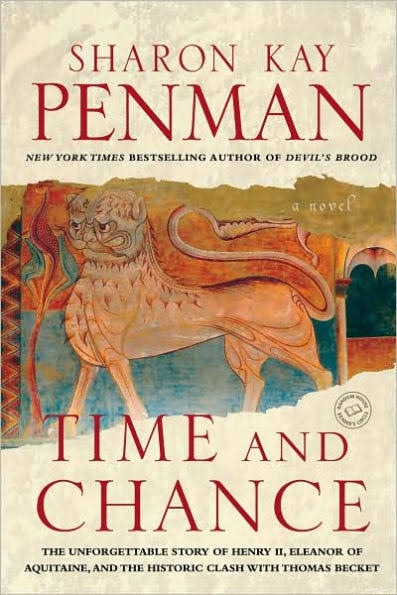
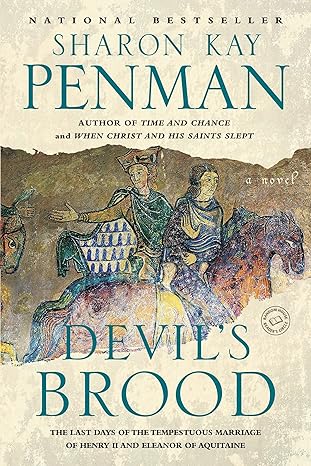
In Sharon Kay Penman’s Devil’s Brood, Henry the Young King, Richard and Geoffrey seek aid from Louis VII of France and other enemies of the Angevin realm, turning a family dispute into international war. In Elizabeth Chadwick’s The Greatest Knight, after rescuing Eleanor of Aquitaine during an ambush, he enters the household of Henry the Young King and earns fame on the tournament circuit, where victory can bring both wealth and dangerous envy. William’s loyalty is tested by court factions, rebellion within Henry II’s family and accusations intended to separate him from his young lord. Further fictional perspectives on Henry the Young King can be found in Ben Kane’s Lionheart, Jean Plaidy’s Revolt of the Eaglets, Elizabeth Chadwick’s Shields of Pride, Elizabeth Chadwick’s The Winter Crown, and Sharon Kay Penman’s Time and Chance.