G. P. R. James (1799–1860) was an English historical novelist and biographer who became one of the most prolific successors to Walter Scott. He began publishing historical fiction in the late 1820s and produced a very large number of novels set across medieval and early modern Europe. His stories typically combine invented protagonists with real rulers, soldiers and political crises, using court intrigue, warfare, romance and adventure to move characters through major historical events. James was particularly drawn to France and England from the Middle Ages through the seventeenth century, and his fiction helped make the historical romance a major part of nineteenth-century popular literature.
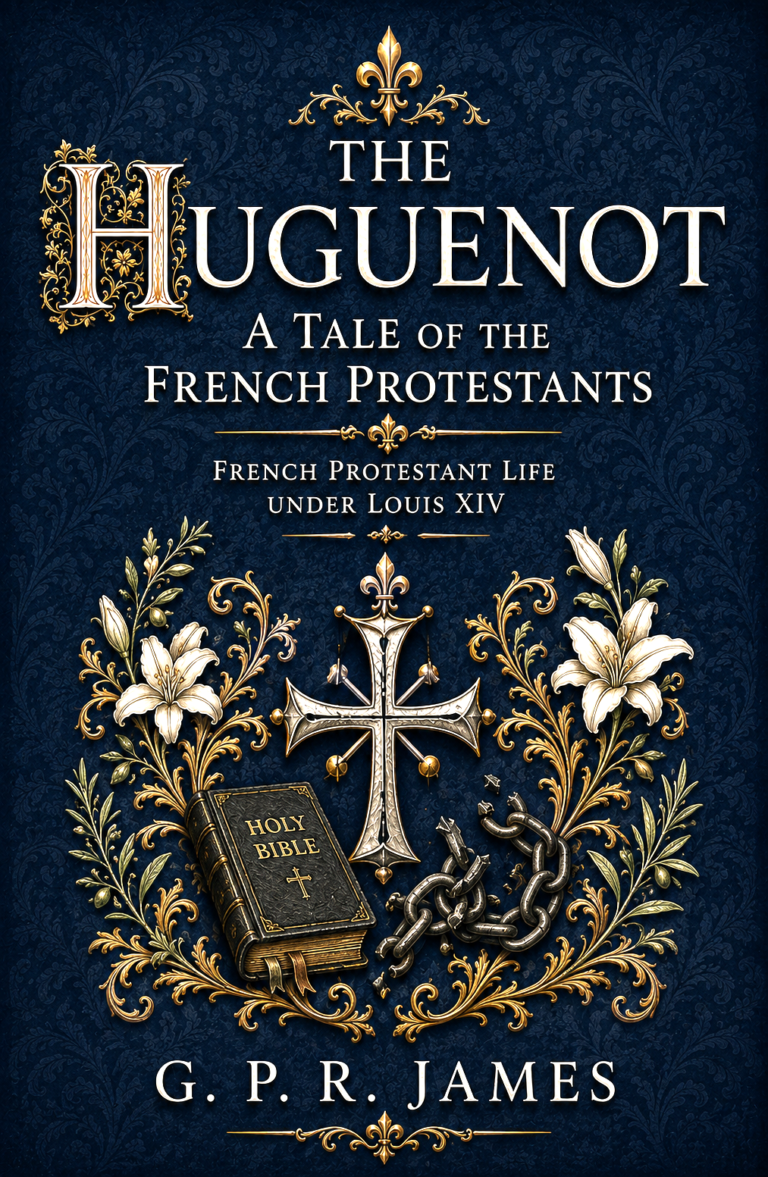
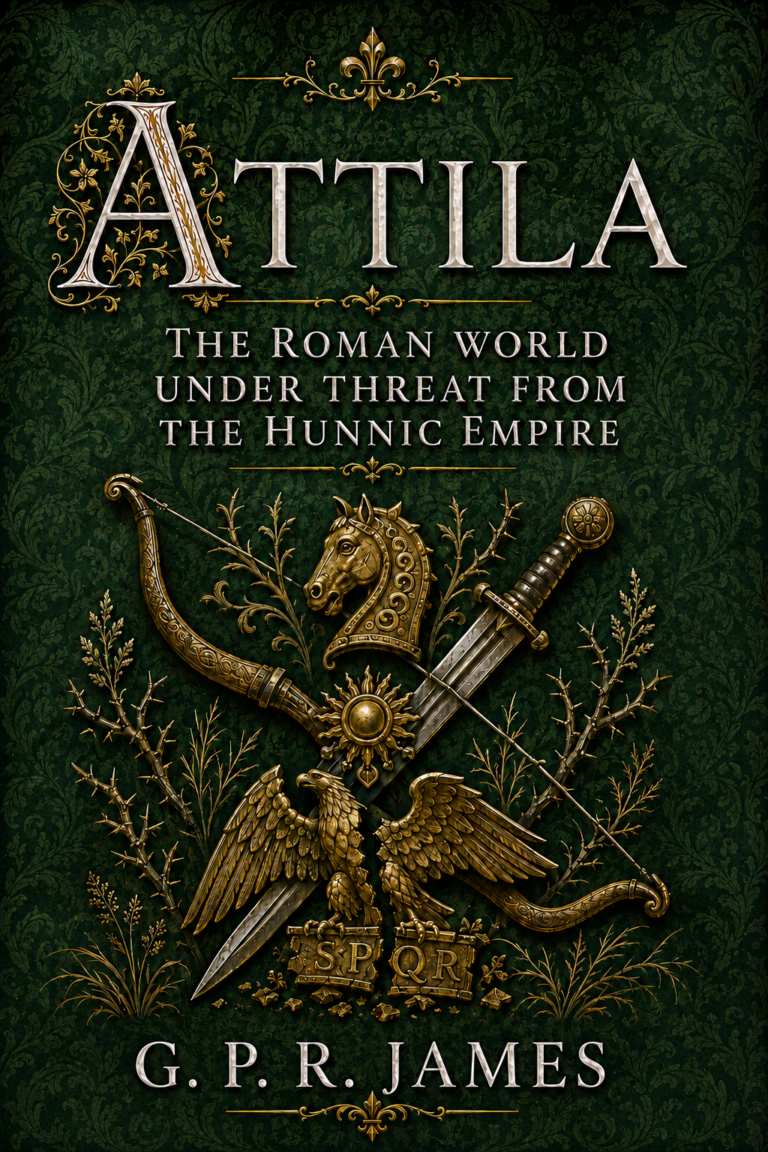
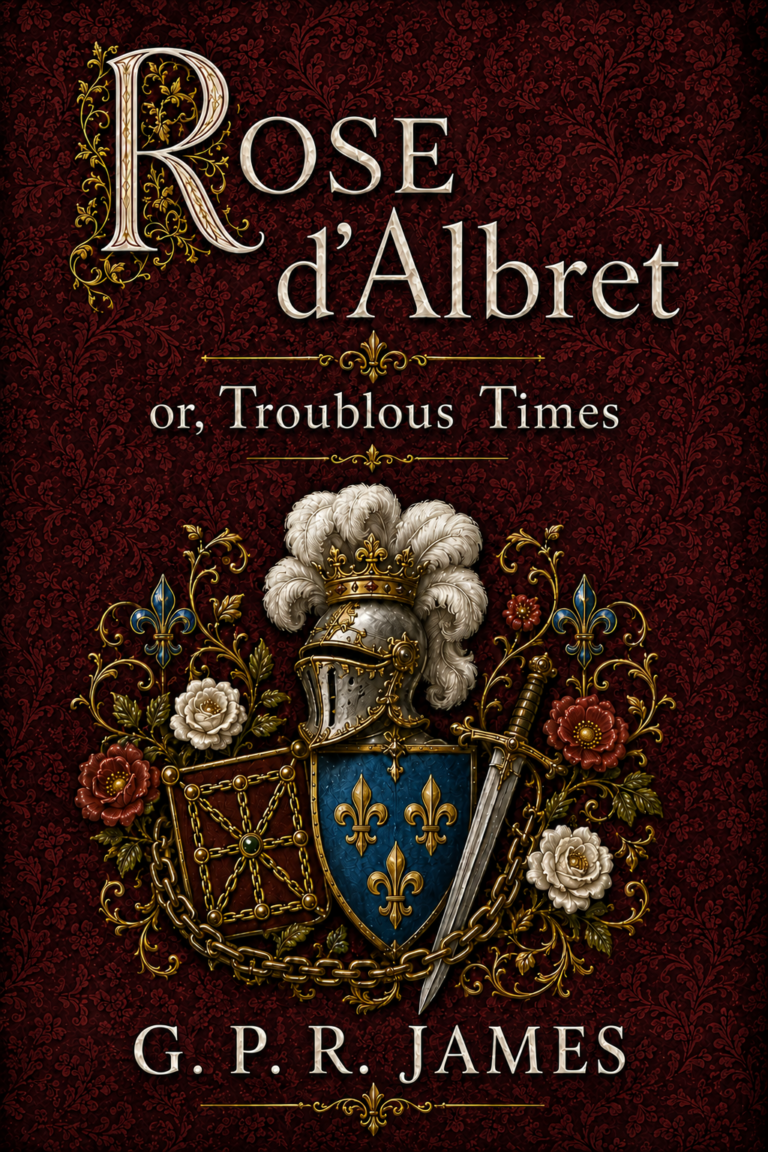
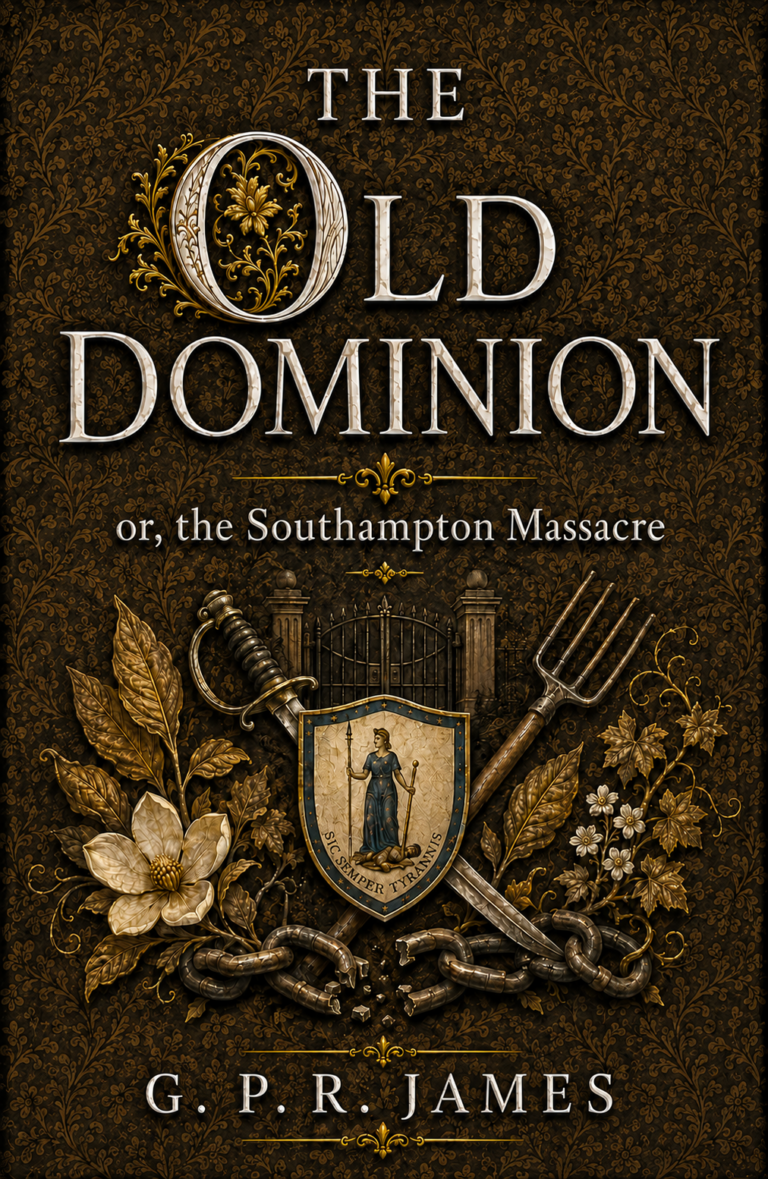
His historical novels include Richelieu (1829), set in seventeenth-century France under Cardinal Richelieu; Darnley, or, The Field of the Cloth of Gold (1830), centred on the reign of Henry VIII; Philip Augustus, or, The Brothers in Arms (1831), set in medieval France; Mary of Burgundy, or, The Revolt of Ghent (1833); One in a Thousand, or, The Days of Henry Quatre (1835), during the French Wars of Religion; Attila (1837), set amid the collapse of the Western Roman world; The Huguenot (1838) and Henry of Guise (1839), again dealing with religious and dynastic conflict in France; and Agincourt (1844), set around Henry V’s campaigns in France. Other works such as The Man at Arms, The King’s Highway and Henry Masterton use similar combinations of historical background, political conspiracy and adventure. James therefore ranges particularly strongly across the Hundred Years’ War, Tudor England, the French Wars of Religion and seventeenth-century European politics.






















 H. Rider Haggard
55 books
H. Rider Haggard
55 books
 Christopher Nicole
49 books
Christopher Nicole
49 books
 David Field
46 books
David Field
46 books
 Richard Foreman
43 books
Richard Foreman
43 books
 Georg Ebers
16 books
Georg Ebers
16 books