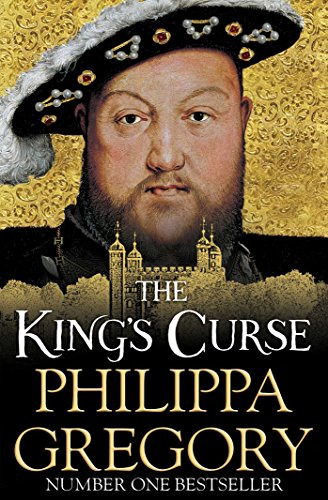
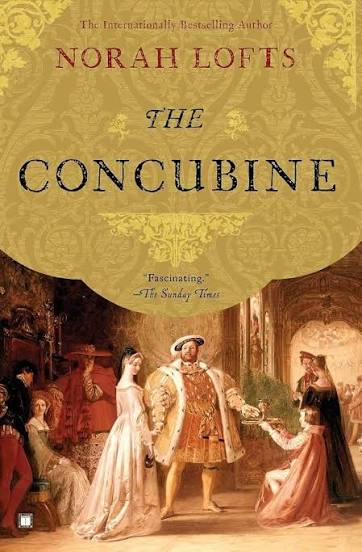
Henry VIII was king of England from 1509 to 1547 and one of the central rulers of the Tudor dynasty. His reign combined Renaissance court culture, warfare with France and Scotland, dynastic anxiety over the succession and an increasingly interventionist monarchy.
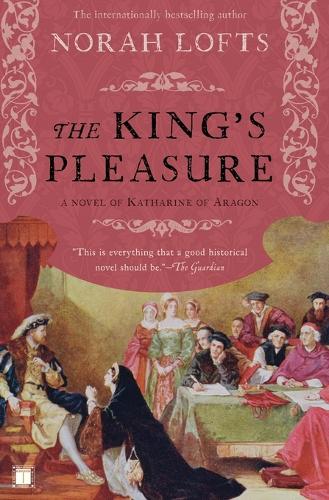
Henry's desire for a male heir and his attempt to annul his marriage to Catherine of Aragon drew the crown into a conflict with papal authority that culminated in the English Reformation and royal supremacy over the Church of England. His government dissolved the monasteries and redistributed vast ecclesiastical wealth, while successive marriages and factional struggles repeatedly reshaped the court. In his later reign war with France and Scotland imposed heavy financial demands on the kingdom.
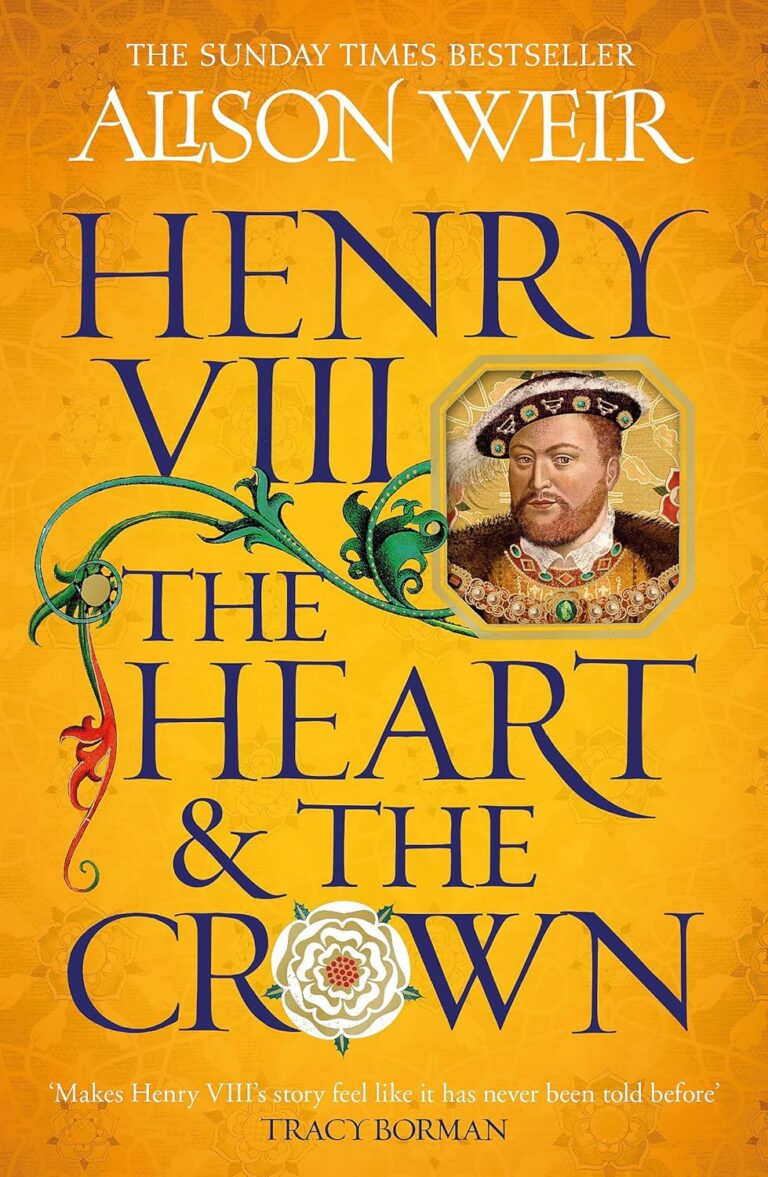
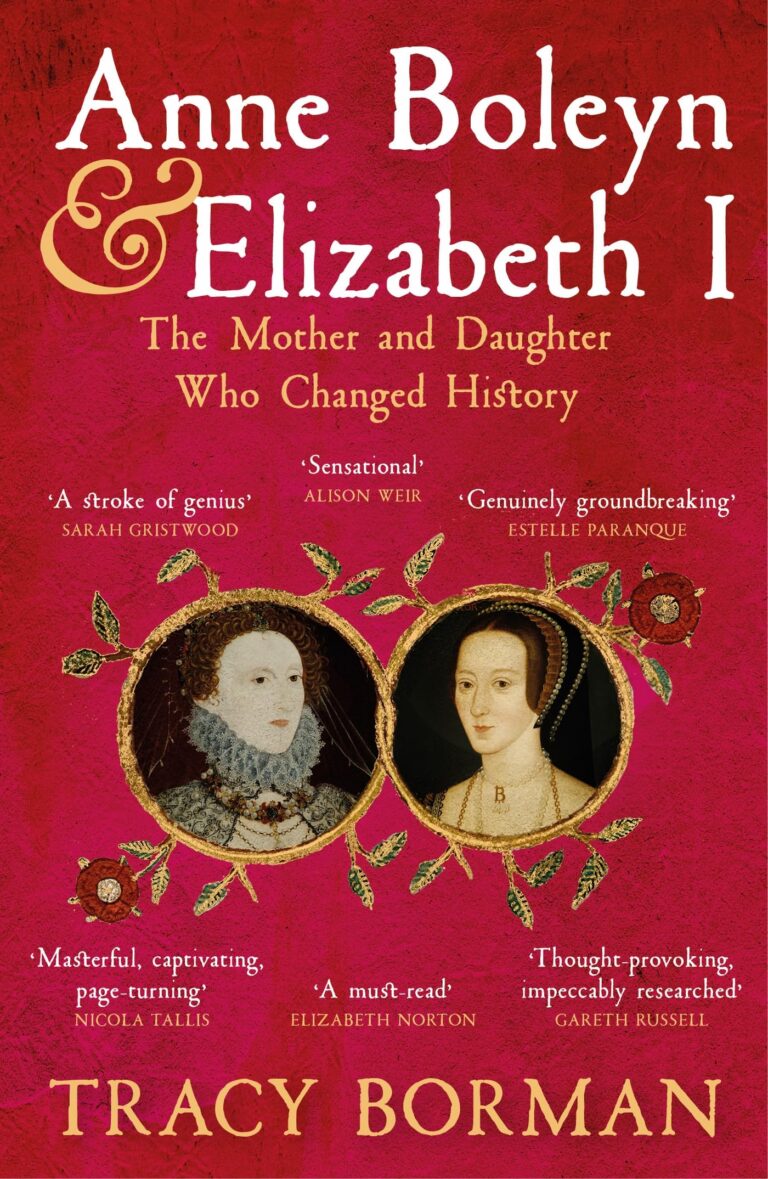
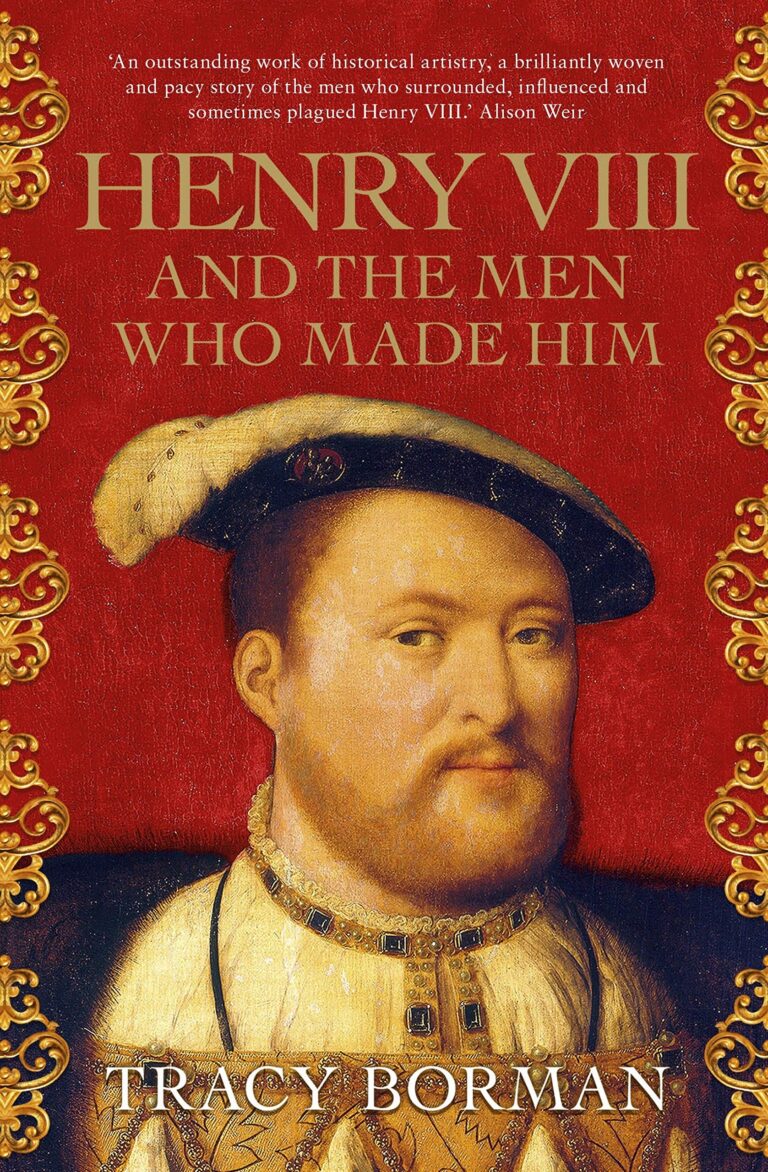
In Gareth Russell’s A History of the English Monarchy, Henry VIII’s religious revolution and Elizabeth I’s management of a divided kingdom form the conclusion to a survey concerned not only with individual monarchs but with the institution they repeatedly remade. In Tracy Borman’s Anne Boleyn & Elizabeth I, Henry VIII’s government tried to erase Anne’s status, leaving the future queen with only fragments of a maternal legacy. Further fictional perspectives on Henry VIII can be found in Alison Weir’s Henry VIII. For broader historical treatment of Henry VIII, see Linda Porter’s Crown of Thistles, John Guy’s Henry VIII (Penguin Monarchs), and Tracy Borman’s Henry VIII and the Men Who Made Him.