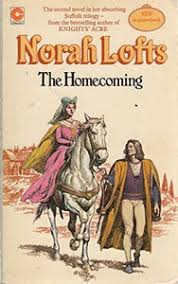
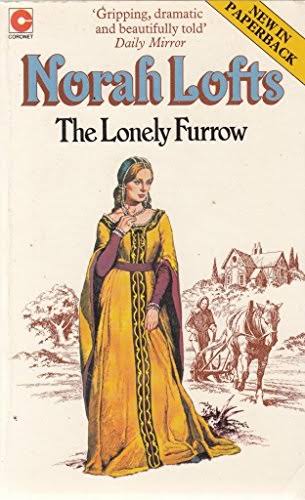
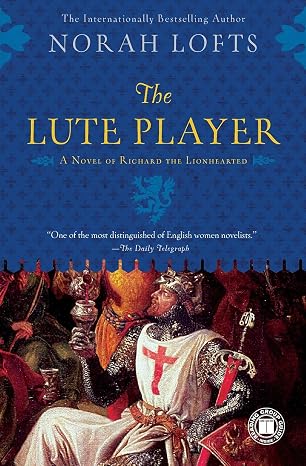
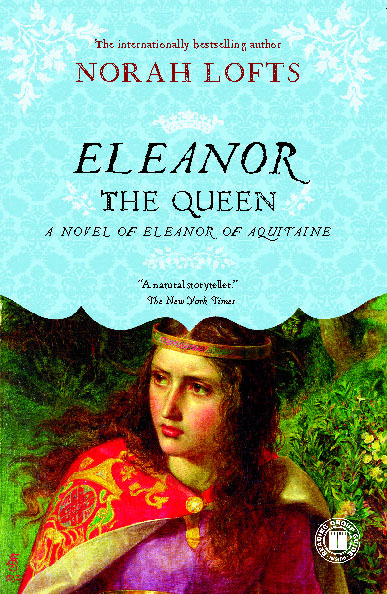
Norah Lofts (1904–1983) was an English novelist best known for her richly researched historical fiction. Born Norah Ethel Robinson in Norfolk, she trained as a teacher at Norwich Training College and spent many years teaching English and history in Bury St Edmunds, a town and region that would strongly influence her fiction. Beginning her publishing career in the 1930s, Lofts became a prolific and internationally successful writer, producing more than fifty books across fiction, biography, short stories and non-fiction. She was particularly admired for combining convincing period detail with an interest in the motives, ambitions and private lives of people caught up in historical events. She also published thrillers and other fiction under the names Peter Curtis and Juliet Astley.
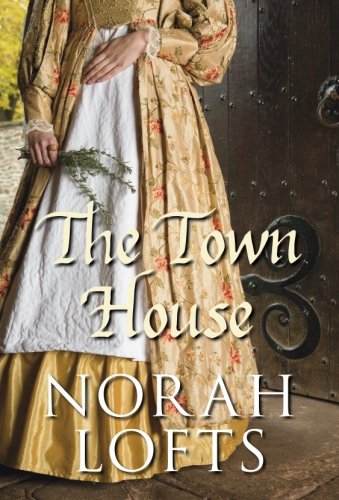
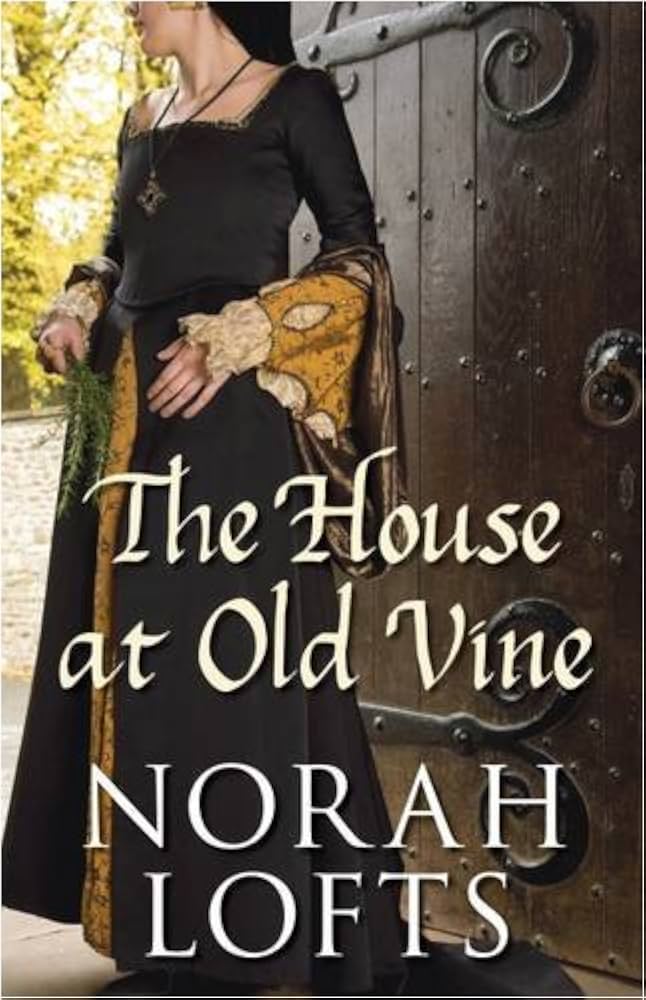
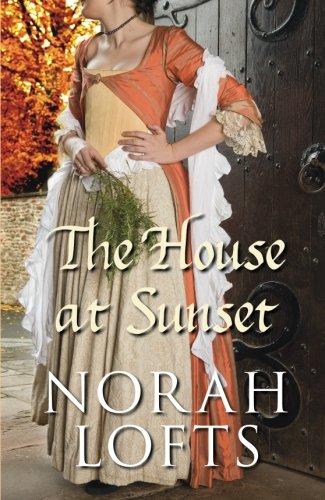
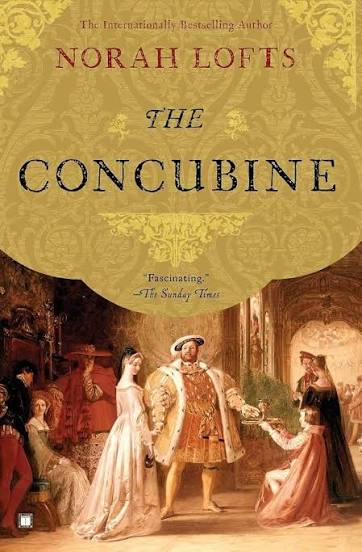
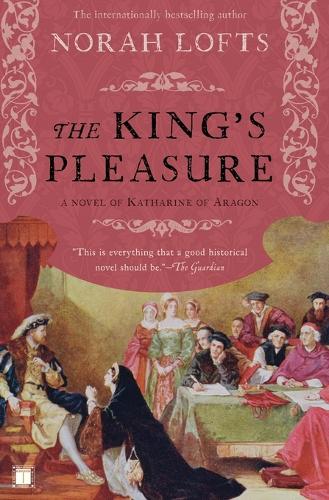
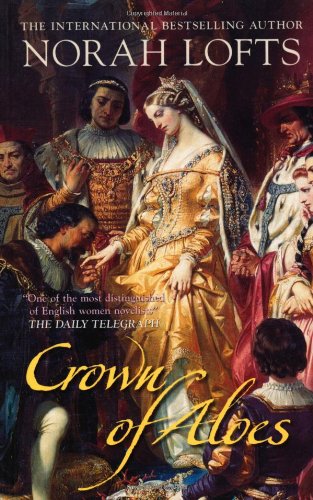
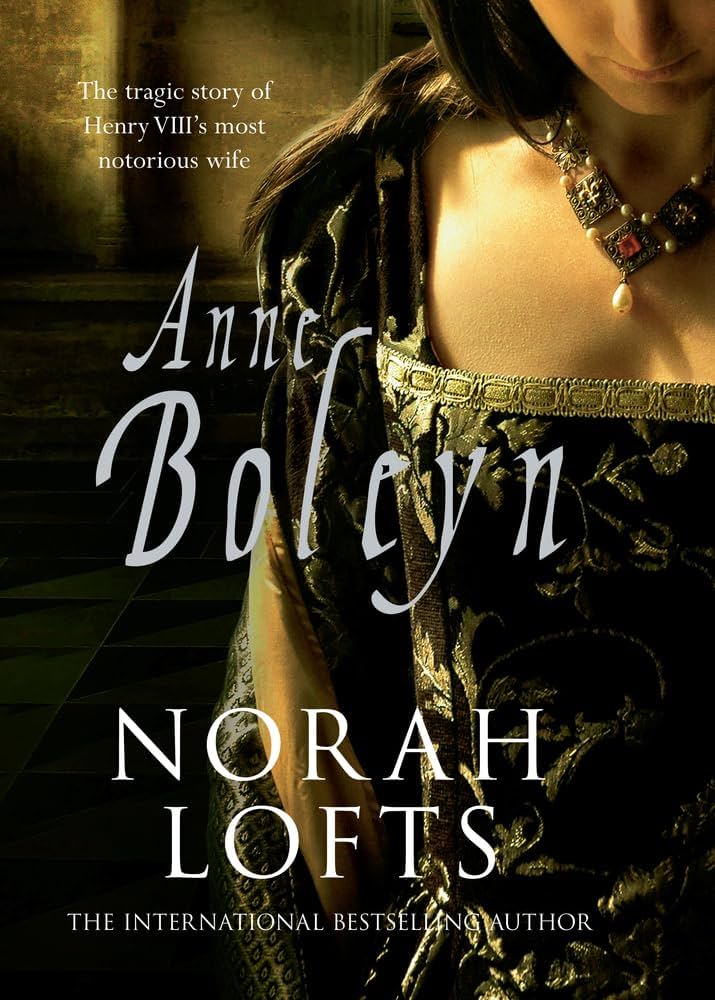
Lofts wrote across a remarkably wide range of historical periods, although medieval and Tudor England feature prominently in her work. Her biographical novels include Eleanor the Queen, centred on Eleanor of Aquitaine; The Lute Player, set around Richard the Lionheart and the Third Crusade; The Concubine, her interpretation of Anne Boleyn; The King’s Pleasure, about Catherine of Aragon; and Crown of Aloes, which tells the story of Isabella I of Castile. She also became known for ambitious multi-generational sagas, particularly the Suffolk Trilogy — The Town House, The House at Old Vine and The House at Sunset — which traces successive generations connected with the same house over centuries. Across these novels, Lofts uses individual lives, marriages, families and households to make large historical changes immediate and personal rather than treating history simply as a backdrop.