
1. Britons
Britons examines the peoples living in Britain before and during the Roman occupation and before the later Anglo-Saxon migrations transformed much of the island. It looks at tribal societies, settlement, warfare, religion and material culture, while considering what archaeology and classical writers reveal about communities often…
2. Celts
Celts surveys the diverse Iron Age peoples conventionally described as Celtic across western and central Europe. It examines their warrior culture, settlements, art, religion and mythology, while also tracing encounters with Greek and Roman expansion. Particular attention is given to the Gallic Wars and the way…
3. Edward I
Edward I follows the English king from his years as a prince and crusader to a reign dominated by conquest, reform and war. It examines his campaigns in Wales, the construction of castles, his attempts to impose authority over Scotland and the origins of his reputation…
4. Elizabeth I
Elizabeth I recounts the life and reign of the last Tudor monarch, from the dangers of her childhood and succession in 1558 to the political and religious problems of ruling a divided kingdom. It covers the Elizabethan religious settlement, relations with Mary, Queen of Scots, the…
5. History of Britain
History of Britain offers a broad narrative of the peoples, kingdoms and political unions that shaped England, Scotland, Wales and Northern Ireland. It moves from ancient and medieval societies through dynastic conflict, Reformation, civil war, industrialisation and empire to the modern United Kingdom. The book combines…
6. History of England
History of England traces the country from ancient Britain through Anglo-Saxon kingdoms, Viking invasions, Norman rule and the later medieval monarchy to the Tudors and the making of the modern state. It continues through civil war, industrialisation, empire and the world wars. The book focuses on…
7. Magna Carta
Magna Carta explains the political crisis that forced King John to accept the charter at Runnymede in 1215. It examines the grievances of the barons, the collapse of royal trust after military and financial failures, and the civil war that followed when the settlement broke down.…
8. Mercia
Mercia examines the Anglo-Saxon kingdom that dominated much of central England and became one of the principal powers of early medieval Britain. It follows rulers such as Offa, the kingdom’s rivalry with Northumbria and Wessex, and the political and religious institutions that supported Mercian authority. The…
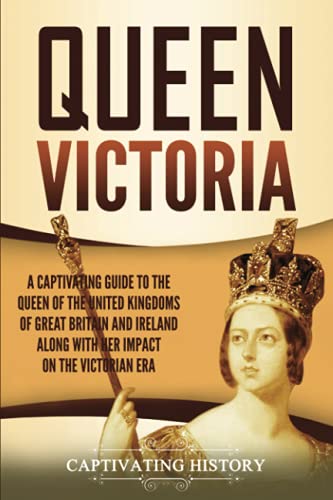
9. Queen Victoria
Queen Victoria follows the monarch from her sheltered childhood and accession in 1837 through a reign that became closely identified with nineteenth-century Britain. It examines her marriage to Prince Albert, family life, relations with successive prime ministers and the changing role of the Crown as Britain…
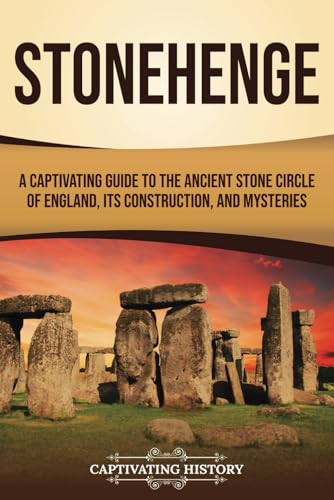
10. Stonehenge
Stonehenge examines the prehistoric monument on Salisbury Plain, its successive phases of construction and the communities that built and used it. It explains what archaeology reveals about the transport and setting of the stones, nearby settlements, burial landscapes and the monument’s relationship to the solstices. The…
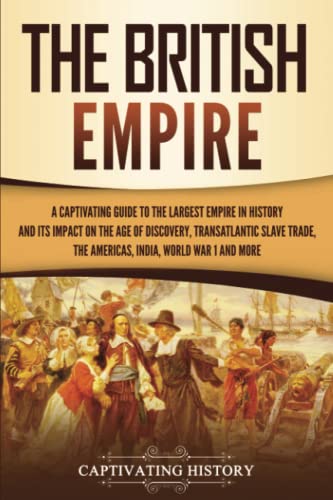
11. The British Empire
The British Empire traces the growth of Britain’s overseas power through trade, settlement, conquest and naval expansion, then follows the varied systems of colonial rule that developed across the world. It examines India, the settler colonies, Africa and other imperial regions alongside resistance, rebellion and collaboration.…
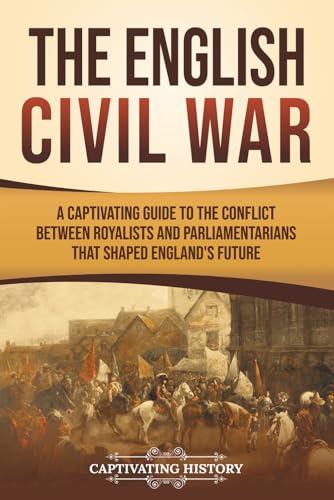
12. The English Civil War
The English Civil War follows the breakdown of relations between Charles I and Parliament and the wars that divided England, Scotland and Ireland in the 1640s. It explains the political, constitutional and religious disputes behind the conflict, the rise of the New Model Army and the…
13. The Norman Conquest
The Norman Conquest recounts the succession crisis of 1066 and the campaigns that brought William, Duke of Normandy, to the English throne. It follows Harold Godwinson’s victory over Harald Hardrada at Stamford Bridge, the rapid march south and the decisive battle at Hastings. The book then…
14. The Plantagenets
The Plantagenets follows the dynasty that ruled England from Henry II in the twelfth century to the deposition of Richard II. It covers the Angevin empire, Magna Carta, conflict with France, baronial rebellion and the growth of Parliament, alongside rulers such as Richard the Lionheart, John,…
15. The Six Wives of Henry VIII
The Six Wives of Henry VIII tells the intertwined stories of Catherine of Aragon, Anne Boleyn, Jane Seymour, Anne of Cleves, Catherine Howard and Katherine Parr. It follows Henry VIII’s marriages through the succession crisis, the English Reformation and the factional politics of the Tudor court.…
16. The Tudors
The Tudors traces the English dynasty from Henry VII’s victory at Bosworth in 1485 to the death of Elizabeth I in 1603. It follows Henry VIII’s break with Rome, the religious upheavals under Edward VI and Mary I, and the political and international pressures of Elizabeth’s…
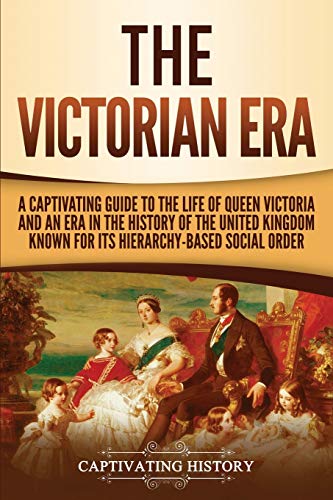
17. The Victorian Era
The Victorian Era surveys Britain during the long reign of Queen Victoria, a period of industrial growth, urbanisation, imperial expansion and far-reaching social change. It examines class and family life, political reform, science, religion, technology and the inequalities created by rapid economic development. The book also…
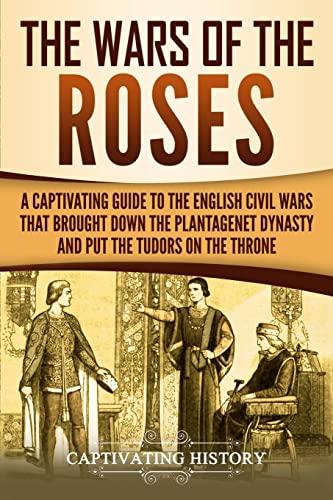
18. The Wars of the Roses
The Wars of the Roses traces the dynastic conflicts that divided the English aristocracy between the houses of Lancaster and York in the fifteenth century. It follows the collapse of Henry VI’s rule, the rise of Edward IV, the ambitions of Richard III and the shifting…
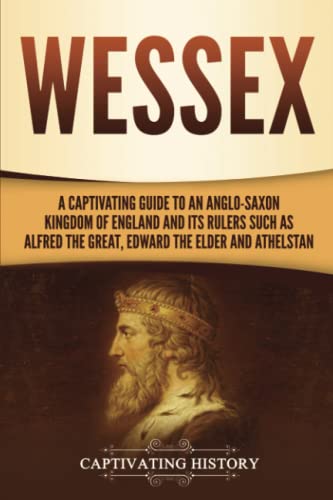
19. Wessex
Wessex traces the rise of the Anglo-Saxon kingdom that eventually supplied the rulers of a united England. It follows the growth of West Saxon power, the crisis created by Viking invasions and the resistance led by Alfred the Great, then continues through Edward the Elder and…