Anne of Cleves was the fourth wife of Henry VIII and queen for only six months in 1540. The marriage formed part of Thomas Cromwell’s attempt to build a Protestant alliance, but Henry quickly sought an annulment, claiming lack of consent and non-consummation.
The annulment settlement left Anne financially secure and with an unusual degree of independence for a former queen. She remained in England, maintained her own household and continued to appear at important court occasions, including the coronation of Mary I. Her willingness to accept the end of the marriage allowed her to survive the Tudor court with property, status and a continuing relationship with the royal family.
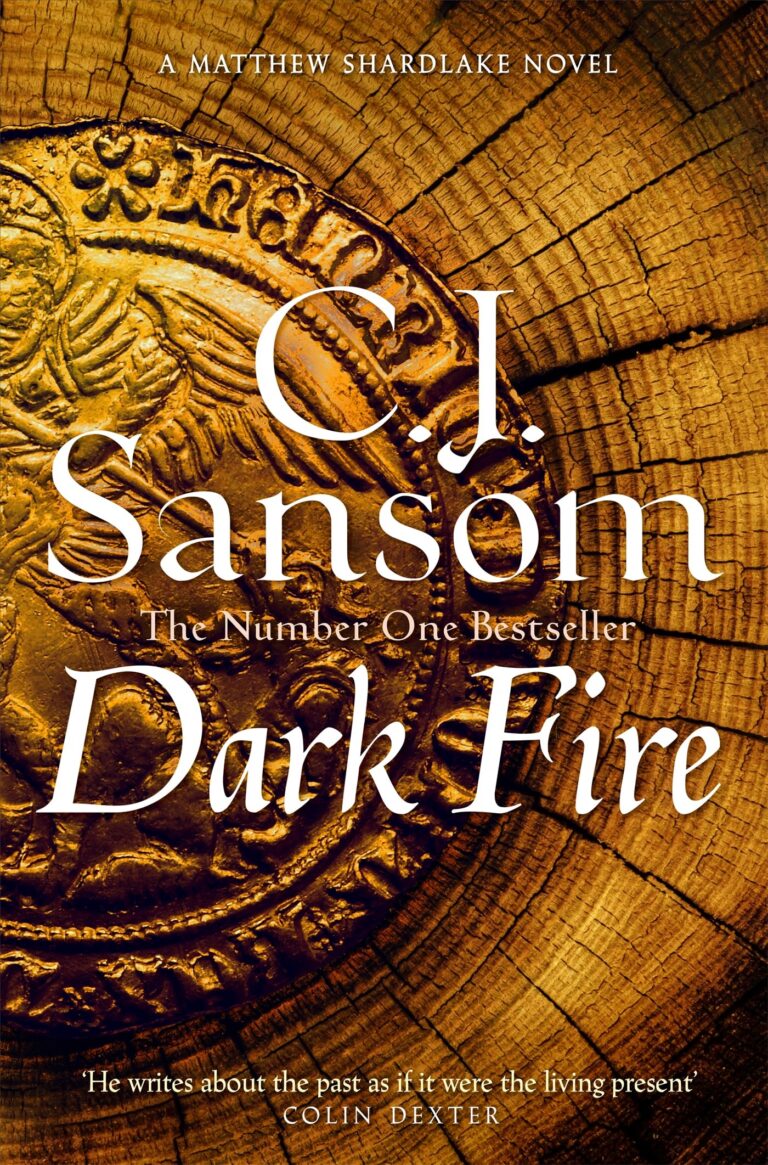
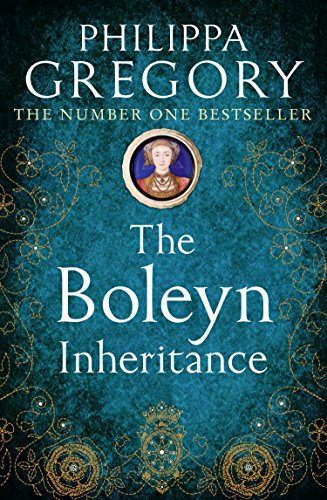
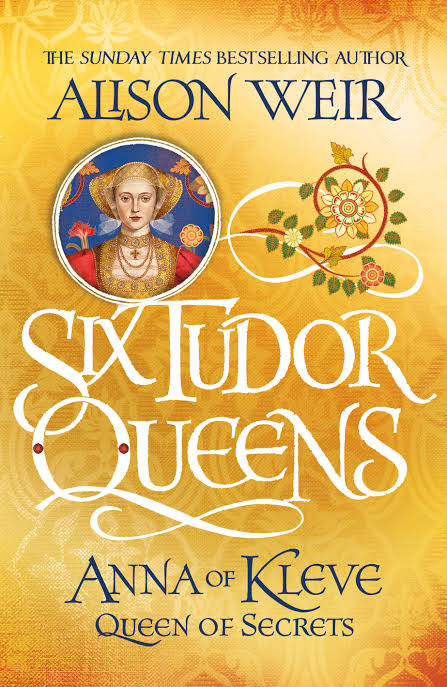
Alison Weir’s Anna of Kleve gives Anne of Cleves her own fictional perspective, following the diplomatic marriage to Henry VIII, its rapid annulment and the unusual independent position she secured afterward. Antonia Fraser’s The Six Wives of Henry VIII places the marriage within the wider history of Henry’s queens, while Tracy Borman’s Thomas Cromwell shows why arranging the failed match became politically fatal for Cromwell. C. J. Sansom’s Dark Fire uses the collapse of the marriage as part of the court crisis surrounding Cromwell, and Philippa Gregory’s The Boleyn Inheritance contrasts Anne’s survival strategy with the far more dangerous queenship of Catherine Howard.