Mary I became queen of England in 1553 after defeating the attempt to place Lady Jane Grey on the throne. The daughter of Catherine of Aragon, she restored papal authority and Catholic worship and married Philip of Spain.
Her government burned nearly three hundred Protestant heretics, giving rise to the later title “Bloody Mary,” while rebellions and false pregnancies weakened the regime. The loss of Calais and Mary’s death without an heir ended the Catholic restoration. Mary I was born in Palace of Placentia and died in St James's Palace.
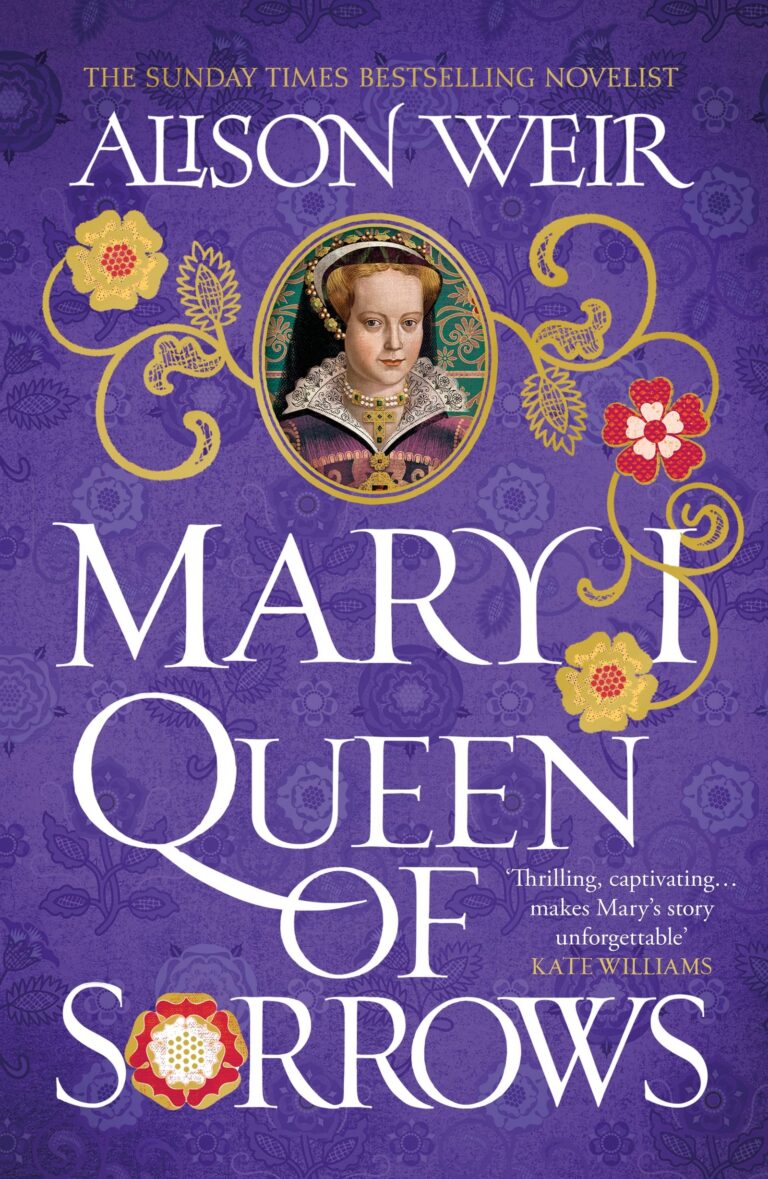
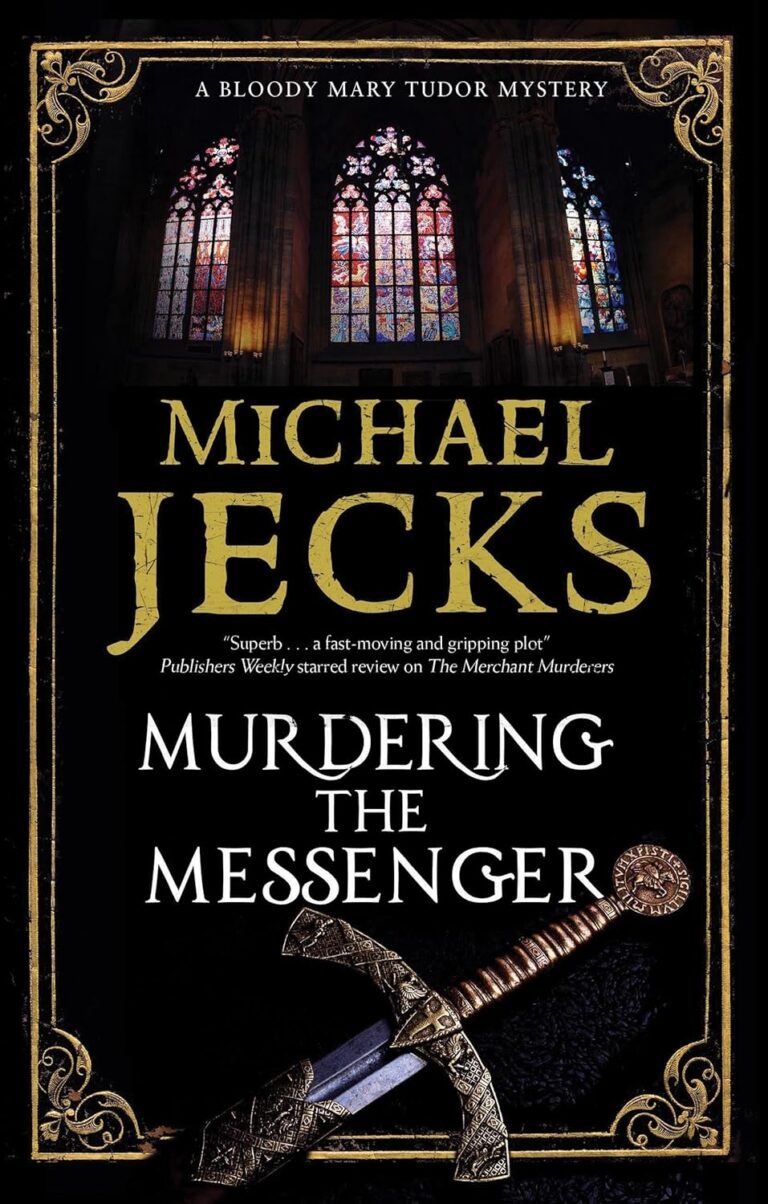
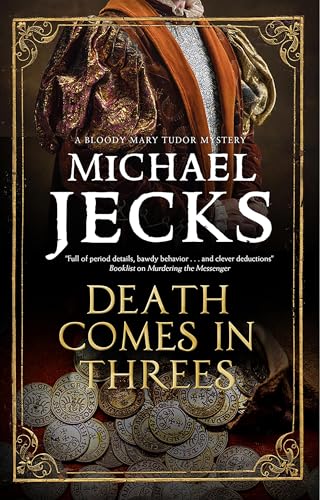
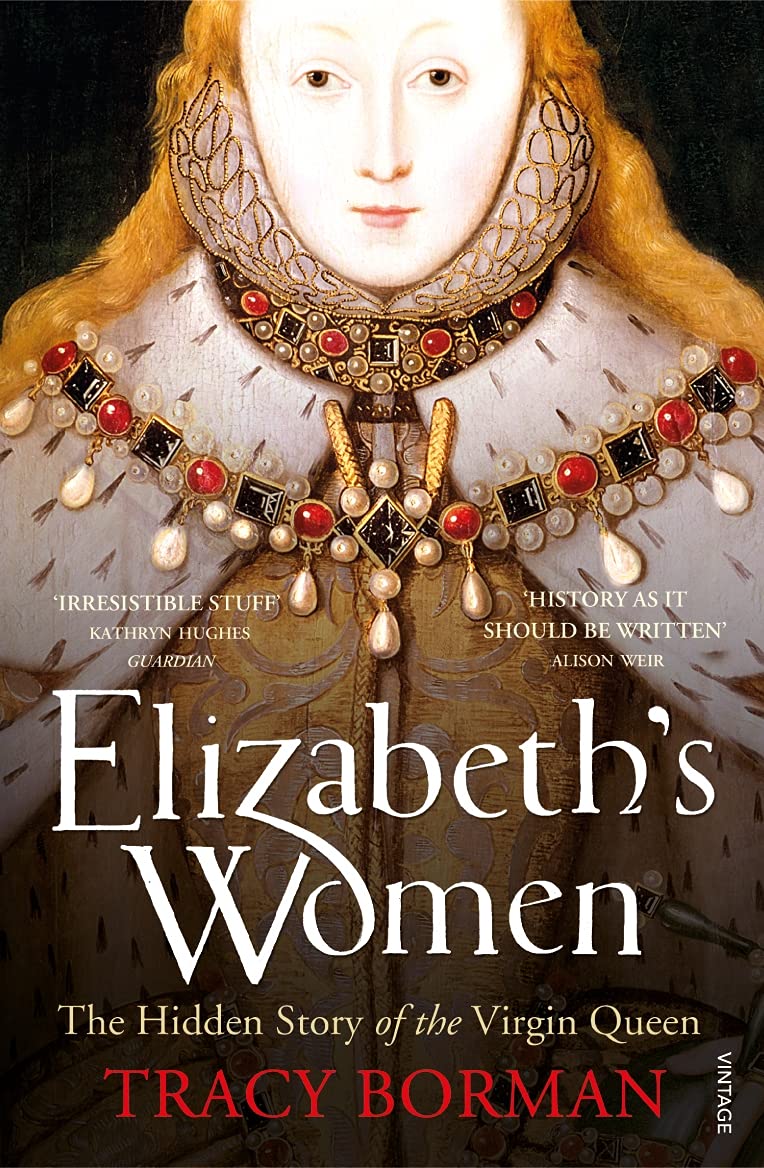
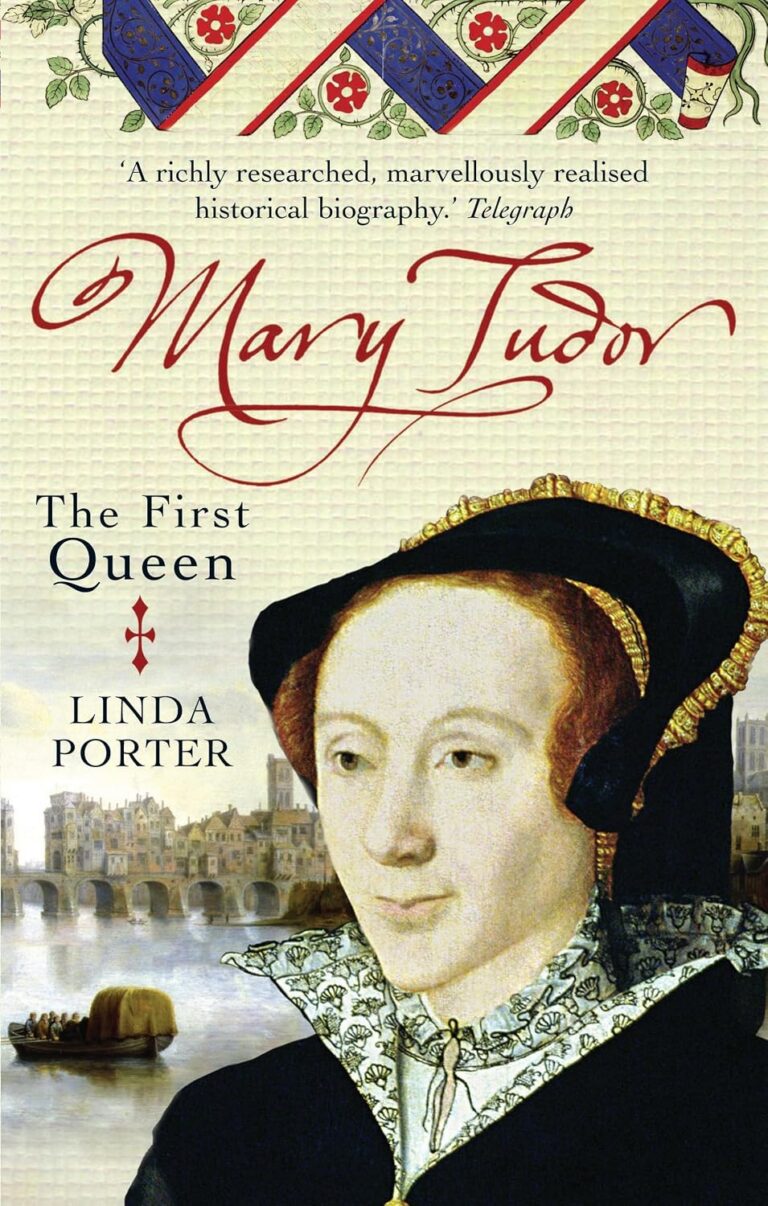
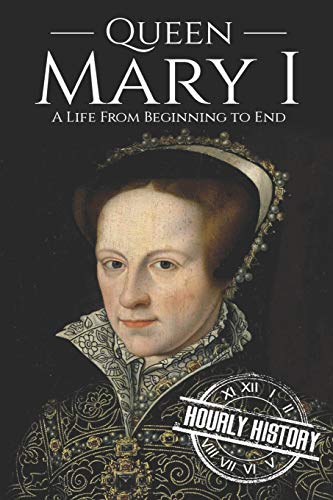
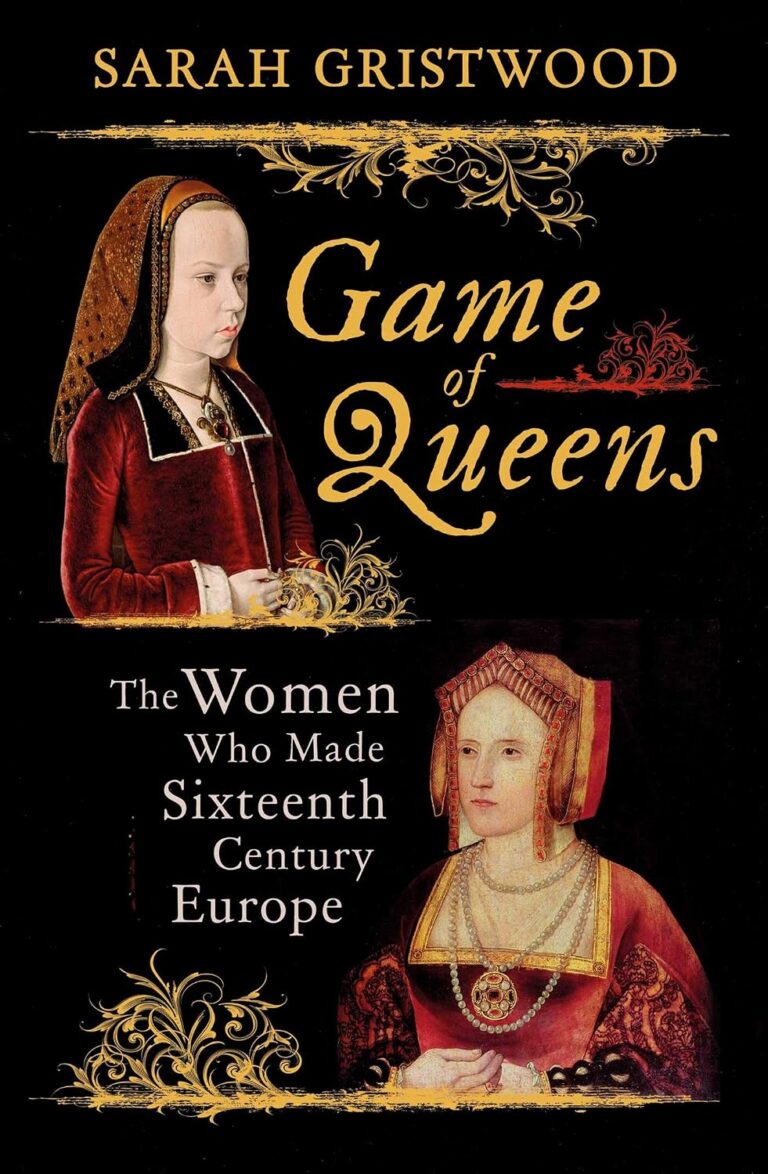
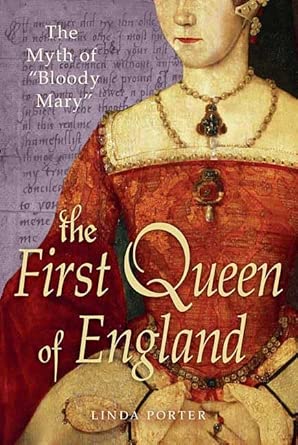
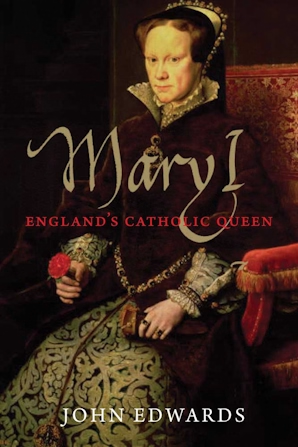
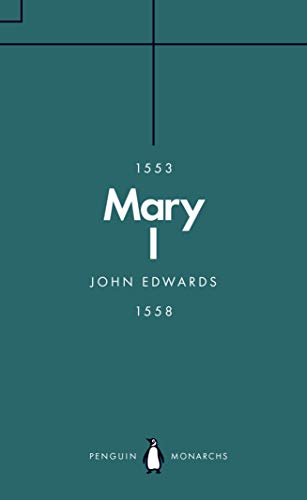
In Tracy Borman’s Elizabeth’s Women, Mary I, Mary, Queen of Scots, the Grey sisters, Lettice Knollys and Elizabeth’s ladies-in-waiting reveal different forms of kinship, rivalry and intimacy around the throne. In Sarah Gristwood’s Game of Queens, beginning with Isabella of Castile and Anne de Beaujeu, Sarah Gristwood traces networks of mothers, daughters, regents and mentors through Margaret of Austria, Louise of Savoy, Catherine of Aragon, Anne Boleyn, Catherine de’ Medici, Mary I, Elizabeth I, Jeanne d’Albret and Mary, Queen of Scots. Further fictional perspectives on Mary I can be found in Alison Weir’s Mary I. For broader historical treatment of Mary I, see John Edwards’ Mary I (Penguin Monarchs), Linda Porter’s Mary Tudor, and Hourly History’s Queen Mary I.