Alfred the Great was king of Wessex from 871 to 899 and the West Saxon ruler who survived the most dangerous phase of Viking conquest in ninth-century England. The youngest son of King Æthelwulf, Alfred succeeded his brother Æthelred during a period of repeated Danish attacks. After being driven into the Somerset marshes in 878, he regrouped, defeated Guthrum at Edington and negotiated a settlement that preserved Wessex while recognising Scandinavian control over much of eastern and northern England.
Alfred used the respite after Edington to strengthen royal government and defence. He developed a network of fortified burhs, reorganised military service so that forces could remain in the field for longer periods, expanded naval capacity and issued a law code that presented kingship in explicitly Christian terms. He also sponsored learning and translations from Latin into English, associating royal authority with education and religious reform. His successors used the military and administrative foundations of his reign to reconquer territories that eventually formed a united kingdom of England.
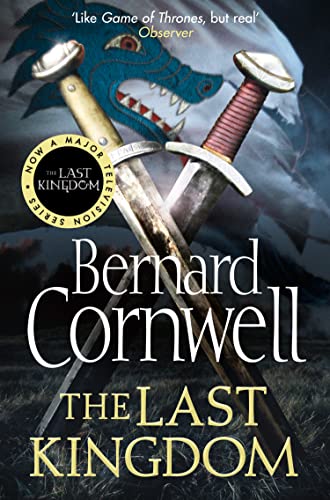
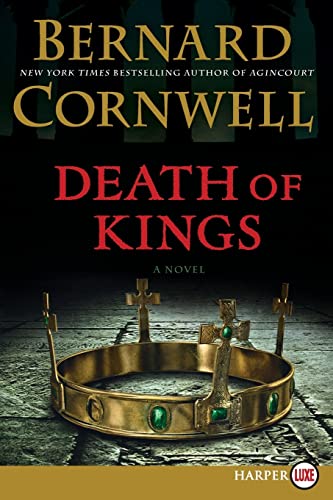
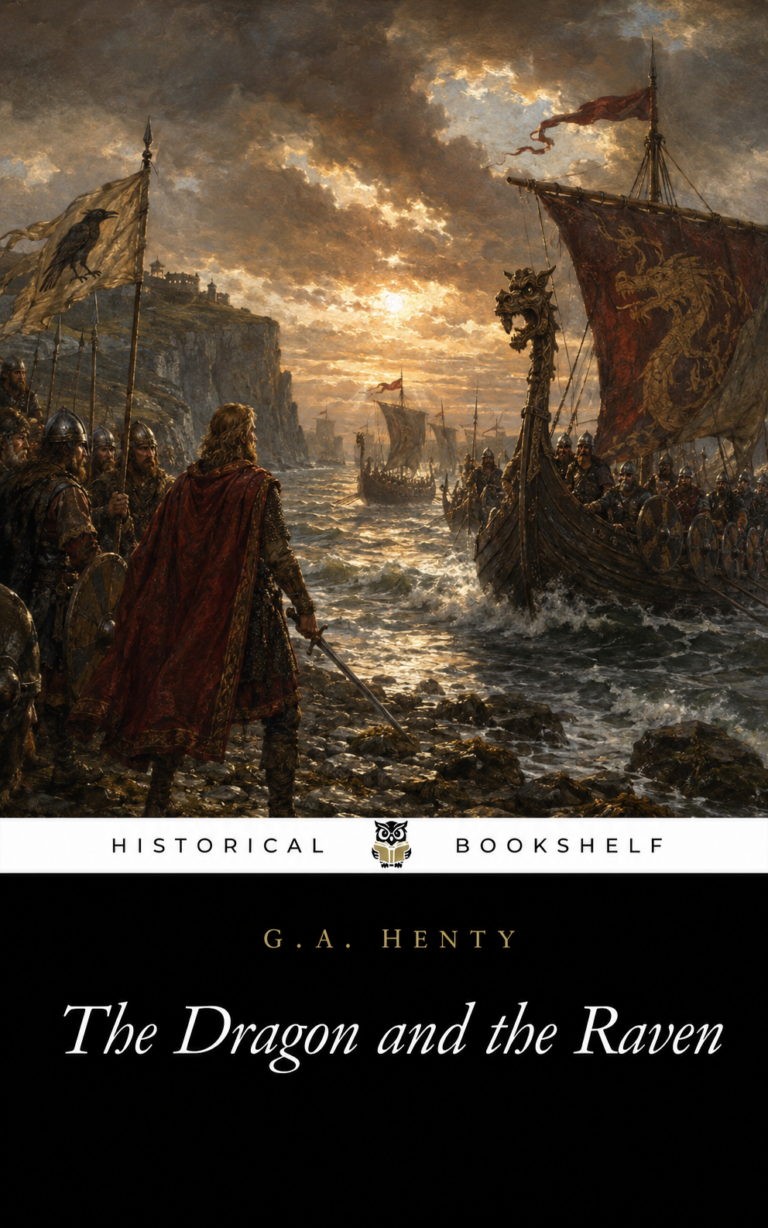
Hourly History’s Alfred the Great gives a direct account of Alfred’s kingship, his resistance to Viking conquest and the political foundations laid for a more unified England. Marc Morris’s The Anglo-Saxons places that achievement within the longer development of the English kingdoms. Bernard Cornwell’s Death of Kings presents the final phase of Alfred’s reign and the uncertainty surrounding succession, while G. A. Henty’s The Dragon and the Raven turns the Danish wars into a Victorian adventure in which Alfred’s resistance anchors the historical setting. Cornwell’s The Last Kingdom introduces Alfred through Uhtred’s divided loyalties, making the king’s persistence and state-building a counterweight to the martial attraction of the Danes.