c. 370–469 CE
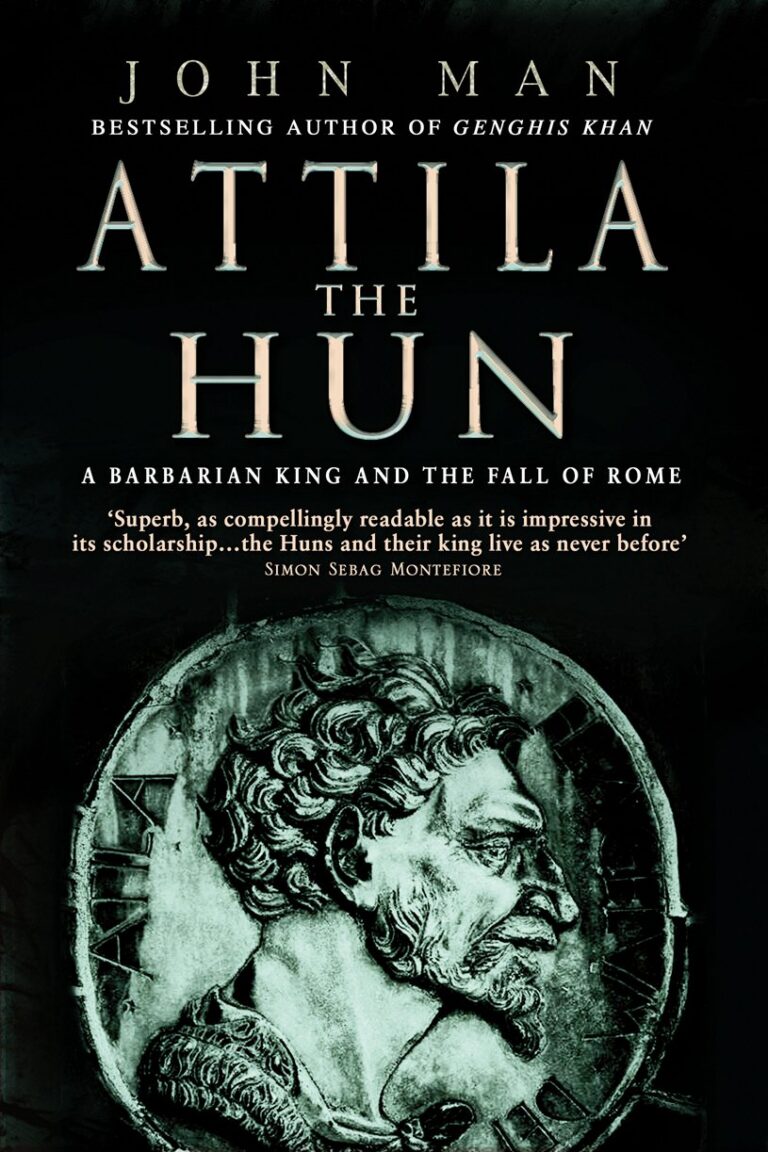
The Hunnic Empire was a confederation of steppe peoples and subject groups that became a major force in Europe during the fourth and fifth centuries. Under Attila, Hunnic power reached its greatest extent, drawing tribute, hostages and diplomatic attention from both eastern and western Roman authorities.
Attila’s rule mattered because it exposed the vulnerability of the late Roman frontier system. Hunnic mobility, mounted warfare, diplomacy and intimidation allowed pressure to be applied across the Balkans, Gaul and Italy without the Huns needing to become a settled Roman-style state.
William Napier’s Attila Trilogy uses this world to follow Attila’s rise, the consolidation of Hunnic power and the Roman response led by Aëtius. The context is useful for fiction about steppe warfare, hostage politics, imperial tribute, tribal confederations and the fear generated by a charismatic war leader.