c. 370–410
Alaric I was a Gothic military leader who emerged from the late Roman Empire’s uneasy dependence on federate troops and became king of the Visigoths around 395. He had served in Roman campaigns under Theodosius I, but after the emperor’s death he led followers through the Balkans and Greece while seeking pay, military office and a recognised place for his people within the imperial system. His career was therefore shaped as much by negotiation with Rome as by open warfare against it.
Alaric repeatedly invaded Italy as relations with the western court deteriorated, confronting the general Stilicho and later exploiting the political crisis created by Stilicho’s execution. After failed negotiations with Emperor Honorius, Alaric’s forces entered Rome in August 410 and sacked the city for three days, a profound symbolic shock despite limited systematic destruction. He then moved south intending to cross to Africa, but died in southern Italy later that year; the famous story of burial beneath the diverted Busento is a later tradition.
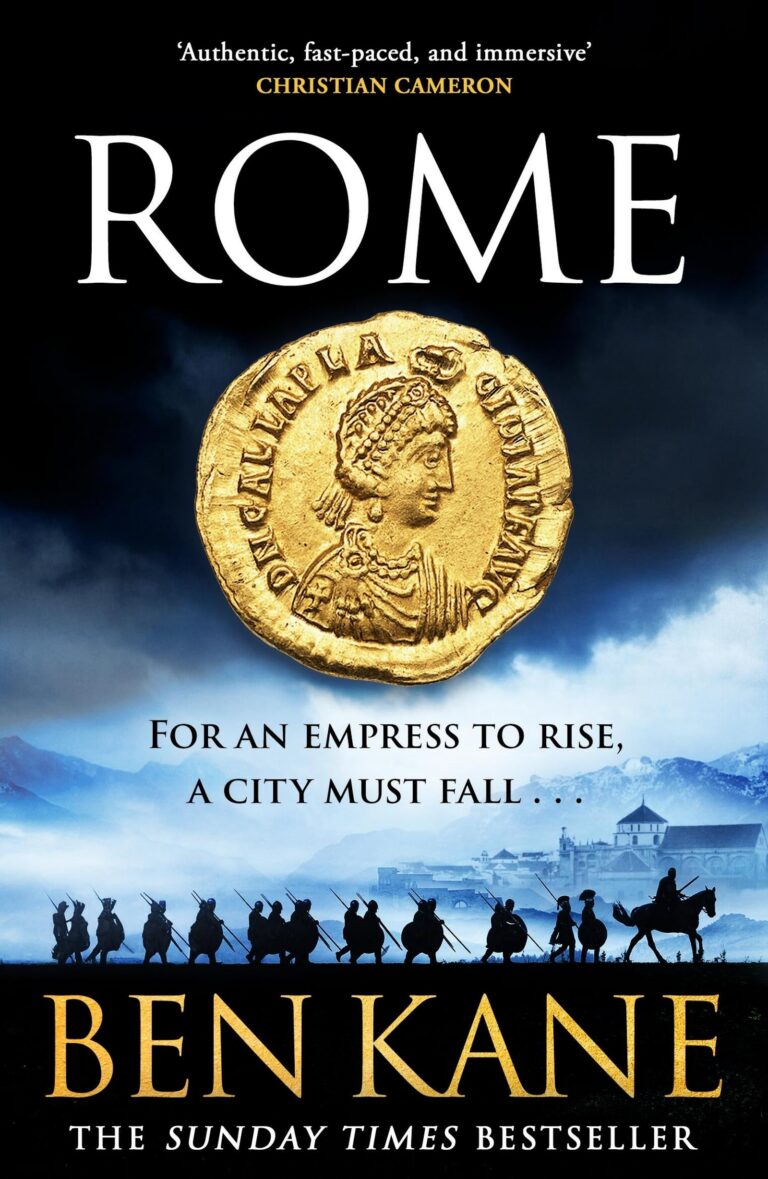
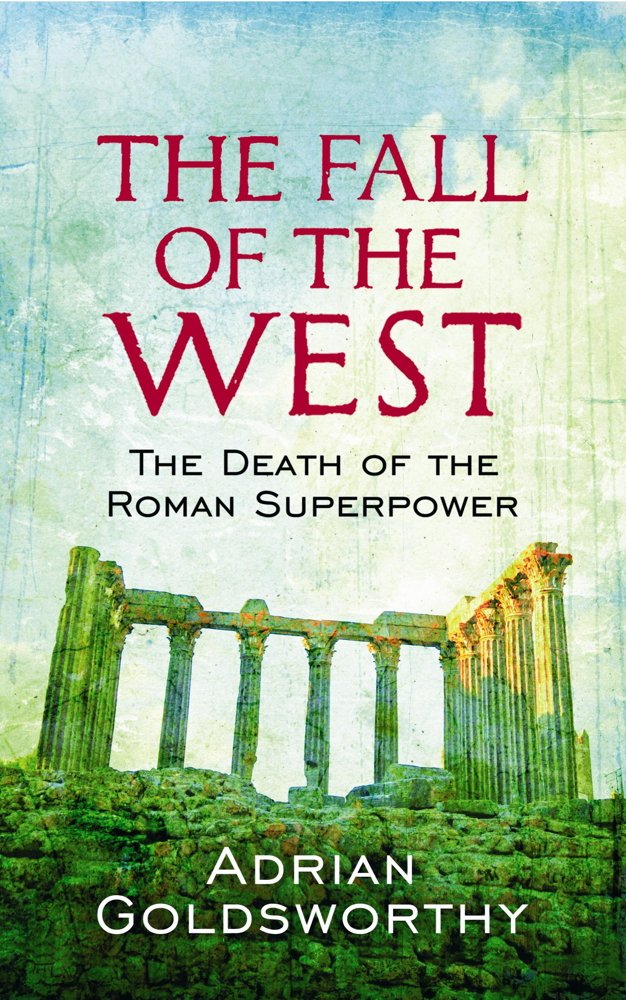
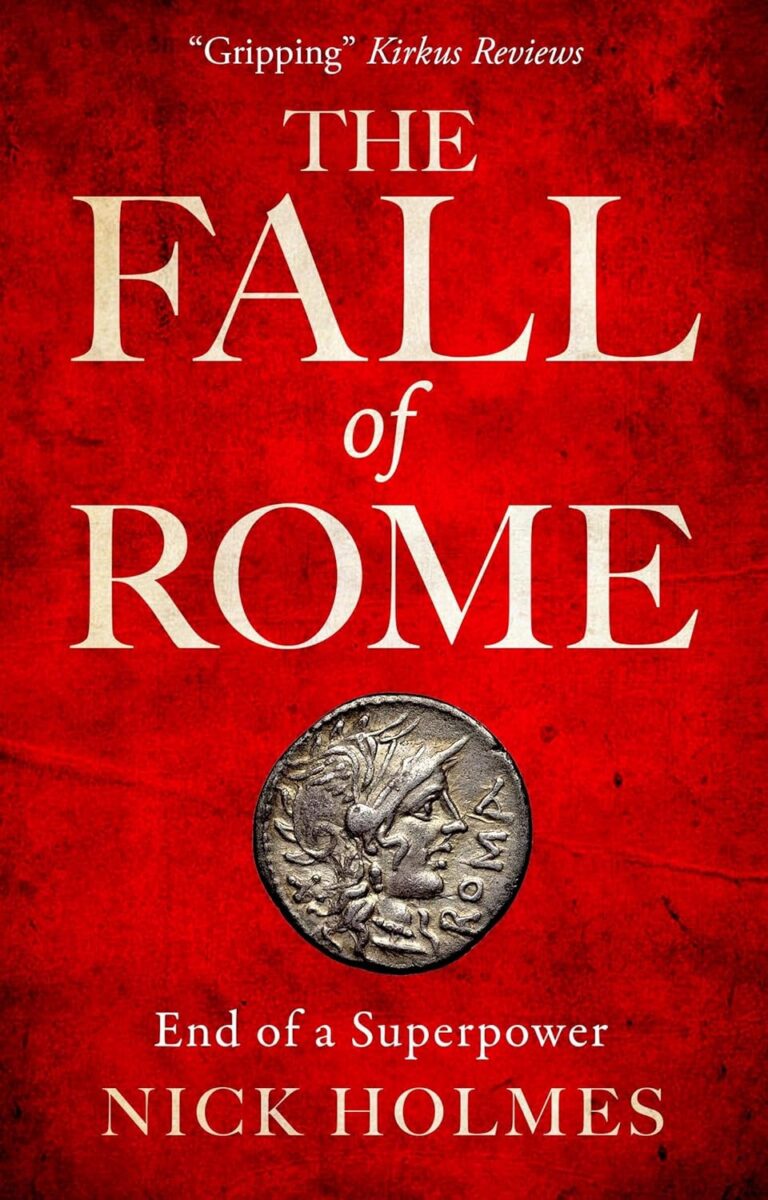
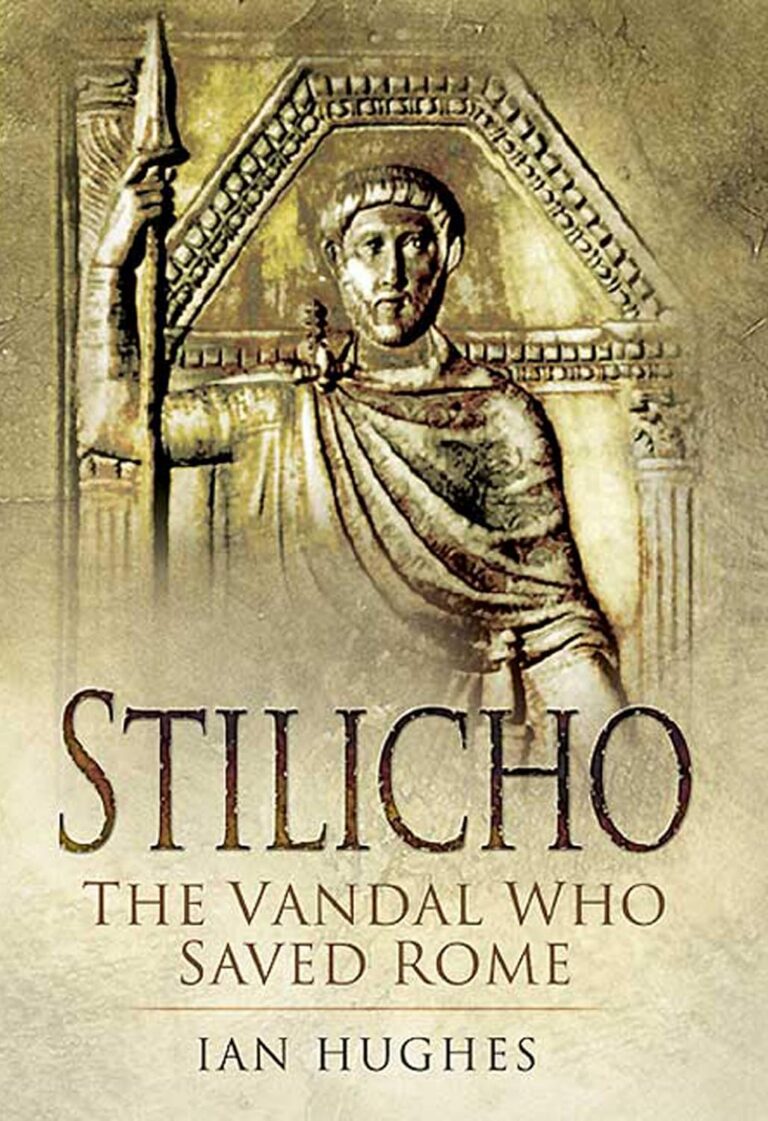
Ben Kane’s Rome makes Alaric’s siege and sack of Rome the crisis that overtakes the imperial characters, while Faith L. Justice’s Twilight Empress follows Galla Placidia through the same catastrophe and into captivity among Alaric’s Visigoths. Ian Hughes’s Stilicho examines the campaigns, negotiations and repeated confrontations between Alaric and the western general Stilicho. Nick Holmes’s The Fall of Rome sets Alaric within the broader failure of imperial courts and armies to manage Gothic demands, and Adrian Goldsworthy’s The Fall of the West uses his career and the sack of 410 as part of the long political and military unravelling of the western empire.