Honorius became western Roman emperor in AD 395 while still a child, with the general Stilicho initially directing government. His reign faced repeated invasions, usurpations and the loss of effective control over Britain and parts of Gaul and Spain.
After Honorius ordered Stilicho’s execution, the Visigoths under Alaric invaded Italy and sacked Rome in 410. The court remained at Ravenna, protected by marshes but increasingly detached from collapsing provincial authority. Honorius was born in Constantinople and died in Ravenna.
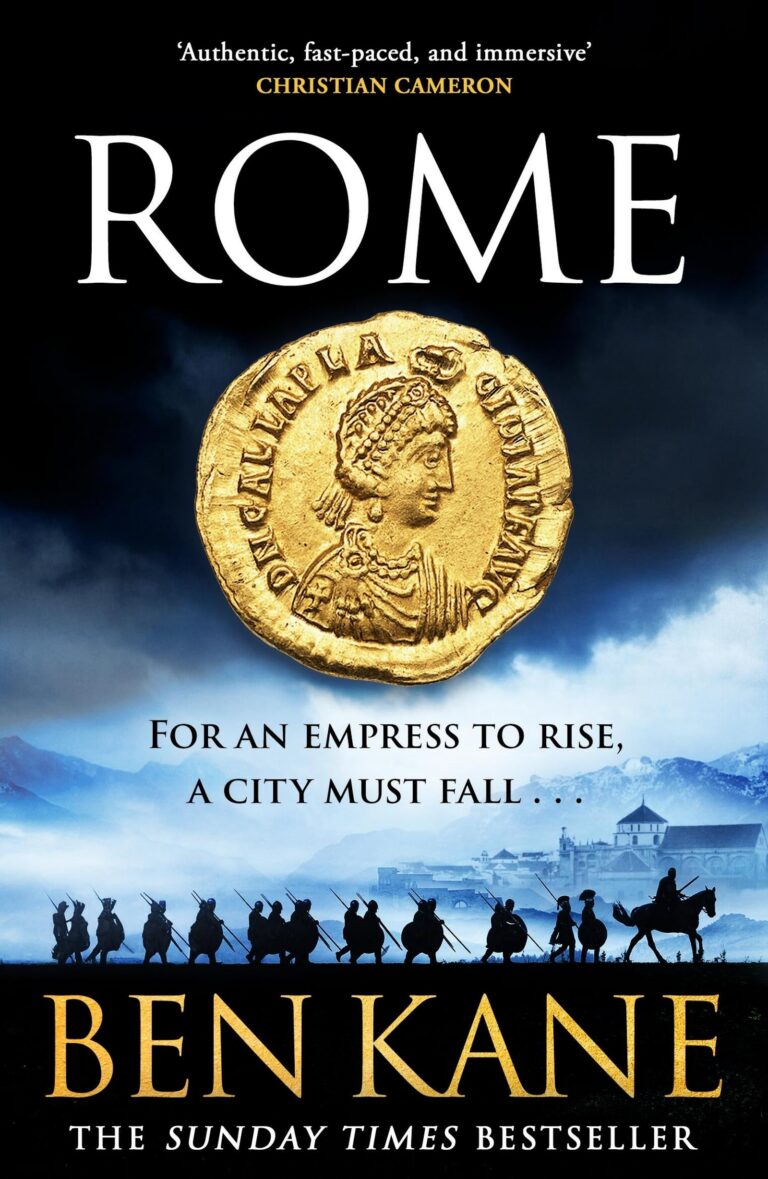
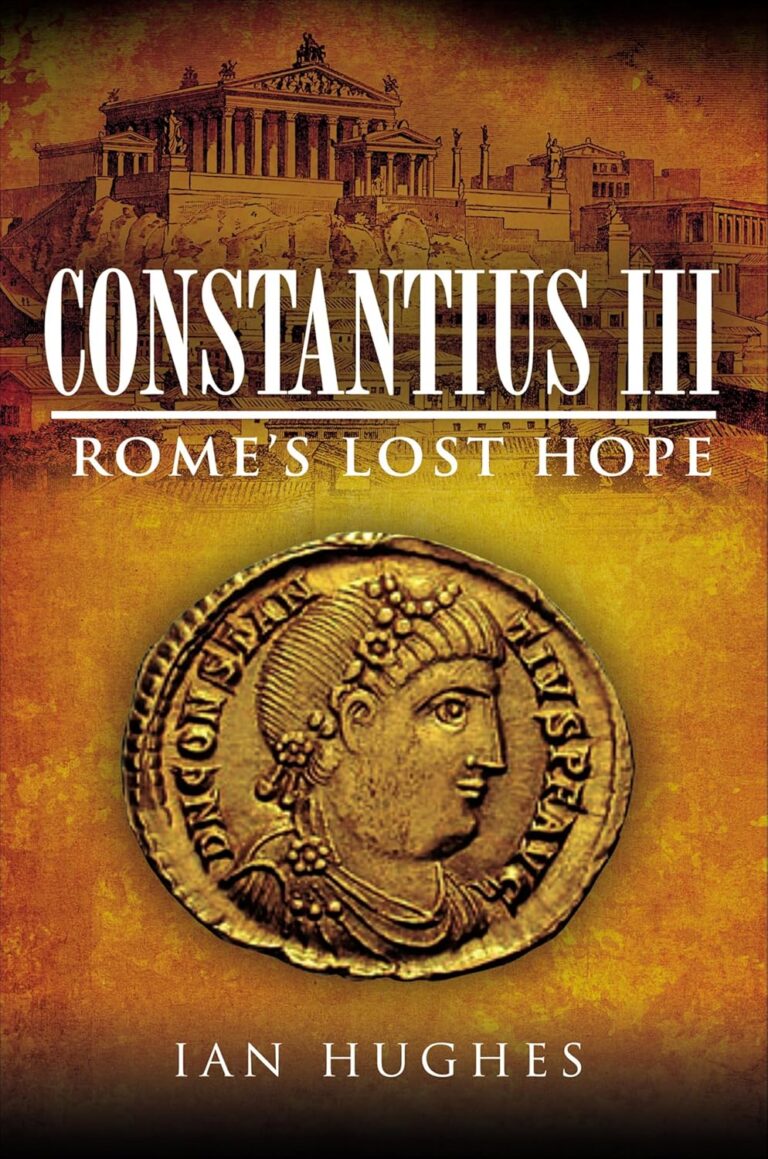
Ben Kane’s Rome places Honorius at the imperial court in 410, where his half-sister Galla Placidia has little control over decisions being made as the Western Empire approaches catastrophe. Douglas Jackson’s The Barbarian shows Stilicho’s influence with Honorius collapsing just as new Gothic threats move towards Italy. Alfred Duggan’s The Little Emperors makes the remoteness of Honorius’s government one reason British soldiers and officials begin looking for leaders who can defend the province without waiting for Ravenna. Faith L. Justice’s Twilight Empress follows Galla Placidia through the sack of Rome and her later dynastic role, keeping Honorius’s court and succession politics close to the centre of her story. Ian Hughes’ Constantius III examines the general who restored much of the western government’s position after the disasters of Honorius’s early reign.